Mostarda
In its own language: mostarda di frutta
A northern Italian condiment of candied fruit in a sharp mustard syrup
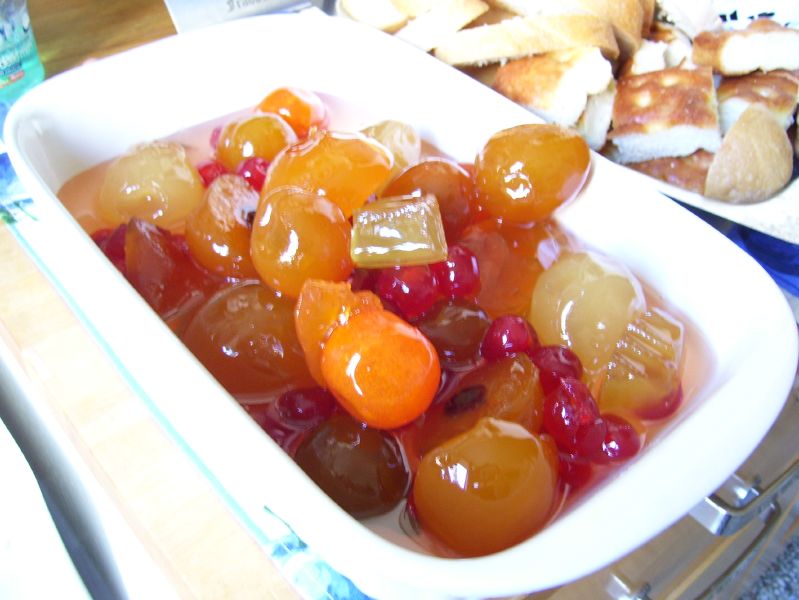
Mostarda is a sweet and pungent preserve from northern Italy. It consists of whole or halved fruits suspended in a clear, spicy syrup flavoured with mustard. The combination offers a surprising contrast between the soft sweetness of the fruit and the biting heat of the mustard.
- Candied fruit preserved in a sharp mustard syrup
- Originates from northern Italy with regional varieties
- Traditionally served with bollito misto (boiled meats)
- Now commonly paired with cheeses on boards
- Uses essential oils commercially for clear syrup
What is Mostarda?
Mostarda is a traditional condiment from northern Italy. It is made by preserving whole or halved fruits in a thick, transparent syrup. The syrup provides a sharp, peppery bite that contrasts with the sweet fruit. Commercial versions use mustard essential oil for clarity. Home cooks often heat mustard powder in white wine to create the flavour. The result is a glossy mixture where each piece of fruit carries a distinct spicy kick.
Where does Mostarda come from?
The dish originates from northern Italy. Several regional variations exist, each tied to a specific city. Mostarda di Cremona is the most famous type, typically featuring a mix of various fruits. Mostarda di Mantova uses small sour green apples known as mele campanine. Another variant, mostarda vicentina, comes from Vicenza and relies heavily on quince, giving it a jam-like texture. These local styles show how the base recipe adapts to available ingredients.
What does Mostarda taste like?
The taste profile balances intense sweetness with strong pungency. The candied fruit provides a soft, sugary mouthfeel. The mustard element delivers a sharp, nose-clearing heat. This spice does not come from chillies but from mustard compounds. In some versions, the tartness of sour apples or quince adds a bright acidity. The overall experience is complex, shifting from sweet to spicy with every bite.
How Mostarda is grown and processed
Fruits such as apricots, cherries, figs, oranges, peaches, pears, and quince are selected for preservation. Grape must may also be included in the mixture. The fruit is candied, meaning it is cooked in sugar until soft and translucent. The syrup is prepared separately using mustard elements. Commercial producers prefer essential oils for their clean appearance. Traditional methods involve heating mustard powder in wine. The fruit is then submerged in this spiced liquid to cure.
Mostarda, drawn
How Mostarda is used
Historically, mostarda was served alongside boiled meats, particularly bollito misto. This dish is a staple of northern Italian cuisine. The sharp syrup cuts through the richness of the meat. In modern times, it has become a popular accompaniment to cheeses. It is often placed on cheese boards to provide a contrasting flavour. The condiment can also stand alone as a sophisticated snack or appetizer.
Mostarda in the world's kitchens
Northern Italian cuisine claims mostarda as a key component. The region of Lombardy produces notable versions in Cremona and Mantova. Veneto contributes the quince-based mostarda vicentina. Each area adjusts the fruit selection to local harvests. The condiment bridges the gap between sweet preserves and savoury sauces, reflecting the region's preference for balanced tastes.
At a glance: where it turns up
By meal
Cuisines

Spiritual and ceremonial use
There are no specific religious rituals or spiritual ceremonies linked to mostarda. It is a secular food item enjoyed in daily life and social events. It does not hold sacred status in any major faith tradition.
Mostarda at celebrations
While not tied to specific holidays, mostarda appears at feasts and banquets. It is often served during family gatherings or special dinners. The dish complements celebratory meals involving roasted or boiled meats. It enhances the atmosphere of hospitality and shared dining.
Traditional and medicinal use
Traditional medicine does not specifically highlight mostarda for health benefits. However, mustard has been used historically for its warming properties. The fruit content provides natural sugars and vitamins. No specific safety warnings are noted in traditional contexts beyond standard food allergies.
Buying and storing Mostarda
Candied fruits in syrup have a long shelf life due to the high sugar content. Store the jar in a cool, dark place to maintain quality. Once opened, keep it refrigerated to prevent fermentation. The syrup should remain clear and viscous. Discard if signs of mould appear on the fruit surface.
What to use instead of Mostarda
No direct substitute replicates the unique sweet-heat balance. Mustard sauce lacks the fruit component. Fruit preserves lack the spicy kick. Some cooks mix hot honey with candied fruit for a similar effect. However, the authentic mustard-wine syrup remains irreplaceable in traditional recipes.
The trade in Mostarda
Mostarda is produced primarily in Italy. Regional brands from Cremona and Mantova dominate the market. Export markets value it as a specialty Italian product. Adulteration is rare due to the specific preparation methods. Geographical indications protect the names of certain regional variants, ensuring authenticity.
Meal
It is commonly associated with dinner settings, especially when served with main courses like boiled meats. It also appears at lunch or as an evening snack. Cheese boards often feature mostarda during social gatherings. The condiment fits well into festive meals or leisurely dining experiences where multiple flavours are explored.
Questions people ask about Mostarda
What is mostarda?
Mostarda is a northern Italian condiment made of candied fruits suspended in a sweet, pungent syrup flavoured with mustard. It combines the soft texture of preserved fruit with the sharp bite of mustard, creating a unique sweet-and-spicy flavour profile.
Where does mostarda come from?
It originates from northern Italy, with famous regional variations from cities like Cremona, Mantova, and Vicenza. Each area uses local fruits, such as apples in Mantova or quince in Vicenza, to create distinct textures and tastes.
How does mostarda taste?
It tastes intensely sweet from the candied fruit, balanced by a strong, sharp pungency from the mustard. The syrup is usually clear and viscous, providing a refreshing contrast to rich foods like meats or cheeses.
What is mostarda traditionally served with?
Traditionally, it accompanies bollito misto, a platter of boiled meats common in northern Italy. Today, it is also widely served with cheeses, where its spicy sweetness cuts through the fat and enhances the dairy flavour.
Good reading and sources
- Mostarda on WikipediaEncyclopedia
- More photos on Wikimedia CommonsPhotos and video
- Wikidata recordOpen data
The facts on this page come from the Wikipedia article "Mostarda", written by its contributors and used under the CC BY-SA 4.0 licence, and from its Wikidata record (CC0). EveryMasala rewrote the text in its own words, with AI assistance, and compares every page with the article to make sure no passage is copied. It may be reused under the same CC BY-SA 4.0 licence with a link back.
It may contain mistakes. Names, strengths and customs differ from one grower, kitchen or shop to the next. Traditional and medicinal uses are described as tradition, never as medical advice, and none of this is a substitute for a doctor. If something is wrong, tell us. Last refreshed 2026-10-08.
More from Italy
All the spices of Italy 🇮🇹 Italy and 5 moreMustard
A pungent paste made from ground mustard seeds mixed with liquid and spices.Paste · Sharp and pungent · Hot and fiery
🇮🇹 Italy and 5 moreMustard
A pungent paste made from ground mustard seeds mixed with liquid and spices.Paste · Sharp and pungent · Hot and fiery
 🇬🇧 United Kingdom and 4 moreRock samphire
A coastal succulent with peppery leaves and carrot-scented roots, used fresh or pickled.Leaf · Hot and fiery · Sharp and pungent
🇬🇧 United Kingdom and 4 moreRock samphire
A coastal succulent with peppery leaves and carrot-scented roots, used fresh or pickled.Leaf · Hot and fiery · Sharp and pungent
 🇮🇹 ItalyRed Sulmona GarlicAglio rosso di Sulmona
A traditional garlic cultivar from the Abruzzo region of Italy, grown on the Sulmona plateau.Bulb · Sharp and pungent · Earthy and deep
🇮🇹 ItalyRed Sulmona GarlicAglio rosso di Sulmona
A traditional garlic cultivar from the Abruzzo region of Italy, grown on the Sulmona plateau.Bulb · Sharp and pungent · Earthy and deep
 🇮🇹 Italy and 1 moreFriggitello
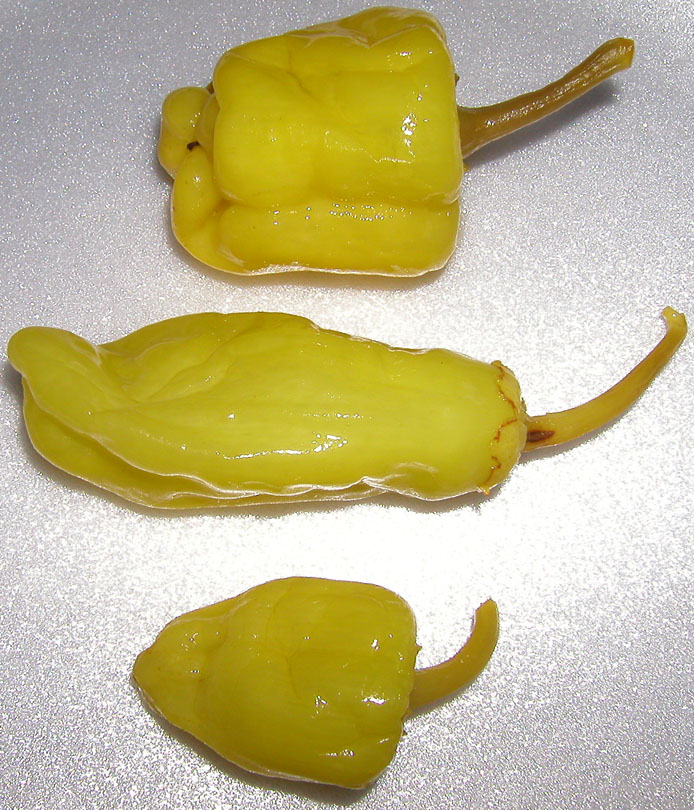
A mild sweet Italian chilli often pickled, known for its complex flavour and slight heat.Sweet and mellow · Hot and fiery
🇮🇹 Italy and 1 moreFriggitello
A mild sweet Italian chilli often pickled, known for its complex flavour and slight heat.Sweet and mellow · Hot and fiery
Its cousins elsewhere
All blend 🇯🇵 JapanGariガリ
Thinly sliced young ginger pickled in sweet vinegar, served with sushi.Sweet and mellow · Sour and tart
🇯🇵 JapanGariガリ
Thinly sliced young ginger pickled in sweet vinegar, served with sushi.Sweet and mellow · Sour and tart
 🇱🇰 Sri Lanka and 5 moreCinnamon
The dried inner bark of Cinnamomum trees, prized for its sweet warmth and essential oil.Bark · Warm and sweet-spiced · Sweet and mellow
🇱🇰 Sri Lanka and 5 moreCinnamon
The dried inner bark of Cinnamomum trees, prized for its sweet warmth and essential oil.Bark · Warm and sweet-spiced · Sweet and mellow
 🇮🇩 Indonesia and 4 moreNutmeg
The dried seed of a tropical tree, prized for its warm, pungent spice.Seed · Warm and sweet-spiced · Sweet and mellow
🇮🇩 Indonesia and 4 moreNutmeg
The dried seed of a tropical tree, prized for its warm, pungent spice.Seed · Warm and sweet-spiced · Sweet and mellow
 🇨🇳 ChinaYongfeng chili sauce永丰辣酱
A fermented paste of peppers and grains from Hunan, ChinaPaste · Hot and fiery · Sweet and mellow
🇨🇳 ChinaYongfeng chili sauce永丰辣酱
A fermented paste of peppers and grains from Hunan, ChinaPaste · Hot and fiery · Sweet and mellow