
Hilbeh
In its own language: حلبة
Trigonella foenum-graecum
A frothy Yemeni condiment made from ground fenugreek seeds and water
Hilbeh is a traditional Yemeni condiment prepared by whisking ground fenugreek seeds with water until they expand into a light, frothy paste. It is eaten daily in Yemen, either on its own or as a topping for stews like saltah and fahsa.
- Made from ground fenugreek seeds whisked with water
- Expands into a light, frothy green paste
- Staple of daily Yemeni cuisine
- Popularized in Israel by Yemenite Jews
- Served with saltah and fahsa stews
What is Hilbeh?
Hilbeh is a condiment originating from Yemen. It is made primarily from fenugreek seeds that are ground into a powder. When this powder is mixed with water and whisked vigorously, the mixture expands significantly. The process creates a texture that is light and frothy, similar to a thick foam. The base ingredient provides an earthy and slightly bitter profile typical of fenugreek. Salt and sometimes lemon juice are added to balance the taste. The resulting paste is bright green in color when fresh.
Where does Hilbeh come from?
The dish is a staple of Yemeni cuisine. It has been adopted and popularized by Yemenite Jews who migrated to Israel. In Israel, these communities introduced the condiment to other ethnic groups, helping it gain wider recognition outside of Yemen. The preparation method remains rooted in traditional Yemeni household practices.
What does Hilbeh taste like?
The taste is dominated by the natural bitterness of fenugreek seeds. The grinding and whisking process does not change the fundamental flavor profile but alters the mouthfeel. The addition of salt and citrus acid cuts through the bitterness, making it palatable as a daily accompaniment. The aroma is herbal and pungent, characteristic of fresh fenugreek.
How Hilbeh is grown and processed
The primary ingredient is fenugreek seed. The seeds are harvested from the fenugreek plant. They are then dried and ground into a fine meal. To prepare the condiment, the ground seeds are combined with water. The mixture must be whisked immediately to achieve the desired frothy consistency. It is typically prepared fresh for daily consumption rather than stored long-term.
Hilbeh, drawn
How Hilbeh is used
Hilbeh is commonly served as a side dish or dip. It is eaten directly with bread or used as a topping for hot dishes. In Yemen, it is frequently added to saltah, a layered stew, and fahsa, another traditional meat soup. A dollop of the condiment is often placed into the hot liquid just before serving to infuse flavor.
Hilbeh in the world's kitchens
The condiment is central to Yemeni home cooking. It is also a significant part of Yemenite Jewish culinary tradition in Israel. The dish bridges the gap between traditional Yemeni flavors and the diaspora experience in Israel, where it has become known to broader populations.
At a glance: where it turns up
Cuisines
Celebrations

Spiritual and ceremonial use
There is no specific religious ritual associated with hilbeh in the provided sources. It is a secular food item consumed for daily sustenance and flavor enhancement in both Yemen and Israel.
Hilbeh at celebrations
Hilbeh is not linked to specific festivals, weddings, or holidays. It is a everyday food item, integrated into the routine diet of families in Yemen and among Yemenite Jewish communities.
Traditional and medicinal use
Traditional use involves daily preparation and consumption. The practice of adding it to hot soups is a customary way to serve it, ensuring the flavor melds with the broth.
Buying and storing Hilbeh
The condiment is best consumed fresh. It is prepared in batches but a dollop is taken out for immediate use.
What to use instead of Hilbeh
No direct substitutes are mentioned. However, the distinct frothy texture achieved by whisking ground fenugreek seeds is unique to this preparation method.
The trade in Hilbeh
The spice trade context is limited to the movement of the dish via migration. Yemenite Jews brought the tradition to Israel, where it spread to other ethnic groups.
Meal
It is consumed almost every day in Yemen. It serves as a regular part of daily meals rather than being reserved for special occasions. It can be eaten on its own or paired with main courses like stews and soups during lunch or dinner.
Questions people ask about Hilbeh
What is hilbeh?
Hilbeh is a Yemeni condiment made by whisking ground fenugreek seeds with water until they form a light, frothy, and expanded paste. It is typically seasoned with salt and lemon juice.
Where does hilbeh come from?
It originates from Yemen, where it is a daily staple. It was later introduced to Israel by Yemenite Jews, who helped popularize it among other ethnic groups there.
How is hilbeh eaten?
It is often eaten on its own with bread or added as a dollop to hot soups and stews like saltah and fahsa to enhance their flavor.
What does hilbeh taste like?
It has a distinct bitter and earthy flavor due to the fenugreek seeds. The bitterness is balanced by salt and citrus acid added during preparation.
Good reading and sources
The facts on this page come from the Wikipedia article "Hulbah", written by its contributors and used under the CC BY-SA 4.0 licence, and from its Wikidata record (CC0). EveryMasala rewrote the text in its own words, with AI assistance, and compares every page with the article to make sure no passage is copied. It may be reused under the same CC BY-SA 4.0 licence with a link back.
It may contain mistakes. Names, strengths and customs differ from one grower, kitchen or shop to the next. Traditional and medicinal uses are described as tradition, never as medical advice, and none of this is a substitute for a doctor. If something is wrong, tell us. Last refreshed 2026-10-04.
More from Yemen
All the spices of Yemen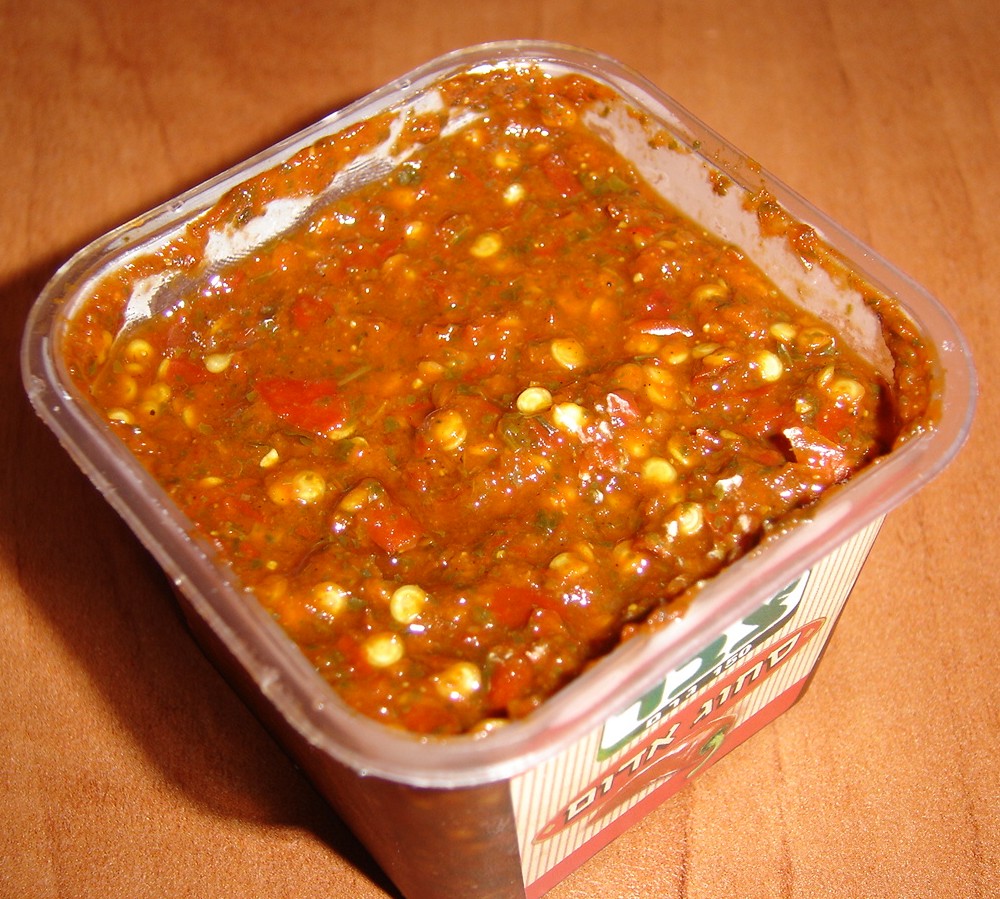 🇾🇪 Yemen and 1 moreZhugسحوق
A Yemeni hot sauce of crushed chilies, garlic, and corianderHot and fiery · Sharp and pungent
🇾🇪 Yemen and 1 moreZhugسحوق
A Yemeni hot sauce of crushed chilies, garlic, and corianderHot and fiery · Sharp and pungent
 🇾🇪 Yemen and 1 moreHawaijحوايج
A ground Yemeni spice blend used for soups, coffee, and everyday cooking.Warm and sweet-spiced · Earthy and deep
🇾🇪 Yemen and 1 moreHawaijحوايج
A ground Yemeni spice blend used for soups, coffee, and everyday cooking.Warm and sweet-spiced · Earthy and deep
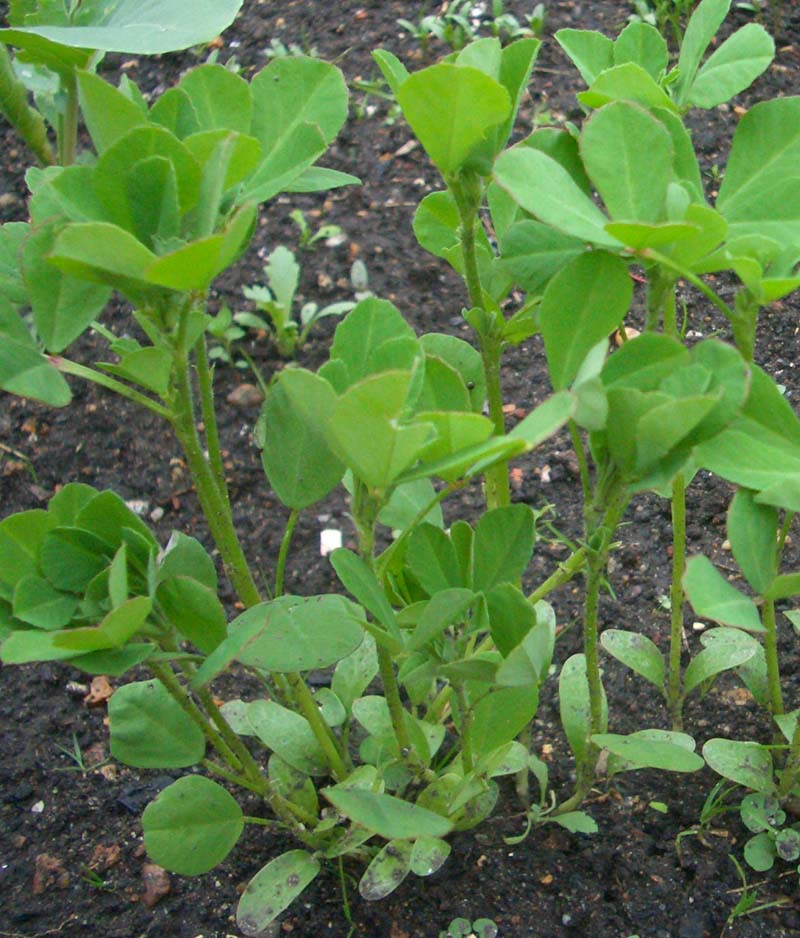 🇮🇳 India and 5 moreFenugreekحلبة (hilba)
The cuboid seed of an annual legume, prized for its bitter warmth and maple aroma.Seed · Bitter · Warm and sweet-spiced
🇮🇳 India and 5 moreFenugreekحلبة (hilba)
The cuboid seed of an annual legume, prized for its bitter warmth and maple aroma.Seed · Bitter · Warm and sweet-spiced
Its cousins elsewhere
All paste 🇮🇷 Iran and 4 moreSaffronزعفران
The dried crimson stigmas of the autumn-blooming saffron crocus.Stigma · Sharp and pungent · Bitter
🇮🇷 Iran and 4 moreSaffronزعفران
The dried crimson stigmas of the autumn-blooming saffron crocus.Stigma · Sharp and pungent · Bitter
 🇮🇩 Indonesia and 3 moreTemulawak
The rhizome of a Javanese ginger relative, used for its earthy flavour and traditional wellness drinks.Root · Earthy and deep · Bitter
🇮🇩 Indonesia and 3 moreTemulawak
The rhizome of a Javanese ginger relative, used for its earthy flavour and traditional wellness drinks.Root · Earthy and deep · Bitter
 🇮🇳 IndiaLakadong turmericShynrai Lakadong (Khasi), Chyrmit Lakadong (Pnar)
A high-curcumin turmeric variety grown organically in the Jaintia Hills of Meghalaya, India.Earthy and deep · Bitter
🇮🇳 IndiaLakadong turmericShynrai Lakadong (Khasi), Chyrmit Lakadong (Pnar)
A high-curcumin turmeric variety grown organically in the Jaintia Hills of Meghalaya, India.Earthy and deep · Bitter
 🇮🇳 IndiaErode TurmericErodu Manjal
A Geographical Indication turmeric from Tamil Nadu with high curcumin content.Root · Earthy and deep · Bitter
🇮🇳 IndiaErode TurmericErodu Manjal
A Geographical Indication turmeric from Tamil Nadu with high curcumin content.Root · Earthy and deep · Bitter