
Hawaij
In its own language: حوايج
A ground Yemeni spice blend used for soups, coffee, and everyday cooking.
Hawaij is a class of ground spice mixtures from Yemen that flavours both savoury dishes and hot drinks. The soup blend offers earthy and warm notes, while the coffee version leans toward sweet anise and ginger. Yemenite Jewish communities in Israel have helped spread its use beyond the Arabian Peninsula.
- Hawaij means "necessities" in Arabic.
- Two main types exist: soup and coffee blends.
- Yemenite Jewish communities popularized it in Israel.
- Aden produces a version with extra coriander.
- Used as a dry rub for grilled meats.
What is Hawaij?
Hawaij refers to a group of ground spice blends originating in Yemen. The Arabic word translates to "necessities," reflecting its role in daily cooking. Cooks prepare two distinct versions: one for food and another for beverages. The powder combines seeds, roots, and barks into a fine mix. It seasons broths, rice, and coffee with a balance of earthy and sweet aromatics.
Where does Hawaij come from?
This seasoning emerged in Yemen, where it became a pantry staple. Yemenite Jewish communities brought the blend to Israel, where it gained wider popularity. Today, hawaij appears in Israeli kitchens alongside traditional Yemeni recipes. The mix reflects the historic spice routes of the Arabian Peninsula and local agricultural practices.
What does Hawaij taste like?
The soup blend tastes earthy and sharp, driven by cumin and black pepper. Turmeric contributes a mild bitterness and bright yellow hue. Cardamom adds a floral sweetness that rounds out the heat. The coffee mix shifts toward licorice notes from aniseed and fennel. Ginger provides a warming kick, while cinnamon and cloves deepen the profile in some regional recipes.
How Hawaij is grown and processed
Farmers cultivate the component plants across Yemen and surrounding regions. Seeds like cumin and coriander are harvested, dried, and winnowed. Rhizomes such as ginger and turmeric are dug up and cured to remove moisture. Artisans then grind these ingredients separately before blending them. Ratios vary by city, with Aden favouring extra coriander or cinnamon.
Hawaij, drawn
How Hawaij is used
Cooks stir the soup mix into stews, rice dishes, and vegetable preparations. It doubles as a dry rub for grilled meats and barbecue. The coffee blend goes directly into brewing pots for hot drinks. Bakers also incorporate it into cakes and slow-cooked meat dishes. In Aden, families adjust the recipe by omitting ginger when preparing tea instead of coffee.
Hawaij in the world's kitchens
Yemeni cooks rely on hawaij for everyday meals and hospitality. Yemenite Jewish communities in Israel maintain the tradition while adapting it to local tastes. The blend has entered broader Israeli cuisine through these communities. Regional variations exist within Yemen, such as the Adeni style that swaps ingredients for tea or coffee preparation.
At a glance: where it turns up

Spiritual and ceremonial use
It functions as a culinary staple rather than a sacred item. Households keep it in their pantries for daily use without ceremonial restrictions.
Hawaij at celebrations
No specific festivals, weddings, or harvest days are linked to hawaij in the provided material. It remains a general-purpose seasoning for ordinary meals and gatherings.
Traditional and medicinal use
It is valued for flavour and comfort in home cooking. Cooks use it to enhance broths and drinks without prescribed doses or medicinal claims.
Buying and storing Hawaij
Store the ground powder in an airtight container away from light and heat. Whole spices retain freshness longer than pre-mixed blends. Grind small batches as needed to preserve the volatile oils. Discard if the aroma fades or the colour turns dull.
What to use instead of Hawaij
If you lack the full blend, combine cumin, black pepper, and cardamom for the soup version. Add turmeric for colour and depth. For coffee, mix aniseed, fennel, and ginger to mimic the sweet profile. Adjust quantities to suit your palate, though the result will differ slightly from the authentic mix.
The trade in Hawaij
Yemen exports these spices through historic ports like Aden, which serves as a trading hub. The blend travels along ancient routes connecting the Arabian Peninsula to global markets. In Israel, Tel Aviv markets sell hawaij to diverse customers. Merchants package the mix for retail sale, maintaining the traditional ratios known to local cooks.
Meal
Families serve soup blends during lunch and dinner for hearty meals. The coffee mix accompanies morning brews and afternoon tea sessions. Sweet cakes and desserts sometimes feature the coffee spices for added warmth. Street vendors may offer spiced broths using this seasoning as a quick snack. Breakfast tables often include the drink blend with fresh coffee.
Questions people ask about Hawaij
What is hawaij?
Hawaij is a Yemeni ground spice blend used for soups and coffee. It combines seeds, roots, and barks like cumin, pepper, and cardamom. The name means "necessities" in Arabic, showing its role in daily cooking.
Where does hawaij come from?
It originates in Yemen, where it is a kitchen staple. Yemenite Jewish communities brought it to Israel, where it spread into Israeli cuisine. Cities like Aden have their own regional variations of the mix.
How does hawaij taste?
The soup blend tastes earthy and sharp with warm cardamom notes. The coffee mix features sweet anise and ginger. Turmeric adds a mild bitterness and yellow colour to the powder.
How is hawaij used in cooking?
Cooks stir the soup version into stews, rice, and vegetables. It works as a barbecue rub for meats. The coffee blend flavours hot drinks, cakes, and slow-cooked dishes.
Can I make hawaij at home?
Yes, mix cumin, black pepper, cardamom, and turmeric for the soup type. For coffee, combine aniseed, fennel, ginger, and cardamom. Adjust ratios to match your taste preferences.
Good reading and sources
The facts on this page come from the Wikipedia article "Hawaij", written by its contributors and used under the CC BY-SA 4.0 licence, and from its Wikidata record (CC0). EveryMasala rewrote the text in its own words, with AI assistance, and compares every page with the article to make sure no passage is copied. It may be reused under the same CC BY-SA 4.0 licence with a link back.
It may contain mistakes. Names, strengths and customs differ from one grower, kitchen or shop to the next. Traditional and medicinal uses are described as tradition, never as medical advice, and none of this is a substitute for a doctor. If something is wrong, tell us. Last refreshed 2026-10-04.
More from Yemen
All the spices of Yemen 🇾🇪 Yemen and 1 moreHilbehحلبة
A frothy Yemeni condiment made from ground fenugreek seeds and waterPaste · Bitter · Earthy and deep
🇾🇪 Yemen and 1 moreHilbehحلبة
A frothy Yemeni condiment made from ground fenugreek seeds and waterPaste · Bitter · Earthy and deep
 🇾🇪 Yemen and 1 moreZhugسحوق
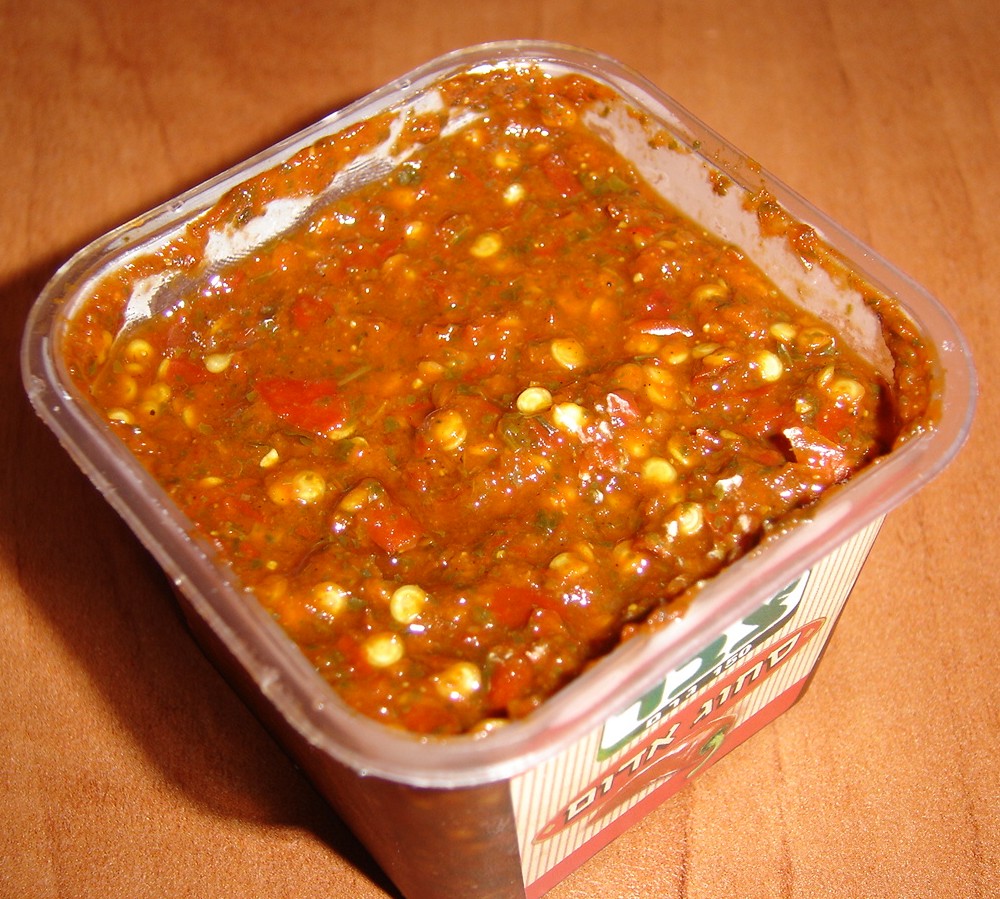
A Yemeni hot sauce of crushed chilies, garlic, and corianderHot and fiery · Sharp and pungent
🇾🇪 Yemen and 1 moreZhugسحوق
A Yemeni hot sauce of crushed chilies, garlic, and corianderHot and fiery · Sharp and pungent
 🇮🇳 India and 5 moreFenugreekحلبة (hilba)
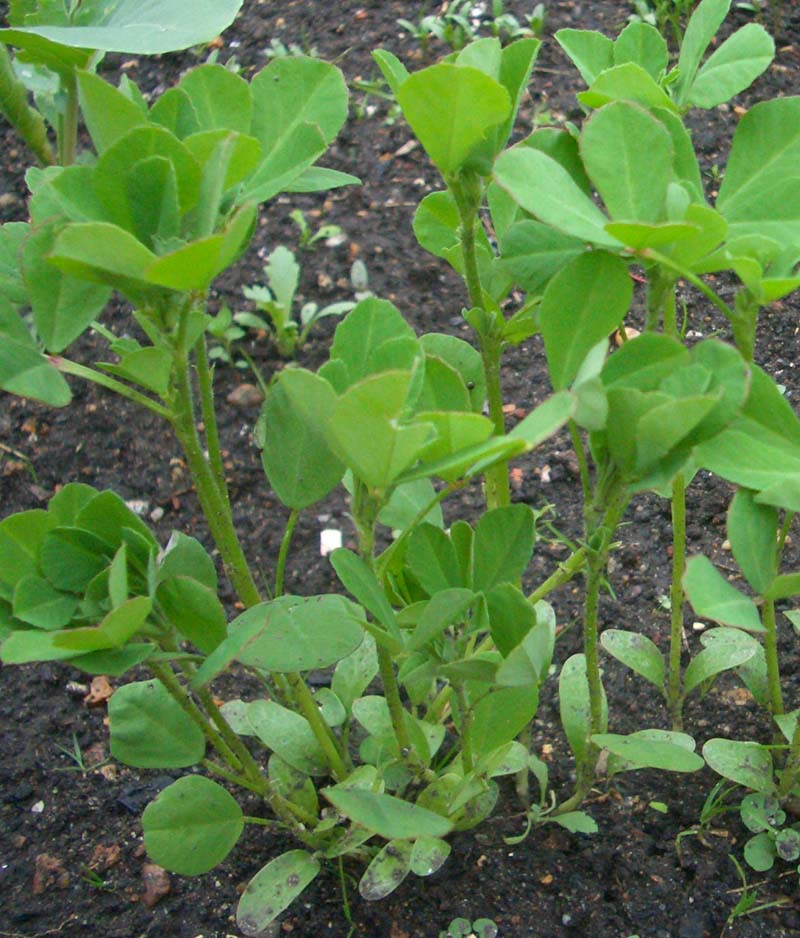
The cuboid seed of an annual legume, prized for its bitter warmth and maple aroma.Seed · Bitter · Warm and sweet-spiced
🇮🇳 India and 5 moreFenugreekحلبة (hilba)
The cuboid seed of an annual legume, prized for its bitter warmth and maple aroma.Seed · Bitter · Warm and sweet-spiced
Its cousins elsewhere
 🇮🇳 India and 4 moreCurry paste
A blended mixture of spices and aromatics used as the base for curries in Asia.Warm and sweet-spiced · Earthy and deep
🇮🇳 India and 4 moreCurry paste
A blended mixture of spices and aromatics used as the base for curries in Asia.Warm and sweet-spiced · Earthy and deep
 🇮🇳 India and 3 moreGaram masalaगरम मसाला
A ground blend of warm spices from the Indian subcontinent used to finish curries and stews.Blend · Warm and sweet-spiced · Sharp and pungent
🇮🇳 India and 3 moreGaram masalaगरम मसाला
A ground blend of warm spices from the Indian subcontinent used to finish curries and stews.Blend · Warm and sweet-spiced · Sharp and pungent
 🇮🇳 India and 4 moreCurry powder
A Western adaptation of Indian spice blends for cooking sauces and stews.Blend · Warm and sweet-spiced · Earthy and deep
🇮🇳 India and 4 moreCurry powder
A Western adaptation of Indian spice blends for cooking sauces and stews.Blend · Warm and sweet-spiced · Earthy and deep