
Juniper berry
Juniperus communis
The fleshy seed cone of the juniper tree, a piney spice for game and gin.
A fleshy seed cone from several juniper species, most notably Juniperus communis. It is a staple in northern European cooking for game meats and the defining flavour of gin.
- Not a true berry but a fleshy seed cone called a galbulus.
- Defines the flavour of gin and Nordic game meat dishes.
- Romans used it as a cheap substitute for expensive black pepper.
- Contains essential oils that fade quickly after harvesting.
- Can be toxic in large amounts or for pregnant women.
What is Juniper berry?
This spice is the female seed cone of the juniper tree. Botanists call it a galbulus because the scales stay soft and merge into a single covering around the seeds. The cones measure between four and twelve millimetres across. They start green and turn purple-black after eighteen months. The taste shifts as they age. Young berries carry a strong pine scent. Mature ones add citrus and fresh notes to dishes. The outer skin has little flavour, so cooks crush them before use.
Where does Juniper berry come from?
Ancient Egyptian tombs contain these cones, though the trees do not grow there. The berries likely arrived from Greece. Greek writers recorded using them for medicine long before food. Romans used them as a cheap substitute for black pepper from India. Pliny the Elder noted that merchants mixed them with pepper to copy its sharp bite. He also wrongly claimed black pepper grew on trees like junipers.
What does Juniper berry taste like?
The taste comes from essential oils and terpenes like pinene and limonene. These compounds create a sharp, clear aroma. The scent is described as balsamic and woody. Pinene dominates the young green fruit. As the berry matures, citrus and green-fresh notes appear alongside the piney base. The inner seeds hold the strongest flavour. The outer scales are relatively mild. This profile makes it distinct from other common spices.
How Juniper berry is grown and processed
These cones grow on various juniper species. Maturation takes up to eighteen months in most types. Some species take over two years to ripen. The cones change colour from green to dark purple as they mature. Harvesters collect both fresh and dried cones. The flavour peaks immediately after picking. Drying and storage cause the aroma to fade quickly. Growers prefer specific species for culinary use due to bitterness levels.
Juniper berry, drawn
How Juniper berry is used
Northern European kitchens use this spice heavily. It seasons wild birds, boar, and venison. It also flavours pork, cabbage, and sauerkraut. Alsatian chefs include it in choucroute garnie. German cooks use it in sauerbraten roasts. Italian regions like South Tyrol and Apulia add it to brines. In the Netherlands, it defines the spirit gin. Finnish brewers make sahti beer with juniper branches and cones. Native Americans used sweeter local varieties as food and beads.
Juniper berry in the world's kitchens
Nordic countries lead in its culinary use. Sweden, Denmark, and Estonia season game and pickled foods with it. Germany and Austria add it to roasted meats and sour cabbage. Italy uses it in the north near the Alps and in the south for brines. Native American tribes in North America used sweeter cones as a nutritious food source. Ancient Greeks and Romans valued it for medicine and as a pepper alternative.
At a glance: where it turns up


Spiritual and ceremonial use
No major religious rituals centre on this spice. Ancient Egyptians placed cones in tombs, possibly for preservation or offerings. Greek athletes consumed them to boost stamina during competitions. These uses were practical or medicinal rather than strictly spiritual. Modern aromatherapy uses extracted oils for massage and diffusion. The terpenic scent is believed to be calming, but this is not a formal religious practice.
Juniper berry at celebrations
Christmas marks a key occasion for this spice in Sweden. The soft drink julmust becomes popular during the holiday season. Nordic festivals often feature game meats seasoned with juniper. Winter feasts rely on preserved foods like sauerkraut, which pair well with the spice. Weddings and births do not have specific traditions tied to it. It remains a winter and harvest-associated flavour in northern regions.
Traditional and medicinal use
Traditional medicine systems used these cones for various ailments. Blackfoot people drank tea to stop vomiting. Crow women consumed tea after childbirth for healing. Ancient Greeks used them for physical endurance. However, large amounts can harm kidney function or cause convulsions. Pregnant women should avoid them due to miscarriage risks. Some species are toxic. Always treat traditional uses as historical practices, not medical advice.
Buying and storing Juniper berry
Flavour declines rapidly after harvest. Fresh cones work best immediately. Dried cones lose their potency over time. Store them in airtight containers away from light. Check for dull colour or weak smell when buying. Old jars may lack the sharp piney bite. Keep them separate from sweet spices to prevent cross-contamination of aromas.
The trade in Juniper berry
The spice trade moved these cones across Europe. Romans imported them from Greece to replace Indian pepper. Dutch distillers popularized gin in the seventeenth century. Today, Nordic countries remain primary users. Adulteration with cheaper cones was common in ancient markets. Modern trade focuses on culinary and aromatic oil extraction. Certification ensures purity for gin production and herbal supplements.
Meal
Dinner features this spice most often. It accompanies heavy meat dishes and preserved vegetables. Drink recipes rely on it for gin and sahti beer. A Swedish soft drink called julmust uses the cones during Christmas. The spice does not typically appear at breakfast or lunch. It belongs to hearty meals and festive beverages rather than light snacks or desserts.
Days Juniper berry is used for
Questions people ask about Juniper berry
What is a juniper berry?
It is the fleshy seed cone of the juniper tree. Botanists call it a galbulus. The scales merge to surround the seeds. It looks like a berry but is actually a cone. Common species include Juniperus communis.
Where does juniper come from?
It grows on juniper trees found across the Northern Hemisphere. Ancient Greeks and Romans used it extensively. Nordic countries use it heavily today. It is also key to Dutch gin production. Native Americans used local varieties as food.
How does juniper taste?
It tastes sharp, piney, and citrusy. Young berries are very resinous. Mature ones add fresh green notes. The outer skin is mild. Crush the cones to release the essential oils inside. The flavour fades if stored too long.
What dishes use juniper berries?
They season wild birds, venison, and pork. They flavour sauerkraut and cabbage dishes. Alsatian choucroute garnie always includes them. Gin relies on them for its main taste. Finnish sahti beer also uses the cones.
Is juniper safe to eat?
Moderate culinary use is generally safe. Large amounts can harm kidneys or cause convulsions. Pregnant women should avoid it due to miscarriage risks. Some species are toxic. Traditional medicine uses it for vomiting, but consult a doctor first.
Good reading and sources
- Juniper berry on WikipediaEncyclopedia
- More photos on Wikimedia CommonsPhotos and video
- Wikidata recordOpen data
The facts on this page come from the Wikipedia article "Juniper berry", written by its contributors and used under the CC BY-SA 4.0 licence, and from its Wikidata record (CC0). EveryMasala rewrote the text in its own words, with AI assistance, and compares every page with the article to make sure no passage is copied. It may be reused under the same CC BY-SA 4.0 licence with a link back.
It may contain mistakes. Names, strengths and customs differ from one grower, kitchen or shop to the next. Traditional and medicinal uses are described as tradition, never as medical advice, and none of this is a substitute for a doctor. If something is wrong, tell us. Last refreshed 2026-10-04.

Its cousins elsewhere
 🇮🇳 India and 4 moreCurry paste
A blended mixture of spices and aromatics used as the base for curries in Asia.Warm and sweet-spiced · Earthy and deep
🇮🇳 India and 4 moreCurry paste
A blended mixture of spices and aromatics used as the base for curries in Asia.Warm and sweet-spiced · Earthy and deep
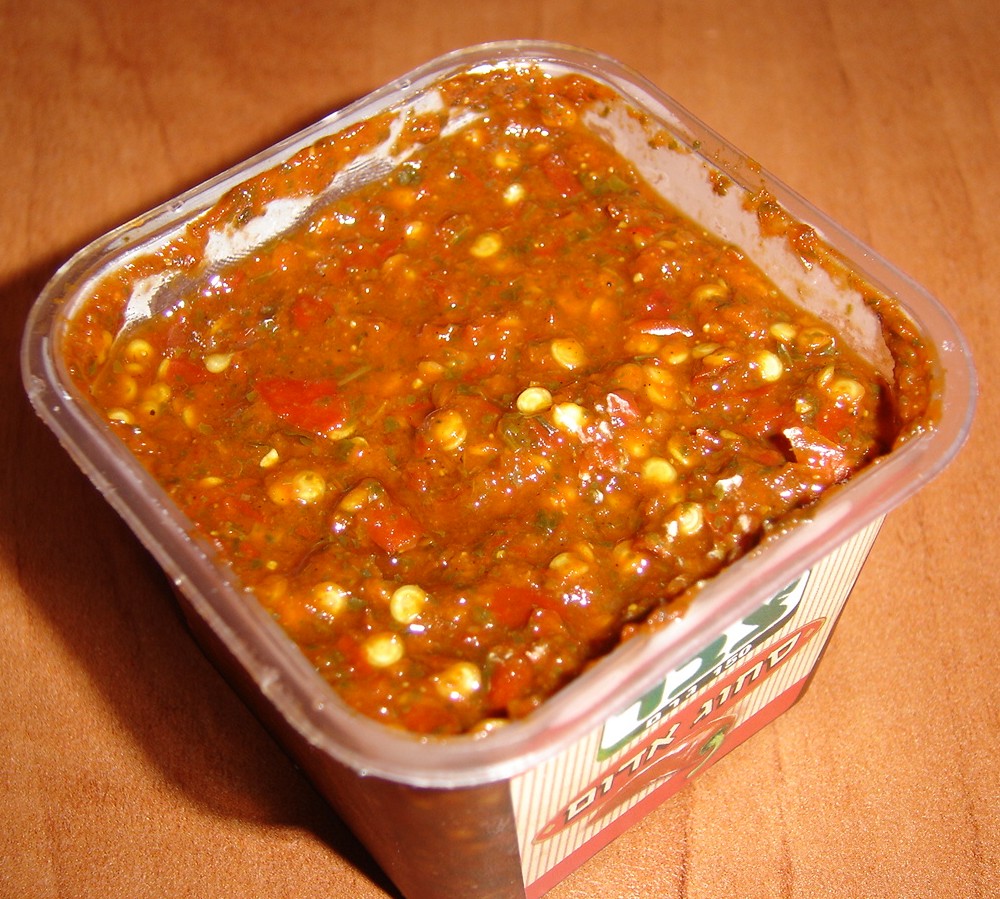 🇾🇪 Yemen and 1 moreZhugسحوق
A Yemeni hot sauce of crushed chilies, garlic, and corianderHot and fiery · Sharp and pungent
🇾🇪 Yemen and 1 moreZhugسحوق
A Yemeni hot sauce of crushed chilies, garlic, and corianderHot and fiery · Sharp and pungent
 🇨🇳 China and 4 moreFingerrootกระชาย
The finger-shaped rhizome of a tropical ginger relative, used fresh or pickled in Southeast Asian cooking.Sharp and pungent · Citrus and bright
🇨🇳 China and 4 moreFingerrootกระชาย
The finger-shaped rhizome of a tropical ginger relative, used fresh or pickled in Southeast Asian cooking.Sharp and pungent · Citrus and bright
 🇯🇵 JapanShichimi七味唐辛子
A Japanese seven-ingredient spice blend for finishing soups and noodlesBlend · Hot and fiery · Citrus and bright
🇯🇵 JapanShichimi七味唐辛子
A Japanese seven-ingredient spice blend for finishing soups and noodlesBlend · Hot and fiery · Citrus and bright