
Kōrēgusu
In its own language: コーレーグス
A Ryukyuan chili sauce made by soaking hot peppers in Awamori rice spirit.
Kōrēgusu is a spicy condiment from Okinawa, Japan. It consists of chili peppers soaked in Awamori rice liquor. The sauce adds heat and flavor to local dishes like soba noodles and stir-fries.
- Kōrēgusu is a chili sauce infused in Awamori rice spirit.
- It originated in the Ryukyu Islands of Japan.
- Peppers are soaked for at least ten days.
- It is a common condiment for Okinawa soba.
- Commercial versions may contain vinegar or citric acid.
What is Kōrēgusu?
Kōrēgusu is a hot chili sauce originating from the Ryukyu Islands of Japan. It is prepared by infusing fresh chili peppers in Awamori, a traditional distilled rice spirit. The resulting liquid is a vibrant red condiment that serves as a primary source of spice in local cuisine. While the term originally referred to the pepper itself, it now denotes this specific alcoholic sauce. Variations may include vinegar or soy sauce instead of alcohol, and some versions incorporate garlic paste for added depth.
Where does Kōrēgusu come from?
The chili peppers used in Kōrēgusu were introduced to the region by the Satsuma domain during the 18th century. Historical records suggest the name derives from 'Goryeo pepper,' a term used for frutescens varieties since at least the 16th century. Some theories propose that returning migrants from Hawaii influenced its development, though the exact origins remain uncertain. In Japanese, the peppers are often called shima tōgarashi, distinguishing them from the sauce.
What does Kōrēgusu taste like?
The sauce delivers a sharp, pungent heat derived directly from the chili peppers. Because it is infused in alcohol, the heat is immediate and penetrating. The Awamori base adds a distinct spirit-like aroma that complements the capsaicin burn. Small amounts significantly alter a dish's profile due to the low viscosity and high potency of the liquid. Commercial versions may include citric acid or vinegar, adding a slight sour edge to the heat.
How Kōrēgusu is grown and processed
Chili peppers are washed and then submerged in Awamori for a minimum of ten days. This infusion process allows the flavors to meld thoroughly. The mixture can be kept for extended periods, though the liquid may eventually turn cloudy, indicating it should be discarded. Homemade batches are common, but commercial products also exist. Some regional variations involve crushing the peppers into a paste or mixing them with garlic before soaking.
Kōrēgusu, drawn
How Kōrēgusu is used
Kōrēgusu is a staple tabletop condiment in the Ryukyu Islands. It is commonly drizzled over Okinawa soba noodles, chanpurū stir-fries, and irichii (vegetable soup). It also enhances sashimi and miso soup. Due to its intense heat and alcohol content, it is used sparingly. A few drops can dramatically change the taste of a meal. Cooks must exercise caution to avoid overpowering the other ingredients in the dish.
Kōrēgusu in the world's kitchens
Okinawan and broader Ryukyuan cuisines rely heavily on Kōrēgusu for heat. Unlike mainland Japanese cooking, which often uses wasabi or milder spices, Okinawan food embraces this potent chili infusion. The sauce reflects the unique agricultural history of the islands, blending imported peppers with local rice spirits. Regional differences exist, with some areas preferring garlic-infused pastes or vinegar-based alternatives over the traditional alcoholic version.
At a glance: where it turns up

Spiritual and ceremonial use
There are no specific religious rituals or spiritual ceremonies associated with Kōrēgusu. It is a secular condiment used in everyday cooking rather than in offerings or sacred rites. The ingredients, chilies and rice spirit, have no documented mystical significance in Ryukyuan traditions. Its presence is purely culinary, enhancing the flavor of communal meals without ceremonial context.
Kōrēgusu at celebrations
Kōrēgusu is not tied to specific festivals, weddings, or harvest celebrations. It is a daily staple found on tables year-round. While it appears at gatherings where local food is served, it does not mark special occasions like new years or births. Its use is consistent and practical, serving as a regular flavor enhancer rather than a celebratory specialty.
Traditional and medicinal use
Traditional use involves adding the sauce to soups and stir-fries for heat. The alcohol content helps preserve the peppers, making it a practical storage method. Consumers are advised to discard the sauce if it becomes cloudy, indicating spoilage. Safety notes focus on proper storage and moderation due to the high spice level.
Buying and storing Kōrēgusu
The sauce has a long shelf life due to the preservative qualities of the Awamori. However, it should be stored in a cool place. If the liquid turns cloudy over time, it is best to discard it. Commercial versions may last longer due to added acids. Homemade batches require careful monitoring for signs of spoilage. Keep containers tightly sealed to maintain freshness.
What to use instead of Kōrēgusu
In regions outside Okinawa, other chili sauces or simple chili oil might be used as substitutes. Vinegar-based chili condiments can mimic the tangy heat if Awamori is unavailable. Soy sauce mixed with crushed chilies offers a similar salty-spicy profile. However, none replicate the exact combination of rice spirit infusion and local pepper variety found in authentic Kōrēgusu.
The trade in Kōrēgusu
The trade of Kōrēgusu is largely local to the Ryukyu Islands. Historically, the Satsuma domain played a role in introducing the peppers. Today, it is produced both commercially and domestically. There is no significant international export trade mentioned. The sauce remains a regional specialty, reflecting the unique cultural and agricultural heritage of Okinawa.
Meal
This sauce is versatile and fits into daily meals across Okinawa. It accompanies lunch and dinner dishes, particularly noodle soups and vegetable medleys. Street food vendors often offer it as a finishing touch for fast local eats. It is not typically associated with breakfast or desserts. Its role is primarily savory, providing a spicy kick to main courses rather than standalone consumption.
Questions people ask about Kōrēgusu
What is Kōrēgusu?
Kōrēgusu is a spicy condiment from Okinawa, Japan. It is made by soaking hot chili peppers in Awamori, a traditional rice spirit. The result is a potent, red sauce used to add heat to various local dishes.
How is Kōrēgusu made?
Fresh chili peppers are washed and submerged in Awamori for at least ten days. Some recipes use vinegar or soy sauce instead of alcohol. Garlic may be added in certain regional variations to create a thicker paste.
What does Kōrēgusu taste like?
It tastes intensely hot and pungent due to the chili peppers. The Awamori base adds a sharp, alcoholic aroma. Small amounts significantly enhance the flavor of dishes like soba noodles and stir-fries.
Where does Kōrēgusu come from?
It comes from the Ryukyu Islands, specifically Okinawa, Japan. The peppers were likely introduced by the Satsuma domain in the 18th century. The name reflects historical trade connections with Korea.
How is Kōrēgusu used in cooking?
It is used as a table condiment for Okinawa soba, chanpurū, and miso soup. A few drops are enough to add heat. It is not used in large quantities due to its strong potency and alcohol content.
Good reading and sources
- Kōrēgusu on WikipediaEncyclopedia
- More photos on Wikimedia CommonsPhotos and video
- Wikidata recordOpen data
The facts on this page come from the Wikipedia article "Kōrēgusu", written by its contributors and used under the CC BY-SA 4.0 licence, and from its Wikidata record (CC0). EveryMasala rewrote the text in its own words, with AI assistance, and compares every page with the article to make sure no passage is copied. It may be reused under the same CC BY-SA 4.0 licence with a link back.
It may contain mistakes. Names, strengths and customs differ from one grower, kitchen or shop to the next. Traditional and medicinal uses are described as tradition, never as medical advice, and none of this is a substitute for a doctor. If something is wrong, tell us. Last refreshed 2026-10-04.
More from Japan
All the spices of Japan 🇯🇵 Japan and 1 moreShishito pepper獅子唐辛子 (Shishitōgarashi)
A slender East Asian chili that is mostly mild with occasional spicy surprises.Sweet and mellow · Hot and fiery
🇯🇵 Japan and 1 moreShishito pepper獅子唐辛子 (Shishitōgarashi)
A slender East Asian chili that is mostly mild with occasional spicy surprises.Sweet and mellow · Hot and fiery
 🇯🇵 JapanKarashiからし
A potent Japanese mustard made from brown mustard seeds, served as a sharp condiment.Seed · Hot and fiery · Sharp and pungent
🇯🇵 JapanKarashiからし
A potent Japanese mustard made from brown mustard seeds, served as a sharp condiment.Seed · Hot and fiery · Sharp and pungent
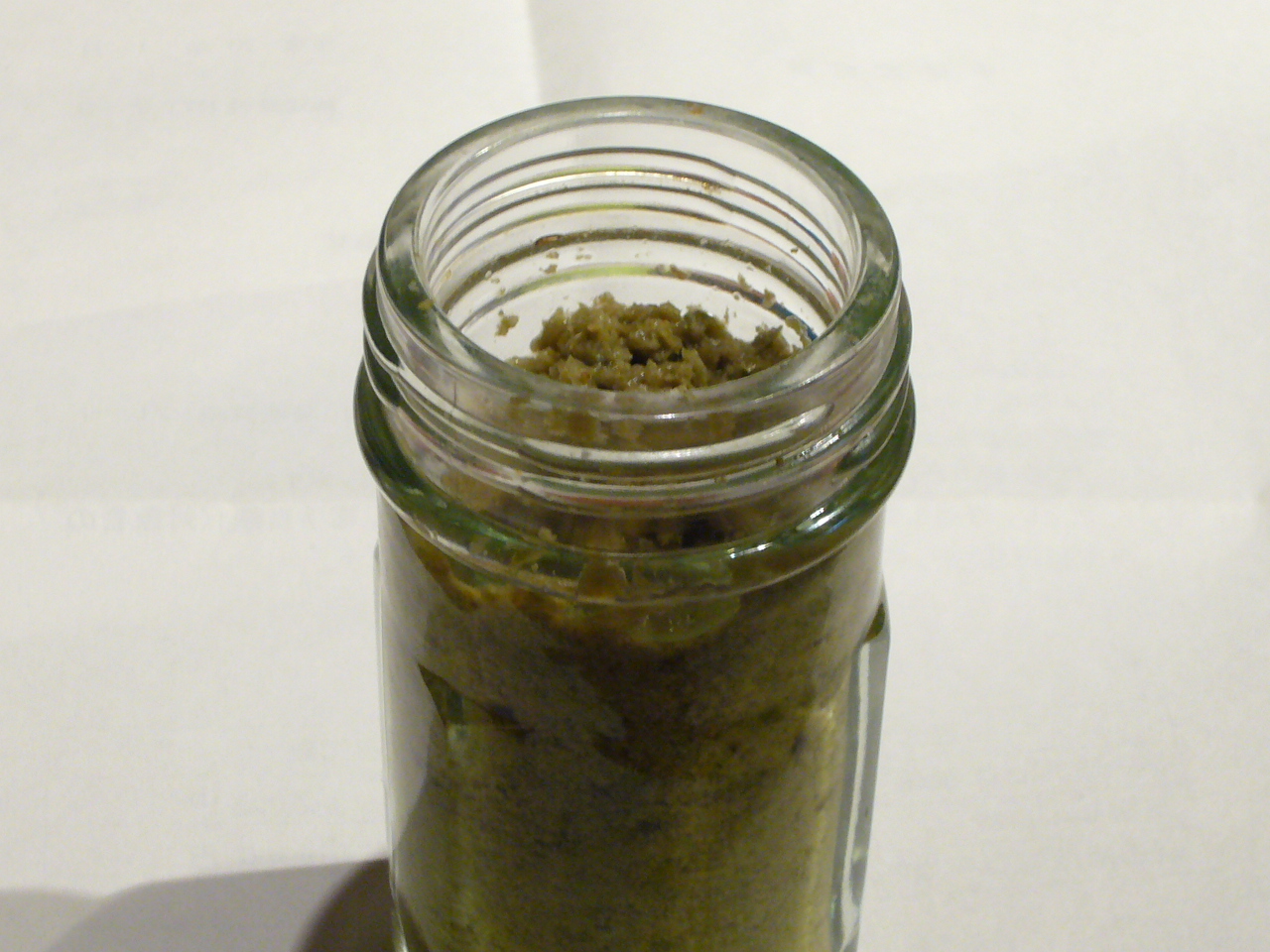 🇯🇵 JapanYuzu koshō柚子胡椒
A fermented Japanese paste of chili peppers and yuzu citrus peel.Paste · Hot and fiery · Citrus and bright
🇯🇵 JapanMoshio salt藻塩
A Japanese sea salt flavoured with dried hondawara seaweed.Seasoning · Savoury and umami
🇯🇵 JapanYuzu koshō柚子胡椒
A fermented Japanese paste of chili peppers and yuzu citrus peel.Paste · Hot and fiery · Citrus and bright
🇯🇵 JapanMoshio salt藻塩
A Japanese sea salt flavoured with dried hondawara seaweed.Seasoning · Savoury and umami
Its cousins elsewhere
 🇬🇧 United Kingdom and 4 moreRock samphire
A coastal succulent with peppery leaves and carrot-scented roots, used fresh or pickled.Leaf · Hot and fiery · Sharp and pungent
🇬🇧 United Kingdom and 4 moreRock samphire
A coastal succulent with peppery leaves and carrot-scented roots, used fresh or pickled.Leaf · Hot and fiery · Sharp and pungent
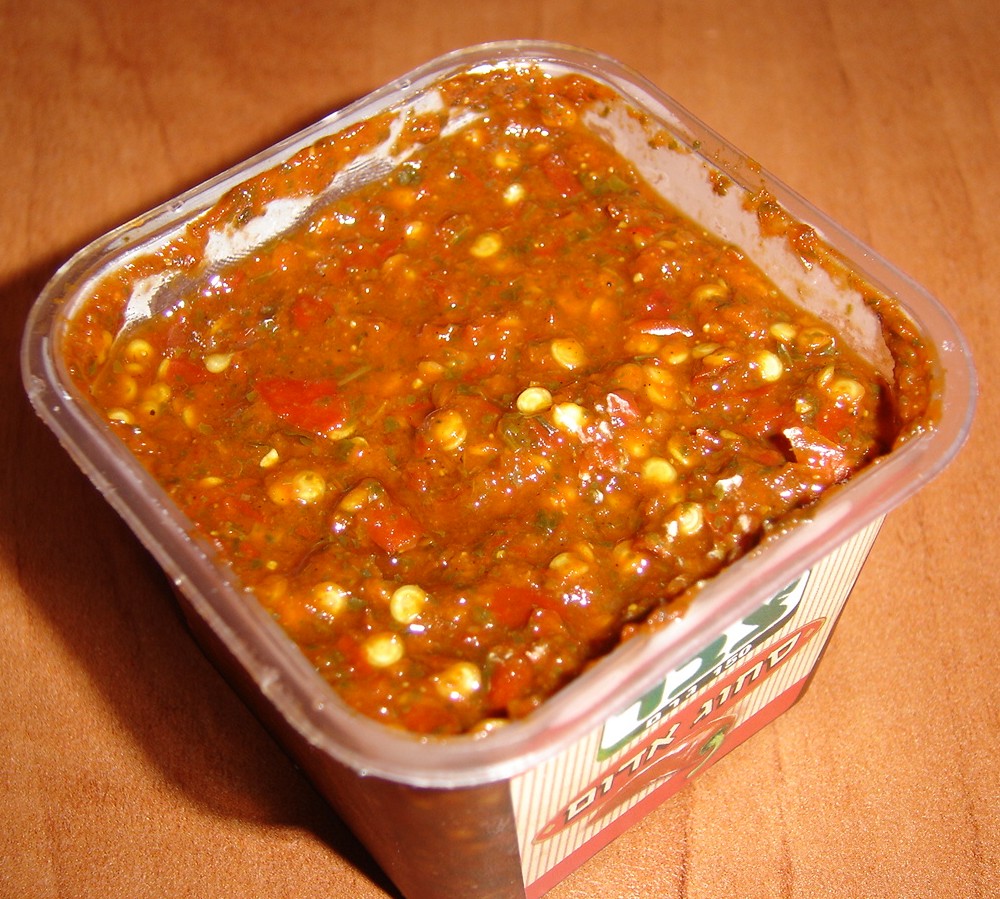 🇾🇪 Yemen and 1 moreZhugسحوق
A Yemeni hot sauce of crushed chilies, garlic, and corianderHot and fiery · Sharp and pungent
🇾🇪 Yemen and 1 moreZhugسحوق
A Yemeni hot sauce of crushed chilies, garlic, and corianderHot and fiery · Sharp and pungent
 🇱🇾 Libya and 1 morePilpelchumaפלפלצ'ומה
A steamed chili and garlic paste from Libyan Jewish cuisine, now common in Israel.Hot and fiery · Sharp and pungent
🇱🇾 Libya and 1 morePilpelchumaפלפלצ'ומה
A steamed chili and garlic paste from Libyan Jewish cuisine, now common in Israel.Hot and fiery · Sharp and pungent
 🇧🇷 Brazil and 5 moreMalagueta peppermalagueta
A small, fiery chili from Capsicum frutescens used across Portuguese-speaking regions.Chilli · Hot and fiery · Sharp and pungent
🇧🇷 Brazil and 5 moreMalagueta peppermalagueta
A small, fiery chili from Capsicum frutescens used across Portuguese-speaking regions.Chilli · Hot and fiery · Sharp and pungent