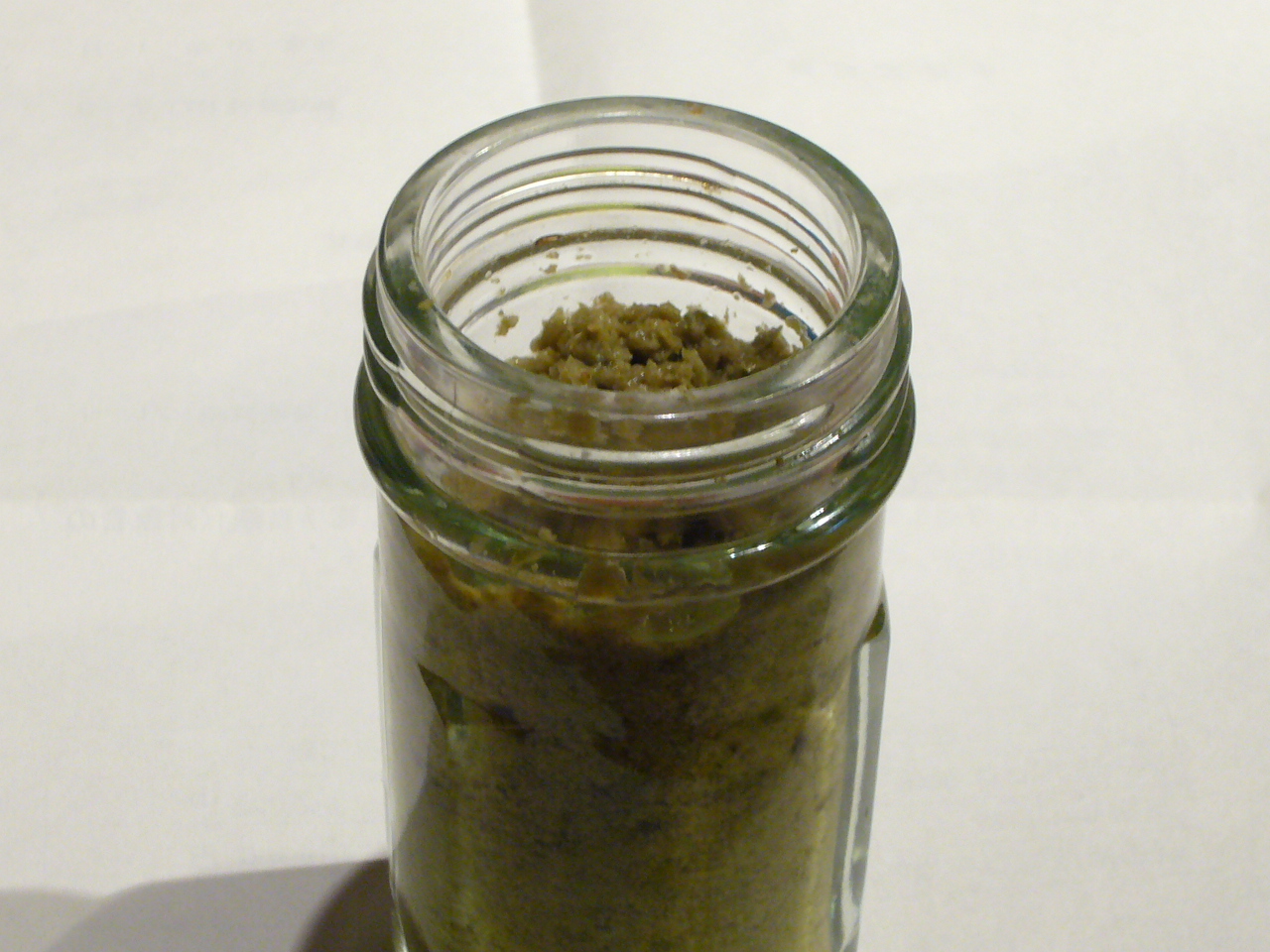
Yuzu koshō
In its own language: 柚子胡椒
A fermented Japanese paste of chili peppers and yuzu citrus peel.
Yuzu koshō is a spicy condiment from Japan made by fermenting chopped chilies with the zest of yuzu fruit and salt. It delivers a mild heat balanced by bright citrus acidity. Cooks use it to season hot pots, soups, and grilled meats.
- Fermented paste of chili peppers and yuzu peel.
- Originates from the Kyushu region of Japan.
- Used in hot pots, soups, and sashimi.
- Green or orange depending on the chili used.
- Popularized as a souvenir in Yufuin Onsen.
What is Yuzu koshō?
Yuzu koshō is a traditional Japanese seasoning paste. It consists of finely chopped chili peppers mixed with the grated peel of the yuzu fruit and salt. The mixture undergoes fermentation to develop its flavor. The name uses characters that usually mean black pepper, but in local Kyushu dialects they refer to chilies. Green chilies produce a green paste, while red chilies create an orange version. The taste is mildly spicy with distinct acidic notes from the citrus zest.
Where does Yuzu koshō come from?
The condiment originates from the Kyushu region of Japan. One theory suggests it began in villages around Hita in Ōita Prefecture, where yuzu cultivation was popular. Another legend attributes its creation to yamabushi mountain monks at a garden on Mount Hiko. These spiritual practitioners are said to have developed the recipe and passed it down through generations. It started as a homemade family product before becoming a regional specialty.
What does Yuzu koshō taste like?
The paste offers a gentle heat level rather than intense burning spice. The primary sensation comes from the capsaicin in the chili peppers. This warmth is immediately followed by the sharp, tangy acidity of the yuzu peel. The fermentation process adds depth and complexity to the simple ingredients. The result is a bright, zesty condiment that cuts through rich foods without overwhelming them.
How Yuzu koshō is grown and processed
Ingredients are sourced from Kyushu, particularly around Hita and Soeda. Yuzu trees grow in this region, including historic sites like Mount Hiko. Farmers harvest ripe chilies and fresh yuzu fruits. The peel is separated from the fruit and combined with chopped peppers and salt. This blend is packed and left to ferment for a period of time. Mass production later adopted these traditional methods for wider distribution.
Yuzu koshō, drawn
How Yuzu koshō is used
It serves primarily as a condiment for nabemono, or hot pot dishes. It is also stirred into miso soup to add flavor. Diners place small amounts on sashimi to enhance the fish. Modern usage extends to tsukune, udon noodles, tempura, and yakitori skewers. It appears on ramen, spaghetti, salads, and tonkatsu cutlets. Manufacturers incorporate the flavor into snacks like potato chips and pretzels using dried powders.
Yuzu koshō in the world's kitchens
Japanese cuisine relies on this condiment heavily, particularly in Kyushu. In other regions like Kanto, it has become available in supermarkets recently. The flavor profile suits both traditional hot pots and modern fusion dishes like pasta. Local producers in Kyushu maintain its status as a regional specialty, while national brands distribute it across the country.
At a glance: where it turns up
Cuisines


Spiritual and ceremonial use
Mountain monks known as yamabushi are linked to the early history of the paste. They reportedly created the recipe at a sacred site on Mount Hiko. The knowledge was preserved within their community over many generations. There are no specific religious rituals involving the paste today.
Yuzu koshō at celebrations
The condiment gained popularity when offered as souvenirs in the hot spring town of Yufuin Onsen. Travelers bought it to take home, spreading its reputation. It is not tied to specific festivals or holidays, but remains a popular gift item.
Traditional and medicinal use
The paste is strictly a culinary ingredient.
What to use instead of Yuzu koshō
Tankan koshō is a similar product that uses tankan citrus instead of yuzu. No direct substitutes for yuzu koshō itself are listed.
The trade in Yuzu koshō
Production shifted from family kitchens to mass-market goods. Major companies like Fundokin, House Foods, S&B Foods, and McCormick & Company now manufacture it. The brand became famous after being sold as souvenirs in Yufuin Onsen. It is now found in supermarkets throughout Japan, including the Kanto region.
Meal
This paste fits well into dinner settings, especially for hot pot meals. It accompanies lunch items like noodle soups and grilled skewers. Street vendors and snack stalls offer flavored chips and treats featuring the taste. It works as a finishing touch for casual meals or more formal hot pot gatherings.
Questions people ask about Yuzu koshō
What is yuzu koshō?
It is a Japanese fermented paste made from chili peppers, yuzu citrus peel, and salt. It provides mild heat and bright acidity to various dishes.
Where does yuzu koshō come from?
It originates from the Kyushu region of Japan, specifically areas like Hita and Soeda. Legends link its creation to mountain monks on Mount Hiko.
How does it taste?
The flavor is mildly spicy with strong acidic tones from the yuzu peel. The fermentation adds depth to the simple chili and citrus combination.
What dishes use yuzu koshō?
It seasons nabemono hot pots, miso soup, sashimi, and grilled meats like yakitori. It also flavors ramen, salads, and various snack foods.
Is there a difference between green and red versions?
Yes. Green chilies produce a green paste, while red chilies yield an orange version. Both share the same basic spicy and citrusy flavor profile.
Good reading and sources
- Yuzu koshō on WikipediaEncyclopedia
- More photos on Wikimedia CommonsPhotos and video
- Wikidata recordOpen data
The facts on this page come from the Wikipedia article "Yuzu koshō", written by its contributors and used under the CC BY-SA 4.0 licence, and from its Wikidata record (CC0). EveryMasala rewrote the text in its own words, with AI assistance, and compares every page with the article to make sure no passage is copied. It may be reused under the same CC BY-SA 4.0 licence with a link back.
It may contain mistakes. Names, strengths and customs differ from one grower, kitchen or shop to the next. Traditional and medicinal uses are described as tradition, never as medical advice, and none of this is a substitute for a doctor. If something is wrong, tell us. Last refreshed 2026-10-04.
More from Japan
All the spices of Japan 🇯🇵 Japan and 3 moreWasabiわさび
The pungent rhizome of a stream-side plant, grated fresh for sushi.Paste · Sharp and pungent · Hot and fiery
🇯🇵 Japan and 3 moreWasabiわさび
The pungent rhizome of a stream-side plant, grated fresh for sushi.Paste · Sharp and pungent · Hot and fiery
 🇯🇵 Japan and 1 moreShishito pepper獅子唐辛子 (Shishitōgarashi)
A slender East Asian chili that is mostly mild with occasional spicy surprises.Sweet and mellow · Hot and fiery
🇯🇵 JapanMoshio salt藻塩
A Japanese sea salt flavoured with dried hondawara seaweed.Seasoning · Savoury and umami
🇯🇵 Japan and 1 moreShishito pepper獅子唐辛子 (Shishitōgarashi)
A slender East Asian chili that is mostly mild with occasional spicy surprises.Sweet and mellow · Hot and fiery
🇯🇵 JapanMoshio salt藻塩
A Japanese sea salt flavoured with dried hondawara seaweed.Seasoning · Savoury and umami
 🇯🇵 JapanKarashiからし
A potent Japanese mustard made from brown mustard seeds, served as a sharp condiment.Seed · Hot and fiery · Sharp and pungent
🇯🇵 JapanKarashiからし
A potent Japanese mustard made from brown mustard seeds, served as a sharp condiment.Seed · Hot and fiery · Sharp and pungent
Its cousins elsewhere
All paste 🇮🇹 Italy and 5 moreMustard
A pungent paste made from ground mustard seeds mixed with liquid and spices.Paste · Sharp and pungent · Hot and fiery
🇮🇹 Italy and 5 moreMustard
A pungent paste made from ground mustard seeds mixed with liquid and spices.Paste · Sharp and pungent · Hot and fiery
 🇭🇹 HaitiEpis
A blended flavor base of peppers, garlic, and herbs essential to Haitian cookingHot and fiery · Sharp and pungent
🇭🇹 HaitiEpis
A blended flavor base of peppers, garlic, and herbs essential to Haitian cookingHot and fiery · Sharp and pungent
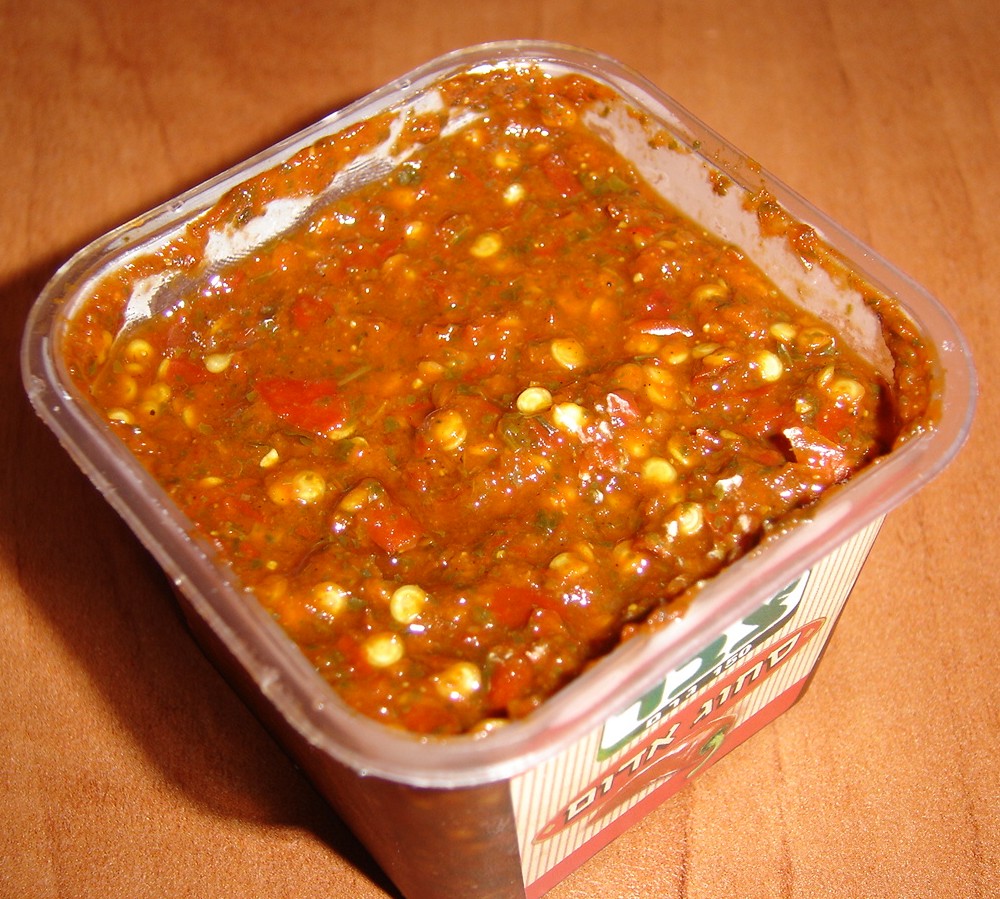 🇾🇪 Yemen and 1 moreZhugسحوق
A Yemeni hot sauce of crushed chilies, garlic, and corianderHot and fiery · Sharp and pungent
🇾🇪 Yemen and 1 moreZhugسحوق
A Yemeni hot sauce of crushed chilies, garlic, and corianderHot and fiery · Sharp and pungent
 🇱🇰 Sri LankaLunumirisලුණු මිරිස්
A traditional Sri Lankan condiment of ground chillies and saltHot and fiery · Sour and tart
🇱🇰 Sri LankaLunumirisලුණු මිරිස්
A traditional Sri Lankan condiment of ground chillies and saltHot and fiery · Sour and tart