
Mountain pepper
In its own language: 山胡椒
Litsea cubeba
A citrusy tree fruit prized as a seasoning across Taiwan's indigenous cooking
Mountain pepper comes from Litsea cubeba, an evergreen tree native to broad swathes of East and Southeast Asia. Known for its strong citrus scent and bright lemony character, the fruit serves as a defining seasoning in Taiwanese indigenous kitchens.
- Essential seasoning among the indigenous Atayal people of Taiwan, who call it maqaw.
- The fruit contains 3% to 5% essential oil, composed primarily of 70% to 85% citral.
- China produces between 500 and 1,500 tonnes of Litsea cubeba oil annually from plantations.
- Used industrially to manufacture fragrance compounds and synthesize vitamin A.
What is Mountain pepper?
Litsea cubeba is an evergreen tree or shrub belonging to the laurel family, Lauraceae, that grows between five and twelve metres in height. It produces small fruits renowned for their strong, lemony fragrance. Commonly called mountain pepper, may chang, or aromatic litsea, it is known as maqaw to the Atayal people of Taiwan and mujiangzi or douchijiang in Mandarin. While the wood finds occasional use in furniture and crafts, the plant is mainly prized for its fruit, which offers a vivid citrus aroma and flavour.
Where does Mountain pepper come from?
The plant is native across a wide geographic range in Asia. Its wild distribution encompasses South-Central and Southeast China, Hainan, and Tibet, extending eastward to Taiwan, Japan, and the Nansei-shoto islands. It is also indigenous to the Eastern Himalayas, Assam, Bangladesh, and Nepal, as well as Southeast Asian regions including Myanmar, Thailand, Laos, Cambodia, Vietnam, Malaysia, Sumatra, Java, and Borneo. Across these varied habitats, the tree has long grown wild in mountain forests and foothills.
What does Mountain pepper taste like?
The fruit possesses a prominent lemon profile driven by its concentrated essential oil. Oil pressed or distilled from the fruit yields between three and five percent volume, with citral making up seventy to eighty-five percent of the total content. This high citral presence gives the spice its clean, sharp citrus aroma and taste. A lower quality oil can also be obtained from the leaves, though it lacks the aromatic potency of the fruit.
How Mountain pepper is grown and processed
The plant grows as an evergreen shrub or mid-sized tree reaching heights of five to twelve metres. Cultivated commercially in specialized plantations as well as gathered from wild populations, it thrives in warm, temperate to tropical Asian climates. While both the foliage and the fruit contain aromatic compounds, growers focus primarily on harvesting the mature fruit, which yields the highest concentration and quality of aromatic oil.
Mountain pepper, drawn
How Mountain pepper is used
In cooking, the fruit is utilized extensively as a seasoning. Aboriginal communities in Taiwan rely on it as a hallmark spice to flavour local recipes. Beyond the kitchen, the fruit is processed on a commercial scale for fragrance extraction. Its oil flavours foods, scents bar soaps, and provides raw material for industrial chemical synthesis, including the production of violet-scented aromatics and vitamin A.
Mountain pepper in the world's kitchens
The spice is most famous as an essential culinary component of indigenous Taiwanese cuisine. Aboriginal peoples across Taiwan, including the Atayal community who refer to it as maqaw, treat the fruit as a signature culinary ingredient that defines their traditional food culture. Its distinct citrus brightness provides a characteristic local note that sets indigenous Taiwanese dishes apart from regional Mandarin cooking styles.
At a glance: where it turns up
Cuisines
Traditional and medicinal use
Various parts of the Litsea cubeba plant hold a recognized place in traditional medicine systems across East and Southeast Asia. Traditional healing practices have long employed extracts and components gathered from the tree's leaves, fruits, and other botanical parts to treat common physical ailments, relying on the natural properties of the plant's aromatic oils.
The trade in Mountain pepper
Commercial production of Litsea cubeba centers heavily in China, where the tree is cultivated on dedicated plantations. China produces between 500 and 1,500 tonnes of the essential oil each year for global commerce. Traded internationally under the botanical name Litsea cubeba, the extracted oil is sought after worldwide by fragrance manufacturers, food flavouring producers, and chemical companies synthesizing vitamins and scent compounds.
Questions people ask about Mountain pepper
Where does mountain pepper come from?
It is native to broad areas of East, South, and Southeast Asia, including Taiwan, China, Japan, Nepal, India, Thailand, and Indonesia.
What does mountain pepper taste and smell like?
Mountain pepper has a sharp, clean, lemony aroma and taste, derived from high natural levels of citral in its fruit.
How is it used in cooking?
It is used as a defining spice in Taiwanese aboriginal cooking, imparting a citrusy, aromatic seasoning to local dishes.
What else is the plant used for?
Beyond seasoning food, the fruit oil scents bar soaps and serves as a raw material for synthesizing vitamin A and violet fragrances.
Good reading and sources
- Litsea cubeba on WikipediaEncyclopedia
- More photos on Wikimedia CommonsPhotos and video
- Wikidata recordOpen data
The facts on this page come from the Wikipedia article "Litsea cubeba", written by its contributors and used under the CC BY-SA 4.0 licence, and from its Wikidata record (CC0). EveryMasala rewrote the text in its own words, with AI assistance, and compares every page with the article to make sure no passage is copied. It may be reused under the same CC BY-SA 4.0 licence with a link back.
It may contain mistakes. Names, strengths and customs differ from one grower, kitchen or shop to the next. Traditional and medicinal uses are described as tradition, never as medical advice, and none of this is a substitute for a doctor. If something is wrong, tell us. Last refreshed 2026-10-04.
More from Taiwan
All the spices of Taiwan 🇨🇳 China and 2 moreChinese prickly-ash
A thorny East Asian shrub whose reddish berries yield Sichuan pepperFruit
🇨🇳 China and 2 moreChinese prickly-ash
A thorny East Asian shrub whose reddish berries yield Sichuan pepperFruit
 🇨🇳 China and 2 moreAilanthus-like prickly ash椿叶花椒
A wild Asian prickly ash with piquant berries and edible young leavesFruit · Sharp and pungent
🇨🇳 China and 2 moreAilanthus-like prickly ash椿叶花椒
A wild Asian prickly ash with piquant berries and edible young leavesFruit · Sharp and pungent
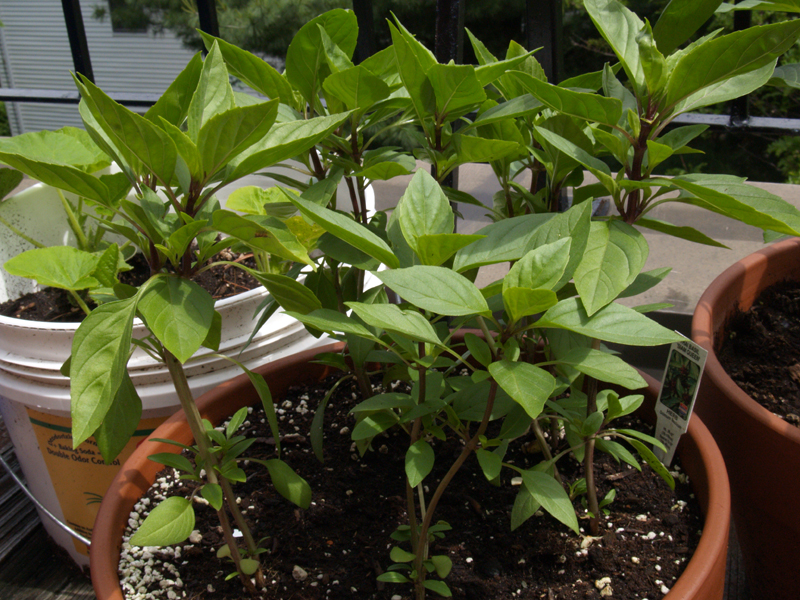 🇹🇭 Thailand and 3 moreThai basilโหระพา
A Southeast Asian herb with purple stems and anise notes, used in curries and soups.Leaf · Anise and liquorice · Hot and fiery
🇹🇭 Thailand and 3 moreThai basilโหระพา
A Southeast Asian herb with purple stems and anise notes, used in curries and soups.Leaf · Anise and liquorice · Hot and fiery
 🇺🇸 United States and 4 moreSassafras
An aromatic tree of North America and East Asia, famed for filé powder and root teaLeaf · Citrus and bright · Anise and liquorice
🇺🇸 United States and 4 moreSassafras
An aromatic tree of North America and East Asia, famed for filé powder and root teaLeaf · Citrus and bright · Anise and liquorice
Its cousins elsewhere
All fruit 🇮🇳 India and 4 moreBasil
A tender culinary herb with glossy leaves and a licorice-like aroma, native to tropical Asia.Leaf · Anise and liquorice · Warm and sweet-spiced
🇮🇳 India and 4 moreBasil
A tender culinary herb with glossy leaves and a licorice-like aroma, native to tropical Asia.Leaf · Anise and liquorice · Warm and sweet-spiced
 🇮🇳 India and 2 moreCardamom
Aromatic seeds from spindle-shaped pods used in sweet and savory dishes across Asia and the Middle East.Seed · Sharp and pungent · Warm and sweet-spiced
🇮🇳 India and 2 moreCardamom
Aromatic seeds from spindle-shaped pods used in sweet and savory dishes across Asia and the Middle East.Seed · Sharp and pungent · Warm and sweet-spiced
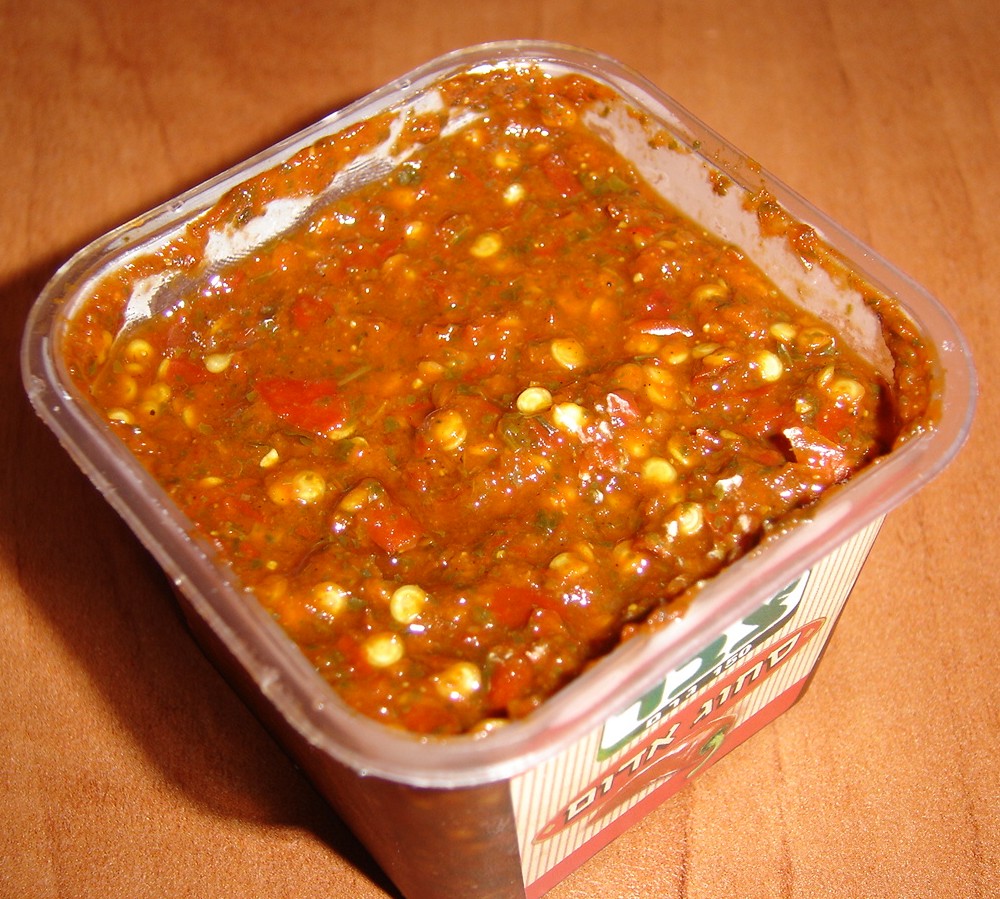 🇾🇪 Yemen and 1 moreZhugسحوق
A Yemeni hot sauce of crushed chilies, garlic, and corianderHot and fiery · Sharp and pungent
🇾🇪 Yemen and 1 moreZhugسحوق
A Yemeni hot sauce of crushed chilies, garlic, and corianderHot and fiery · Sharp and pungent
 🇲🇽 MexicoPineapple sage
A Mexican shrub with leaves that smell of pineapple and flowers that feed hummingbirdsLeaf · Citrus and bright · Sweet and mellow
🇲🇽 MexicoPineapple sage
A Mexican shrub with leaves that smell of pineapple and flowers that feed hummingbirdsLeaf · Citrus and bright · Sweet and mellow