
Penja white pepper
Piper nigrum
A Cameroonian black pepper variety grown in the volcanic Penja Valley, protected by geographical indication.
This spice is a cultivar of Piper nigrum cultivated in the mineral-rich volcanic soils of Cameroon's Penja Valley. It is available in green, white, black and red forms, with its distinct taste attributed to the local terroir. The product holds Protected Geographical Indication status in the European Union and Northern Ireland.
- Grown in the volcanic Penja Valley of Cameroon
- Protected by geographical indication in the EU and Northern Ireland
- First exported in March 1958 as white pepper
- Introduced to Cameroon by Antoine Decré
- Available in green, white, black and red forms
What is Penja white pepper?
Penja pepper is a specific type of black pepper derived from the Piper nigrum vine. It originates from the Penja Valley in Cameroon, where the plants grow in volcanic soil rich in minerals. This unique environment influences the pepper's flavour profile. The spice is processed into four distinct varieties: green, white, black and red pepper. Each form offers a slightly different sensory experience while retaining the characteristic earthy and pungent notes associated with high-quality peppercorns.
Where does Penja white pepper come from?
The cultivation of this pepper in Cameroon was introduced by Antoine Decré, who established a banana plantation in the Penja region. Commercial export began in March 1958 with a single bag of forty kilograms of white pepper. The specific terroir of the Penja Valley has since become renowned for producing superior quality peppercorns compared to other regions.
What does Penja white pepper taste like?
The taste of Penja pepper is shaped by the mineral content of the volcanic soil in which it is grown. Cooks describe it as having a complex, earthy depth with a sharp pungency. The volcanic terroir imparts a distinct character that distinguishes it from standard commercial peppers. The white variety is particularly prized for its clean heat and subtle floral undertones.
How Penja white pepper is grown and processed
Pepper vines are cultivated in the Penja Valley of Cameroon. The plants thrive in the region's volcanic soil, which provides essential minerals that contribute to the final flavour. Harvesting involves picking the ripe fruits, which are then processed into different colour varieties depending on the desired product. The white pepper is made by removing the outer skin of the ripe berry.
Penja white pepper, drawn
How Penja white pepper is used
Chefs use Penja pepper to season dishes requiring a refined peppery note. It is often ground fresh over meats, vegetables or sauces to enhance their natural flavours. The white variety is preferred in light-coloured dishes where visible black specks are undesirable. Its strong aroma makes it suitable for finishing touches in gourmet cooking.
Penja white pepper in the world's kitchens
Penja pepper is closely associated with French haute cuisine due to its popularity among top-tier chefs. It is primarily produced in Cameroon but is traded internationally. The European Union and Northern Ireland recognise its origin through geographical indication protection. This status ensures that only pepper grown in the designated Penja Valley can bear the name.
At a glance: where it turns up
By meal
Cuisines
The trade in Penja white pepper
The pepper is protected under the Bangui Agreement, granting it geographical indication status in seventeen African OAPI countries. It also holds Protected Geographical Indication status within the European Union and Northern Ireland. This legal framework prevents imitation and preserves the value of the authentic Cameroonian product. The trade focuses on premium markets willing to pay for quality.
Meal
This spice is commonly used in dinner preparations, particularly in formal dining settings. Michelin-starred chefs incorporate it into elaborate courses to add complexity. It is also found in everyday cooking where a higher quality pepper is desired. The versatility of the different colour varieties allows it to be used across various meal types.
Questions people ask about Penja white pepper
Where does Penja pepper come from?
It comes from the Penja Valley in Cameroon, where volcanic soil gives the peppercorns their distinctive mineral-rich flavour profile.
What makes Penja pepper special?
Its unique taste is influenced by the mineral content of the volcanic soil in the Penja Valley, setting it apart from standard commercial peppers.
Is Penja pepper protected?
Yes, it holds Protected Geographical Indication status in the European Union, Northern Ireland and seventeen African OAPI member states.
What varieties of Penja pepper exist?
The spice is available in four forms: green, white, black and red pepper, each offering a slightly different culinary application.
Good reading and sources
The facts on this page come from the Wikipedia article "Penja pepper", written by its contributors and used under the CC BY-SA 4.0 licence, and from its Wikidata record (CC0). EveryMasala rewrote the text in its own words, with AI assistance, and compares every page with the article to make sure no passage is copied. It may be reused under the same CC BY-SA 4.0 licence with a link back.
It may contain mistakes. Names, strengths and customs differ from one grower, kitchen or shop to the next. Traditional and medicinal uses are described as tradition, never as medical advice, and none of this is a substitute for a doctor. If something is wrong, tell us. Last refreshed 2026-10-04.
More from Cameroon
All the spices of Cameroon 🇬🇳 Guinea and 5 moreGrains of paradise
The pungent, citrus-tinged seeds of a West African ginger relative.Seed · Sharp and pungent · Hot and fiery
🇬🇳 Guinea and 5 moreGrains of paradise
The pungent, citrus-tinged seeds of a West African ginger relative.Seed · Sharp and pungent · Hot and fiery
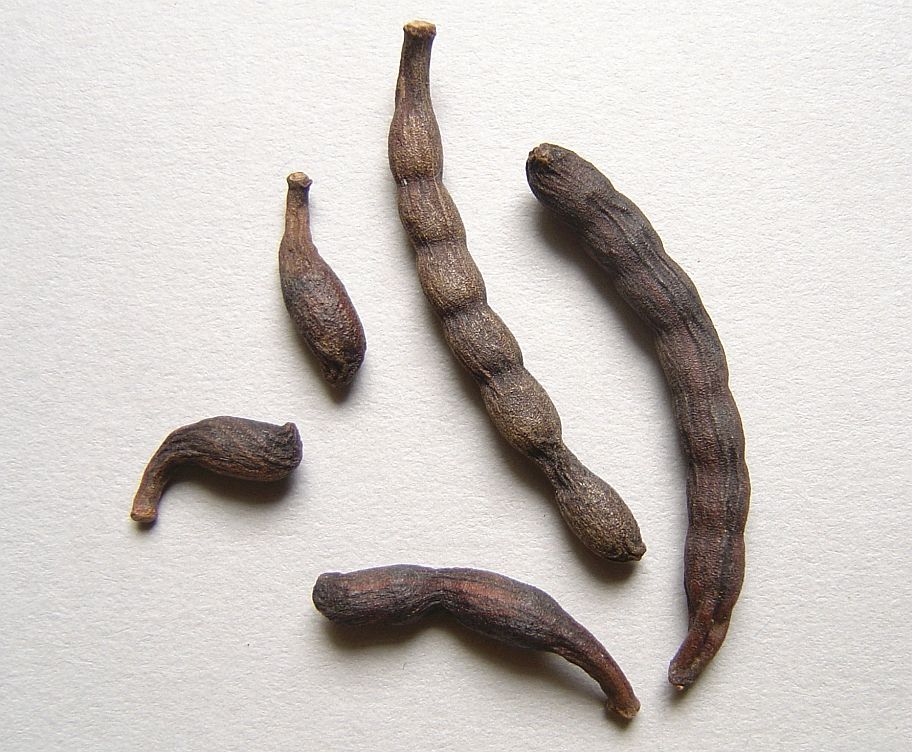 🇬🇭 Ghana and 5 moreGrains of Selimdiarr
The dried fruit of a West African shrub, used as a peppery spice and coffee flavouring.Fruit · Sharp and pungent · Bitter
🇬🇭 Ghana and 5 moreGrains of Selimdiarr
The dried fruit of a West African shrub, used as a peppery spice and coffee flavouring.Fruit · Sharp and pungent · Bitter
 🇬🇼 Guinea-Bissau and 5 moreCalabash nutmeg
The dried seed of a West African tree, used as a local substitute for nutmeg.Warm and sweet-spiced · Sweet and mellow
🇬🇼 Guinea-Bissau and 5 moreCalabash nutmeg
The dried seed of a West African tree, used as a local substitute for nutmeg.Warm and sweet-spiced · Sweet and mellow
Its cousins elsewhere
All seed 🇮🇷 Iran and 4 moreSaffronزعفران
The dried crimson stigmas of the autumn-blooming saffron crocus.Stigma · Sharp and pungent · Bitter
🇮🇷 Iran and 4 moreSaffronزعفران
The dried crimson stigmas of the autumn-blooming saffron crocus.Stigma · Sharp and pungent · Bitter
 🇲🇽 Mexico and 5 moreAnnatto
The orange-red pigment from achiote seeds used as a natural food coloring and mild spice.Seed · Earthy and deep · Sweet and mellow
🇲🇽 Mexico and 5 moreAnnatto
The orange-red pigment from achiote seeds used as a natural food coloring and mild spice.Seed · Earthy and deep · Sweet and mellow
 🇱🇾 Libya and 1 morePilpelchumaפלפלצ'ומה
A steamed chili and garlic paste from Libyan Jewish cuisine, now common in Israel.Hot and fiery · Sharp and pungent
🇱🇾 Libya and 1 morePilpelchumaפלפלצ'ומה
A steamed chili and garlic paste from Libyan Jewish cuisine, now common in Israel.Hot and fiery · Sharp and pungent
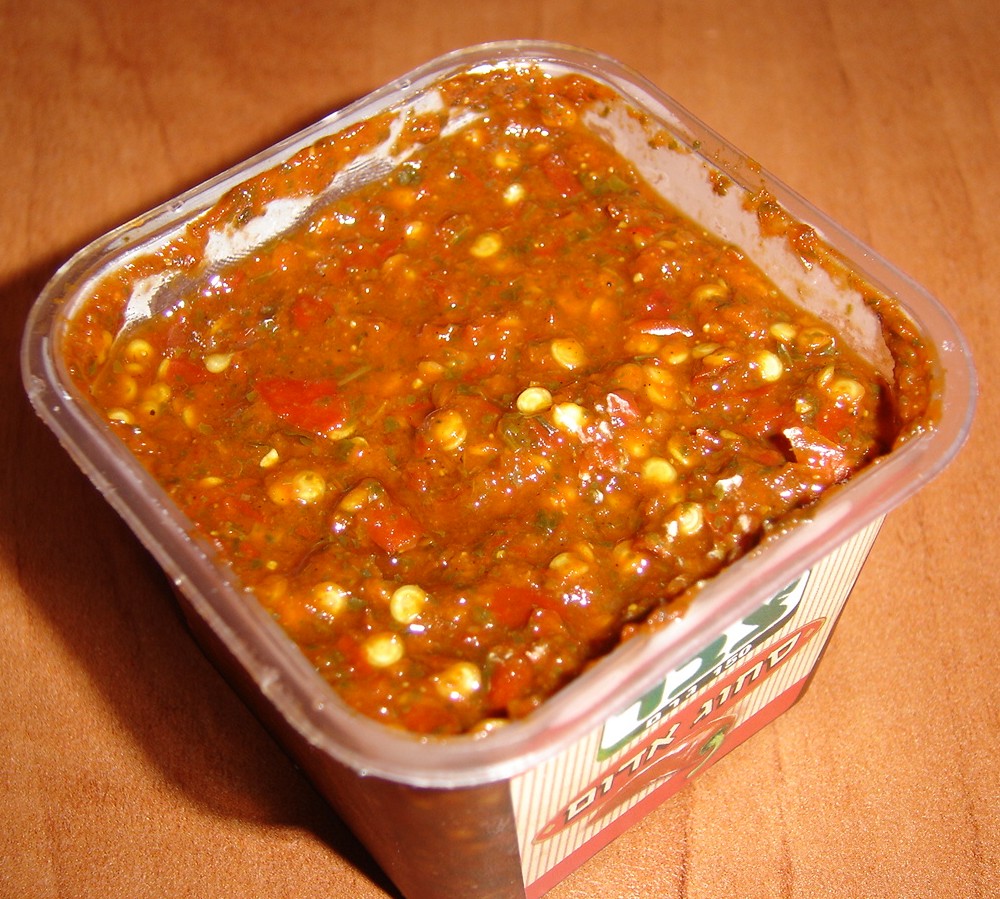 🇾🇪 Yemen and 1 moreZhugسحوق
A Yemeni hot sauce of crushed chilies, garlic, and corianderHot and fiery · Sharp and pungent
🇾🇪 Yemen and 1 moreZhugسحوق
A Yemeni hot sauce of crushed chilies, garlic, and corianderHot and fiery · Sharp and pungent