
Saffron
In its own language: زعفران
Crocus sativus
The dried crimson stigmas of the autumn-blooming saffron crocus.
Saffron consists of the vivid crimson stigmas and styles from the sterile Crocus sativus flower. Originating in Iran and spreading across Eurasia, it provides a distinct hay-like aroma and golden colour to dishes.
- One kilogram requires roughly 150,000 hand-picked flowers.
- The spice originates from the sterile Crocus sativus plant.
- Picrocrocin provides the pungent taste while safranal gives the aroma.
- Iran is the leading producer of global saffron supplies.
- ISO 3632 standards objectively grade quality based on chemical content.
What is Saffron?
Saffron is a spice made from the delicate crimson threads found inside the flower of Crocus sativus. These threads are technically the stigma and style of the bloom. The plant itself is a sterile clone known as the saffron crocus. It produces purple flowers with a sweet scent in the autumn. The harvested parts are dried to preserve their properties. The spice offers a unique combination of pungent flavour and bitter taste. Its most famous trait is the ability to turn food a rich golden-yellow hue.
Where does Saffron come from?
The spice likely originated in Iran, particularly the Khorasan region. It may have descended from wild relatives in the eastern Mediterranean. Some theories suggest origins in Mesopotamia or Kashmir. Historical records mention its use in Assyrian texts from the seventh century BC. Over three thousand five hundred years, it spread through cultural exchange and conquest across Eurasia.
What does Saffron taste like?
The taste comes from picrocrocin, a compound that creates a sharp, pungent bite. This molecule also carries a slight bitterness. The aroma results from safranal and other volatile oils. Smokers often describe the scent as hay-like or iodoformic. The colour stems from crocin, a water-soluble carotenoid pigment. This chemical allows the spice to dye rice and liquids effectively without relying on fat.
How Saffron is grown and processed
Farmers grow the crop in sunny, temperate climates with dry summers. The plants thrive in well-drained soils and full sunlight. They tolerate cold winters but suffer from damp heat during flowering. Harvesting happens over a short window in mid-autumn. Workers must pick the flowers by hand at dawn before they wilt. Each flower yields only a few milligrams of dried thread. The corms are replanted annually to propagate new plants.
Saffron, drawn
How Saffron is used
Chefs use saffron to colour and flavour rice dishes like chelow. It appears in stews such as khoresh-e fesenjan. Persian cuisine relies on it for desserts including sholeh-zard. The spice infuses drinks and preserves with its golden tint. Because one kilogram requires hundreds of thousands of flowers, cooks use it sparingly. It is often steeped in warm water before adding to recipes.
Saffron in the world's kitchens
Persian cuisine treats saffron as an essential ingredient. It defines the character of national dishes and teas. Indian kitchens, especially in Kashmir, use it for aromatic rice preparations. Spanish and Italian cooks incorporate it into seafood paellas and risottos. Greek traditions utilize it in baked goods and liqueurs. Each culture adapts the spice to local tastes and available ingredients.
At a glance: where it turns up
By meal
Cuisines
Celebrations


Spiritual and ceremonial use
Ancient civilizations used saffron in religious rituals and offerings. It served as incense in temples and sacred spaces. Zoroastrian texts reference its purity and light-giving qualities. Hindu and Buddhist traditions employ it in ceremonies and meditation aids. Christian monks historically cultivated it for medicinal and ritual purposes. Jewish customs sometimes include it in ceremonial contexts.
Saffron at celebrations
Families add saffron to special occasion foods to mark joyous events. It colours wedding feasts and holiday banquets. New year celebrations in some regions feature saffron-infused sweets. Harvest festivals celebrate the labour-intensive gathering process. Hospitality rituals often involve serving saffron tea to honoured guests.
Traditional and medicinal use
Traditional medicine systems use saffron for various ailments. Ayurveda employs it to improve digestion and mood. Ancient physicians prescribed it for heart conditions and respiratory issues. Modern safety notes suggest caution with high doses due to toxicity risks. Traditional healers value its warming properties and blood-circulating effects.
Buying and storing Saffron
Proper storage maintains the spice's potency and colour. Keep saffron in an airtight container away from light and moisture. Glass jars or sealed packets work best for long-term preservation. Exposure to air causes the volatile oils to evaporate quickly. Ground saffron loses flavour faster than whole threads. Store in a cool, dark place to prevent degradation.
The trade in Saffron
The global trade in saffron remains highly valuable due to manual harvesting. Iran dominates production, supplying most of the world's stock. Spain and Greece contribute significant amounts to international markets. Quality standards like ISO 3632 measure crocin and safranal levels. Adulteration with dyed threads or synthetic compounds occurs in unregulated markets. Premium grades command prices exceeding five thousand dollars per kilogram.
Meal
Saffron features prominently in dinner courses across its growing regions. It flavours main dishes like rice and meat stews. The spice also appears in traditional sweets and ice creams. In some cultures, it enhances festive hospitality foods. Its bright colour makes it suitable for celebratory meals rather than everyday cooking.
Blends with Saffron
Questions people ask about Saffron
What part of the plant is saffron?
Saffron consists of the dried crimson stigmas and styles from the Crocus sativus flower. These delicate threads are harvested by hand from each bloom.
Where does saffron come from originally?
It likely originated in Iran, specifically the Khorasan region. It may have descended from wild species in the eastern Mediterranean area.
How does saffron taste and smell?
It has a pungent, slightly bitter taste from picrocrocin. The aroma is described as hay-like or iodoformic due to safranal.
Why is saffron so expensive?
Harvesting is extremely labour-intensive. Workers must pick hundreds of thousands of flowers by hand to produce just one kilogram of dried spice.
Good reading and sources
- Encyclopaedia BritannicaArticle
- BBC News | South AsiaBBC, Article
- Meet the saffron producer:The Guardian, Article
- Saffron spice returns to Essex after 200 yearsBBC, Article
- Saffron on WikipediaEncyclopedia
- More photos on Wikimedia CommonsPhotos and video
- Wikidata recordOpen data
The facts on this page come from the Wikipedia article "Saffron", written by its contributors and used under the CC BY-SA 4.0 licence, and from its Wikidata record (CC0). EveryMasala rewrote the text in its own words, with AI assistance, and compares every page with the article to make sure no passage is copied. It may be reused under the same CC BY-SA 4.0 licence with a link back.
It may contain mistakes. Names, strengths and customs differ from one grower, kitchen or shop to the next. Traditional and medicinal uses are described as tradition, never as medical advice, and none of this is a substitute for a doctor. If something is wrong, tell us. Last refreshed 2026-10-05.
More from Iran
All the spices of Iran 🇦🇫 Afghanistan and 5 moreLovageлюбисток
A tall European herb with celery-like leaves and spicy seeds used in soups and broths.Leaf · Sharp and pungent · Herbal and green
🇦🇫 Afghanistan and 5 moreLovageлюбисток
A tall European herb with celery-like leaves and spicy seeds used in soups and broths.Leaf · Sharp and pungent · Herbal and green
 🇮🇷 Iran and 2 moreAsafoetida
A pungent gum-resin from the Ferula plant, used as a garlic and onion substitute in South Asian cooking.Resin · Sharp and pungent · Earthy and deep
🇮🇷 Iran and 2 moreAsafoetida
A pungent gum-resin from the Ferula plant, used as a garlic and onion substitute in South Asian cooking.Resin · Sharp and pungent · Earthy and deep
 🇮🇳 India and 5 moreCumin
The dried seed of a small parsley-family herb, used whole or ground in many world cuisines.Seed · Warm and sweet-spiced · Earthy and deep
🇮🇳 India and 5 moreCumin
The dried seed of a small parsley-family herb, used whole or ground in many world cuisines.Seed · Warm and sweet-spiced · Earthy and deep
 🇷🇺 Russia and 4 moreTarragon
A slender perennial herb with anise-scented leaves, prized in French and Middle Eastern cooking.Leaf · Anise and liquorice · Sweet and mellow
🇷🇺 Russia and 4 moreTarragon
A slender perennial herb with anise-scented leaves, prized in French and Middle Eastern cooking.Leaf · Anise and liquorice · Sweet and mellow
Its cousins elsewhere
All stigma 🇮🇷 Iran and 1 moreGalbanum
A bitter Persian gum resin used in ancient incense and modern green perfumesResin · Bitter · Sharp and pungent
🇮🇷 Iran and 1 moreGalbanum
A bitter Persian gum resin used in ancient incense and modern green perfumesResin · Bitter · Sharp and pungent
 🇬🇷 Greece and 1 moreMasticΜαστίχα
A bitter-sweet resin from the mastic tree, used in desserts and traditional medicine.Bitter · Sharp and pungent
🇬🇷 Greece and 1 moreMasticΜαστίχα
A bitter-sweet resin from the mastic tree, used in desserts and traditional medicine.Bitter · Sharp and pungent
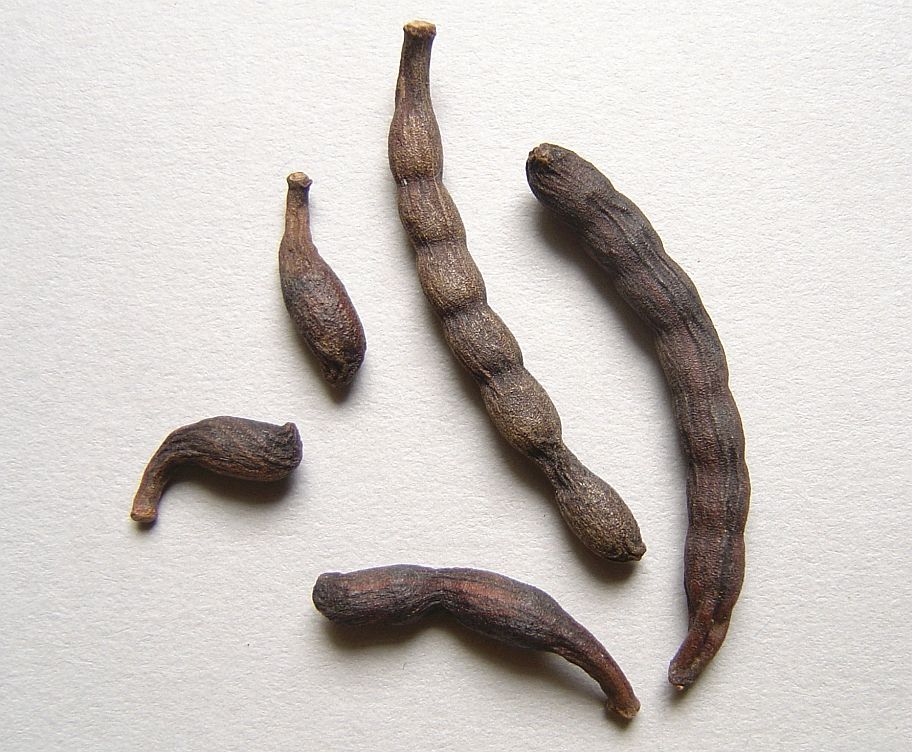 🇬🇭 Ghana and 5 moreGrains of Selimdiarr
The dried fruit of a West African shrub, used as a peppery spice and coffee flavouring.Fruit · Sharp and pungent · Bitter
🇬🇭 Ghana and 5 moreGrains of Selimdiarr
The dried fruit of a West African shrub, used as a peppery spice and coffee flavouring.Fruit · Sharp and pungent · Bitter
 🇱🇾 Libya and 1 morePilpelchumaפלפלצ'ומה
A steamed chili and garlic paste from Libyan Jewish cuisine, now common in Israel.Hot and fiery · Sharp and pungent
🇱🇾 Libya and 1 morePilpelchumaפלפלצ'ומה
A steamed chili and garlic paste from Libyan Jewish cuisine, now common in Israel.Hot and fiery · Sharp and pungent