
Peppermint
Mentha × piperita
A hybrid mint with a sharp cooling taste, used in teas, oils, and flavourings.
Peppermint is a sterile hybrid of watermint and spearmint, native to Europe and the Middle East. It contains menthol, which gives it a distinct cooling sensation. The leaves are used for tea, candy, and essential oil production.
- Peppermint is a hybrid of watermint and spearmint.
- Morocco produces 78% of the world's peppermint.
- Menthol creates a cooling sensation on the skin.
- It was first identified in Hertfordshire, England.
- Plumbers use the oil to find pipe leaks.
What is Peppermint?
Peppermint is a perennial herb that grows from wide-spreading rhizomes. It has square stems and dark green leaves with reddish veins. The plant produces purple flowers in spikes during summer. It is a cross between watermint and spearmint. The leaves contain high levels of menthol. This compound creates a strong cooling feeling on the skin and tongue. The aroma is fresh and sharp. The taste is distinctly minty with a cold finish.
Where does Peppermint come from?
The plant was first identified in Hertfordshire, England. John Ray published this discovery in 1696. Carl Linnaeus named it Mentha piperita in 1753. It is indigenous to Europe and the Middle East. Chinese peppermint comes from a different species called M. haplocalyx. Both plants produce menthol and menthone. They are among the oldest herbs used for cooking and medicine.
What does Peppermint taste like?
The main flavour comes from menthol and menthone. These chemicals activate cold-sensitive receptors in the body. This causes a physical cooling sensation. The taste is sharp and refreshing. Peppermint oil defines the classic peppermint scent. Other compounds include menthyl acetate and menthofuran. The flavour is clean and penetrating.
How Peppermint is grown and processed
Peppermint grows best in moist, shaded areas. It spreads quickly through underground runners. Gardeners often grow it in containers to stop it from taking over. The leaves are harvested when flowers begin to open. They can be dried or distilled fresh. Cultivated plants are selected for higher oil content. The wild form is less suitable for oil production.
Peppermint, drawn
How Peppermint is used
Fresh or dried leaves make peppermint tea. The oil flavours chewing gum, toothpaste, and ice cream. It is used in candies and fruit preserves. Alcoholic beverages also use peppermint extract. Plumbers use the oil to test for pipe leaks. The strong smell reveals tightness in pipes. Topical applications relieve muscle pain and itching.
Peppermint in the world's kitchens
Western cuisine uses peppermint widely. It flavours sweets and oral care products. Chinese cuisine uses bohe leaves differently. American production focuses on Oregon and Washington. Morocco leads global oil production. Argentina is a major producer too. The plant is grown worldwide now.
At a glance: where it turns up
Cuisines


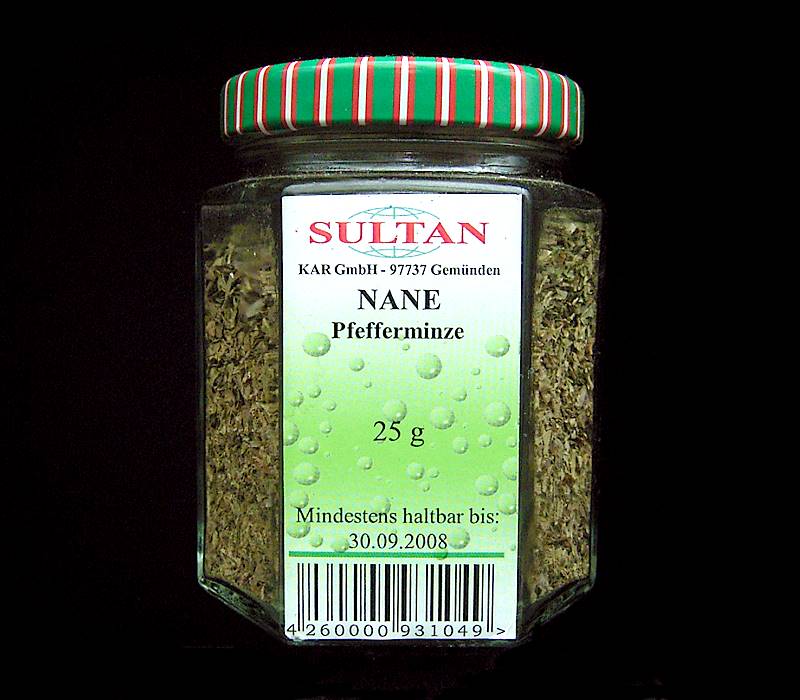
Spiritual and ceremonial use
Traditional medicine systems have used it historically. It remains a culinary and medicinal herb without spiritual status.
Peppermint at celebrations
No festivals or holidays mention peppermint specifically. It is not part of wedding or harvest traditions. It is used daily in cooking and hygiene. The spice does not appear in ceremonial contexts. It is an everyday ingredient for flavour and freshness.
Traditional and medicinal use
Ancient traditional medicine used peppermint for gastrointestinal issues. Modern research looks at it for irritable bowel syndrome. High doses can cause heartburn or irritation. The European Medicines Agency considers it safe topically. Pulegone levels must stay below one percent. Oral use may interact with other medicines. It is not approved by the FDA as effective.
Buying and storing Peppermint
Dried leaves should be kept away from moisture. Oil should be stored in sealed containers. Contamination with metals is possible in supplements. No standard manufacturing rules exist for all products. Check for purity if buying supplements. Fresh leaves wilt quickly if not used.
What to use instead of Peppermint
Spearmint is a parent species of peppermint. It has a milder taste without the cooling effect. Watermint is another relative but less common. Bohe is used in Chinese cooking instead. No direct substitute matches the menthol chill. Spearmint works in teas where heat is unwanted.
The trade in Peppermint
Morocco produces seventy-eight percent of world peppermint. Argentina supplies twenty percent. Oregon and Washington lead US production. The oil is used globally for flavours and fragrances. Adulteration is a risk in unregulated markets. ISO standards define dried leaves and oil quality. Trade routes spread the hybrid far beyond its origin.
Meal
Peppermint is common in drinks like herbal tea. It flavours desserts such as ice cream and chocolate mints. Snacks include peppermint candies and gum. It is not typically used in main meals. The cool taste makes it popular after eating. It appears in preserves and cured foods too.
Questions people ask about Peppermint
What is peppermint?
Peppermint is a sterile hybrid mint plant. It crosses watermint and spearmint. The leaves contain menthol. This gives a sharp, cooling taste. It is used in teas and oils.
Where does peppermint come from?
It is native to Europe and the Middle East. First found in Hertfordshire, England. Now grown in Morocco and Argentina. The US also produces significant amounts.
How does peppermint taste?
It tastes minty and very cool. Menthol activates cold receptors. The flavour is sharp and fresh. It does not have heat like chillies. The cooling effect lasts on the tongue.
How is peppermint used?
Leaves make tea and flavour candies. Oil goes into toothpaste and gum. Plumbers use it to test pipes. It relieves muscle pain when applied topically.
Is peppermint safe?
Topical use is generally safe. High oral doses may cause heartburn. Pulegone levels must be low. It can interact with some medicines. Consult a doctor before using supplements.
Good reading and sources
- Peppermint on WikipediaEncyclopedia
- More photos on Wikimedia CommonsPhotos and video
- Wikidata recordOpen data
The facts on this page come from the Wikipedia article "Peppermint", written by its contributors and used under the CC BY-SA 4.0 licence, and from its Wikidata record (CC0). EveryMasala rewrote the text in its own words, with AI assistance, and compares every page with the article to make sure no passage is copied. It may be reused under the same CC BY-SA 4.0 licence with a link back.
It may contain mistakes. Names, strengths and customs differ from one grower, kitchen or shop to the next. Traditional and medicinal uses are described as tradition, never as medical advice, and none of this is a substitute for a doctor. If something is wrong, tell us. Last refreshed 2026-10-04.
More from Morocco
All the spices of Morocco 🇦🇹 Austria and 5 moreCaraway
The crescent-shaped fruit of a carrot-family herb, used to flavour breads and spirits.Seed · Anise and liquorice · Sharp and pungent
🇦🇹 Austria and 5 moreCaraway
The crescent-shaped fruit of a carrot-family plant, used to flavour rye bread and spirits.Seed · Sharp and pungent · Anise and liquorice
🇦🇹 Austria and 5 moreCaraway
The crescent-shaped fruit of a carrot-family herb, used to flavour breads and spirits.Seed · Anise and liquorice · Sharp and pungent
🇦🇹 Austria and 5 moreCaraway
The crescent-shaped fruit of a carrot-family plant, used to flavour rye bread and spirits.Seed · Sharp and pungent · Anise and liquorice
 🇬🇷 Greece and 4 moreParsley
A bright green herb from the celery family, used fresh across Europe and the Middle East.Leaf · Bitter · Herbal and green
🇬🇷 Greece and 4 moreParsley
A bright green herb from the celery family, used fresh across Europe and the Middle East.Leaf · Bitter · Herbal and green
 🇨🇳 China and 4 moreSpearmint
The square-stemmed herb with pointed leaves used for tea and flavouring oil.Leaf
🇨🇳 China and 4 moreSpearmint
The square-stemmed herb with pointed leaves used for tea and flavouring oil.Leaf
Its cousins elsewhere
All leaf 🇮🇳 India and 4 moreFennel
The anise-scented seeds and crisp bulb of a Mediterranean perennial herbSeed · Anise and liquorice · Sweet and mellow
🇮🇳 India and 4 moreFennel
The anise-scented seeds and crisp bulb of a Mediterranean perennial herbSeed · Anise and liquorice · Sweet and mellow
 🇮🇳 India and 4 moreBasil
A tender culinary herb with glossy leaves and a licorice-like aroma, native to tropical Asia.Leaf · Anise and liquorice · Warm and sweet-spiced
🇮🇳 India and 4 moreBasil
A tender culinary herb with glossy leaves and a licorice-like aroma, native to tropical Asia.Leaf · Anise and liquorice · Warm and sweet-spiced
 🇷🇺 Russia and 4 moreTarragon
A slender perennial herb with anise-scented leaves, prized in French and Middle Eastern cooking.Leaf · Anise and liquorice · Sweet and mellow
🇮🇱 IsraelNufar basil
A sweet basil variety bred in Israel to resist a deadly fungal wilt disease.Leaf · Sweet and mellow
🇷🇺 Russia and 4 moreTarragon
A slender perennial herb with anise-scented leaves, prized in French and Middle Eastern cooking.Leaf · Anise and liquorice · Sweet and mellow
🇮🇱 IsraelNufar basil
A sweet basil variety bred in Israel to resist a deadly fungal wilt disease.Leaf · Sweet and mellow