
Cinnamon
Cinnamomum verum
The dried inner bark of Cinnamomum trees, prized for its sweet warmth and essential oil.
Cinnamon is the aromatic spice derived from the inner bark of several tree species within the genus Cinnamomum. It provides a warm, sweet flavour to both savoury dishes and sweets across global cuisines. The taste comes primarily from cinnamaldehyde in its essential oil.
- Cinnamaldehyde provides the main flavour and aroma.
- China produced thirty-nine percent of world supply in 2023.
- Ancient Egyptians used it for embalming mummies.
- True cinnamon has thin, crumbly bark layers.
- Cassia contains higher levels of coumarin.
What is Cinnamon?
Cinnamon is a spice made from the inner bark of trees in the Cinnamomum genus. It appears as curled quills or broken pieces of bark. The colour ranges from light brown for true cinnamon to reddish-brown for cassia varieties. Its distinct aroma and flavour come from cinnamaldehyde, an essential oil component. The taste is warm, sweet, and slightly pungent. Other compounds like eugenol add depth. The texture varies from crumbly in thin quills to hard and woody in thicker bark types.
Where does Cinnamon come from?
Cinnamon has been known since ancient times. It was imported to Egypt around 2000 BC. Ancient traders kept its source secret to maintain monopolies. Early accounts confused it with cassia from China. Greek writers placed its origin in Arabia. By the Middle Ages, Europeans knew it came via the Red Sea to Egypt. The first records linking it to Sri Lanka appeared in the thirteenth century. Dutch traders later controlled production there before the British established estates in India.
What does Cinnamon taste like?
The primary flavour compound is cinnamaldehyde. This gives cinnamon its characteristic warmth and sweetness. Eugenol contributes a spicy, clove-like note. Cassia varieties offer a stronger, spicier punch than true cinnamon. True cinnamon is more subtle and aromatic. The heat is not capsaicin-based but comes from these volatile oils. The flavour profile is sweet and warming, making it suitable for many applications.
How Cinnamon is grown and processed
Cinnamon trees are evergreens with oval leaves and thick bark. They are grown for two years before coppicing. New shoots grow from the roots after cutting. Harvesters scrape off outer bark and beat stems to loosen the inner layer. The inner bark is peeled into long rolls. These dry in four to six hours in warm, ventilated conditions. Pests can affect crops, sometimes requiring sulphur dioxide treatment during processing.
Cinnamon, drawn
How Cinnamon is used
Cinnamon is used as a condiment and flavouring agent. It appears in biscuits, cereals, bagels, teas, and hot chocolate. It flavours both sweet and savoury dishes. In Western Europe, it was common in medieval sauces. In Japan, roots are used for a distinct product called nikki. It is often baked into goods like cinnamon rolls. The spice is used whole as quills or ground into powder.
Cinnamon in the world's kitchens
Turkish and Catalan cuisines feature it prominently. Western European traditions used it in medieval sauces. Asian cuisines utilize various species like Chinese and Vietnamese cassia. Sri Lankan cinnamon is highly valued globally. Different regions prefer specific types based on flavour intensity and texture preferences.
At a glance: where it turns up
Spiritual use
Celebrations


Spiritual and ceremonial use
Ancient Egyptians used it in embalming mummies. It was part of kyphi, an aromatic blend for burning. Hellenistic rulers gifted it to temples. Roman emperors burned large quantities at funerals. Its value made it a fitting offering for monarchs and deities in antiquity.
Cinnamon at celebrations
Emperor Nero burned a year's supply at his wife's funeral. This act demonstrated extreme wealth and grief. Such grand gestures were rare due to the spice's high cost. It was associated with royal gifts and temple offerings rather than public festivals.
Traditional and medicinal use
Traditional medicine systems have used it for centuries. It is considered a crude drug and herbal medicinal product. However, specific medical claims are not detailed here. Modern analysis shows potential contamination with coumarin in counterfeit products. Consumers should be aware of quality differences between true cinnamon and cassia.
Buying and storing Cinnamon
Dried bark must be kept in well-ventilated areas to prevent pest proliferation. Sulfur dioxide treatment may be necessary if drying conditions are poor. Proper storage maintains the essential oil content. Ground cinnamon loses flavour faster than whole quills.
What to use instead of Cinnamon
Cassia is often used as a substitute for true cinnamon. It provides a stronger flavour but different texture. Nikki from Japanese cinnamon roots offers a distinct alternative. Confusion between species is common in markets. Iodine tests can help distinguish pure Ceylon cinnamon from cassia blends.
The trade in Cinnamon
China leads global production with thirty-nine percent share. Vietnam, Indonesia, and Sri Lanka account for most of the rest. Historical trade routes moved cinnamon from Asia to Egypt and Europe. Venetian merchants once held a monopoly. Disruptions led Europeans to seek new routes. Counterfeiting with cheaper cassia remains a market issue.
Meal
It is common at breakfast in cereals and bagels. It flavours drinks like tea and hot chocolate. It is a key ingredient in desserts and sweet snacks. Street food and preserved items may also use it. Its versatility allows it to appear in daily cooking and special treats alike.
Blends with Cinnamon
Questions people ask about Cinnamon
What is the difference between cinnamon and cassia?
True cinnamon comes from Cinnamomum verum and has thin, layered bark. Cassia comes from other species like C. cassia and has thick, hard bark. Cassia has a stronger, spicier flavour while true cinnamon is subtler.
Where does cinnamon come from?
It originates from trees in the Cinnamomum genus. Major producers include Sri Lanka, China, Indonesia, and Vietnam. Historically, it was traded from these regions to Egypt and Europe.
How is cinnamon harvested?
Trees are coppiced after two years. Harvesters scrape outer bark and peel the inner layer. The strips are rolled and dried for four to six hours. This process creates the familiar quill shape.
Is cinnamon safe to eat daily?
Cassia contains coumarin, which can be harmful in large amounts. True cinnamon has much lower levels. Moderation is advised, especially when using cassia varieties commonly found in supermarkets.
What does cinnamon taste like?
It tastes warm, sweet, and slightly pungent. The flavour comes from cinnamaldehyde oil. It adds depth to both savoury dishes and sweet treats like desserts and beverages.
Good reading and sources
- Cinnamon sparks spicy debate between Danish bakers and food authoritiesThe Guardian, Article
- International trade in non-wood forest products: An overviewFAO, Article
- Cinnamon on WikipediaEncyclopedia
- More photos on Wikimedia CommonsPhotos and video
- Wikidata recordOpen data
The facts on this page come from the Wikipedia article "Cinnamon", written by its contributors and used under the CC BY-SA 4.0 licence, and from its Wikidata record (CC0). EveryMasala rewrote the text in its own words, with AI assistance, and compares every page with the article to make sure no passage is copied. It may be reused under the same CC BY-SA 4.0 licence with a link back.
It may contain mistakes. Names, strengths and customs differ from one grower, kitchen or shop to the next. Traditional and medicinal uses are described as tradition, never as medical advice, and none of this is a substitute for a doctor. If something is wrong, tell us. Last refreshed 2026-10-04.
More from Sri Lanka
All the spices of Sri Lanka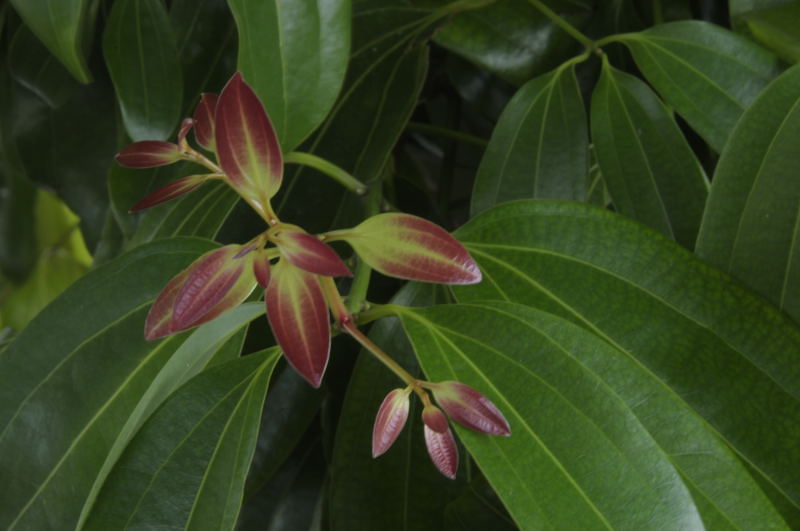 🇱🇰 Sri Lanka and 3 moreCeylon cinnamon
The inner bark of a Sri Lankan evergreen, prized for its delicate, sweet spice.Bark · Sweet and mellow · Warm and sweet-spiced
🇱🇰 Sri Lanka and 3 moreCeylon cinnamon
The inner bark of a Sri Lankan evergreen, prized for its delicate, sweet spice.Bark · Sweet and mellow · Warm and sweet-spiced
 🇮🇳 India and 4 moreBasil
A tender culinary herb with glossy leaves and a licorice-like aroma, native to tropical Asia.Leaf · Anise and liquorice · Warm and sweet-spiced
🇱🇰 Sri LankaThuna pahaතුන පහ
A Sri Lankan unroasted curry powder made from cumin, fennel, and coriander seeds.Warm and sweet-spiced · Sharp and pungent
🇮🇳 India and 4 moreBasil
A tender culinary herb with glossy leaves and a licorice-like aroma, native to tropical Asia.Leaf · Anise and liquorice · Warm and sweet-spiced
🇱🇰 Sri LankaThuna pahaතුන පහ
A Sri Lankan unroasted curry powder made from cumin, fennel, and coriander seeds.Warm and sweet-spiced · Sharp and pungent
 🇱🇰 Sri LankaLunumirisලුණු මිරිස්
A traditional Sri Lankan condiment of ground chillies and saltHot and fiery · Sour and tart
🇱🇰 Sri LankaLunumirisලුණු මිරිස්
A traditional Sri Lankan condiment of ground chillies and saltHot and fiery · Sour and tart
Its cousins elsewhere
All bark 🇮🇩 Indonesia and 3 moreNutmeg
The dried seed of a tropical evergreen tree, prized for its warm, pungent flavor.Seed · Warm and sweet-spiced · Sweet and mellow
🇯🇴 Jordan and 5 moreBaharatبهارات
A versatile Middle Eastern spice blend used to season meats and soups.Warm and sweet-spiced · Sharp and pungent
🇮🇩 Indonesia and 3 moreNutmeg
The dried seed of a tropical evergreen tree, prized for its warm, pungent flavor.Seed · Warm and sweet-spiced · Sweet and mellow
🇯🇴 Jordan and 5 moreBaharatبهارات
A versatile Middle Eastern spice blend used to season meats and soups.Warm and sweet-spiced · Sharp and pungent
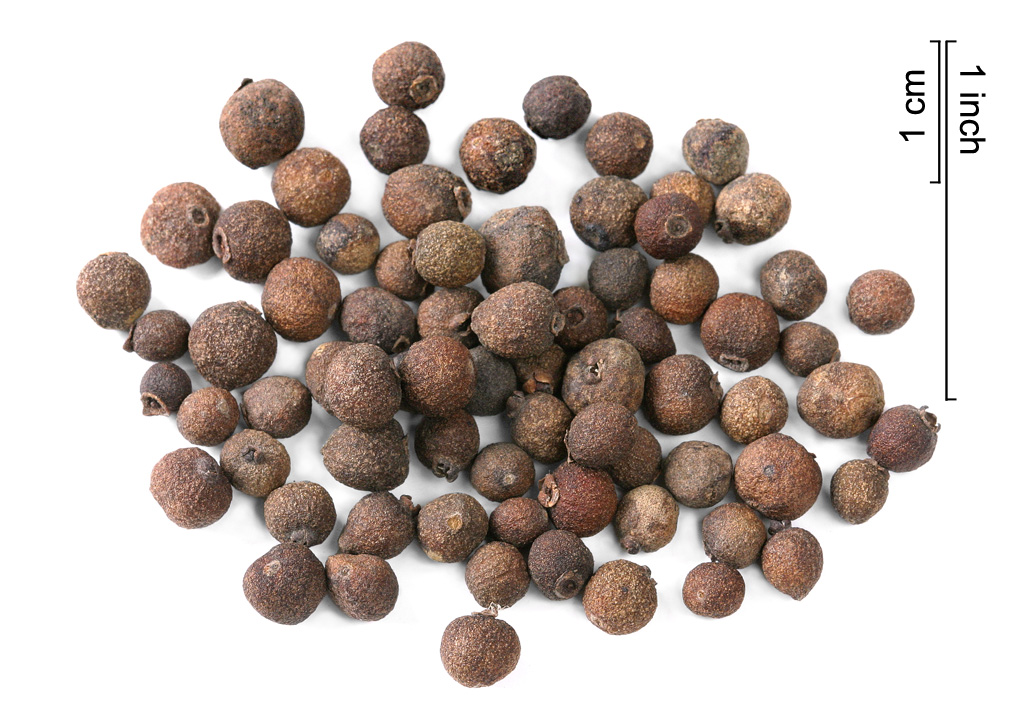 🇯🇲 Jamaica and 2 moreAllspice
The dried green berry of a tropical tree, named for its blend of cinnamon, nutmeg, and clove notes.Fruit · Warm and sweet-spiced · Sweet and mellow
🇯🇲 Jamaica and 2 moreAllspice
The dried green berry of a tropical tree, named for its blend of cinnamon, nutmeg, and clove notes.Fruit · Warm and sweet-spiced · Sweet and mellow
 🇬🇧 United Kingdom and 2 moreMixed spice
A British blend of cinnamon, nutmeg, and allspice for sweet bakingBlend · Warm and sweet-spiced · Sweet and mellow
🇬🇧 United Kingdom and 2 moreMixed spice
A British blend of cinnamon, nutmeg, and allspice for sweet bakingBlend · Warm and sweet-spiced · Sweet and mellow