Qâlat daqqa
In its own language: قلات دقة
A Tunisian blend of five warm spices used to season meats and vegetables
Qâlat daqqa is a spice mix from Tunisia made from cloves, nutmeg, cinnamon, black pepper, and grains of paradise. It is ground to varying consistencies and adds a sweet, warm flavor to dishes.
- Made of cloves, nutmeg, cinnamon, black pepper, and grains of paradise
- Known as Tunisian Five Spices
- Used as a dry rub or in marinades for lamb tajines
- Adds warm flavor to pumpkin and eggplant dishes
- Also used in fruit crisps and pies
What is Qâlat daqqa?
Qâlat daqqa is a spice blend native to Tunisia. The mixture combines cloves, nutmeg, cinnamon, peppercorns, and grains of paradise. These ingredients are mixed together and then ground. The texture can range from a coarse grind to a fine powder depending on how the cook plans to use it. The resulting blend has a distinct sweet and warm character that defines its role in local cooking.
Where does Qâlat daqqa come from?
This spice mix originates from Tunisia. It is a staple within Tunisian cuisine. The name reflects its local roots and traditional preparation methods found in households across the country.
What does Qâlat daqqa taste like?
The taste profile is described as sweet and warm. This comes from the combination of spicy peppercorns, aromatic cloves, earthy nutmeg, and sweet cinnamon. Grains of paradise add a unique herbal note. The warmth is gentle rather than hot, making it suitable for both savory and sweet applications.
How Qâlat daqqa is grown and processed
The individual components are grown in various regions around the world. Cloves, nutmeg, and grains of paradise come from tropical areas. Cinnamon and black pepper are also tropical crops. In Tunisia, these spices are sourced, mixed, and ground by hand or machine to create the final blend.
Qâlat daqqa, drawn
How Qâlat daqqa is used
Cooking uses this blend as a dry rub or an ingredient in marinades. It is commonly applied to meats, particularly lamb tajines. For vegetables, it adds warmth to pumpkin and eggplant dishes. It also appears in fruit crisps, pies, and other fruit-based desserts.
Qâlat daqqa in the world's kitchens
Tunisian cuisine relies on this blend for its signature flavor. It distinguishes local meat and vegetable preparations from other North African styles. The specific combination of five spices creates a unique identity for Tunisian home cooking.
At a glance: where it turns up
By meal
Cuisines
Qâlat daqqa at celebrations
No specific festivals, weddings, or holidays are mentioned in connection with this spice.
Traditional and medicinal use
The blend is strictly culinary in the provided context.
What to use instead of Qâlat daqqa
No substitutes or common confusions are listed in the provided material.
Meal
It is primarily used for dinner dishes like tagines and vegetable sides. It also features in dessert contexts, such as fruit pies and crisps. This versatility allows it to bridge savory main courses and sweet endings.
Questions people ask about Qâlat daqqa
What is Qâlat daqqa?
It is a Tunisian spice blend also called Tunisian Five Spices. It mixes cloves, nutmeg, cinnamon, black pepper, and grains of paradise into a coarse or fine powder.
Where does it come from?
Qâlat daqqa originates from Tunisia. It is a key component of Tunisian cuisine and is used throughout the country for seasoning.
How does it taste?
The blend is described as having a sweet and warm flavor. The spices combine to create a gentle warmth without intense heat.
What dishes is it used in?
It seasons meats like lamb tajines and vegetables like pumpkin and eggplant. It is also used in fruit desserts such as crisps and pies.
Good reading and sources
The facts on this page come from the Wikipedia article "Qâlat daqqa", written by its contributors and used under the CC BY-SA 4.0 licence, and from its Wikidata record (CC0). EveryMasala rewrote the text in its own words, with AI assistance, and compares every page with the article to make sure no passage is copied. It may be reused under the same CC BY-SA 4.0 licence with a link back.
It may contain mistakes. Names, strengths and customs differ from one grower, kitchen or shop to the next. Traditional and medicinal uses are described as tradition, never as medical advice, and none of this is a substitute for a doctor. If something is wrong, tell us. Last refreshed 2026-10-04.
More from Tunisia
All the spices of Tunisia 🇲🇦 Morocco and 2 moreRas el hanoutرأس الحانوت
A complex Maghrebi spice blend meaning 'head of the shop', used in savory dishes across North Africa.Warm and sweet-spiced · Earthy and deep
🇹🇳 TunisiaTabilتابل
A Tunisian blend of coriander, caraway, garlic, and chili used to season stews.Sharp and pungent · Warm and sweet-spiced
🇯🇴 Jordan and 5 moreBaharatبهارات
A versatile Middle Eastern spice blend used to season meats and soups.Warm and sweet-spiced · Sharp and pungent
🇲🇦 Morocco and 2 moreRas el hanoutرأس الحانوت
A complex Maghrebi spice blend meaning 'head of the shop', used in savory dishes across North Africa.Warm and sweet-spiced · Earthy and deep
🇹🇳 TunisiaTabilتابل
A Tunisian blend of coriander, caraway, garlic, and chili used to season stews.Sharp and pungent · Warm and sweet-spiced
🇯🇴 Jordan and 5 moreBaharatبهارات
A versatile Middle Eastern spice blend used to season meats and soups.Warm and sweet-spiced · Sharp and pungent
Its cousins elsewhere
 🇮🇳 India and 4 moreFennel
The anise-scented seeds and crisp bulb of a Mediterranean perennial herbSeed · Anise and liquorice · Sweet and mellow
🇮🇳 India and 4 moreFennel
The anise-scented seeds and crisp bulb of a Mediterranean perennial herbSeed · Anise and liquorice · Sweet and mellow
 🇱🇰 Sri Lanka and 5 moreCinnamon
The dried inner bark of Cinnamomum trees, prized for its sweet warmth and essential oil.Bark · Warm and sweet-spiced · Sweet and mellow
🇱🇰 Sri Lanka and 5 moreCinnamon
The dried inner bark of Cinnamomum trees, prized for its sweet warmth and essential oil.Bark · Warm and sweet-spiced · Sweet and mellow
 🇮🇩 Indonesia and 3 moreNutmeg
The dried seed of a tropical evergreen tree, prized for its warm, pungent flavor.Seed · Warm and sweet-spiced · Sweet and mellow
🇮🇩 Indonesia and 3 moreNutmeg
The dried seed of a tropical evergreen tree, prized for its warm, pungent flavor.Seed · Warm and sweet-spiced · Sweet and mellow
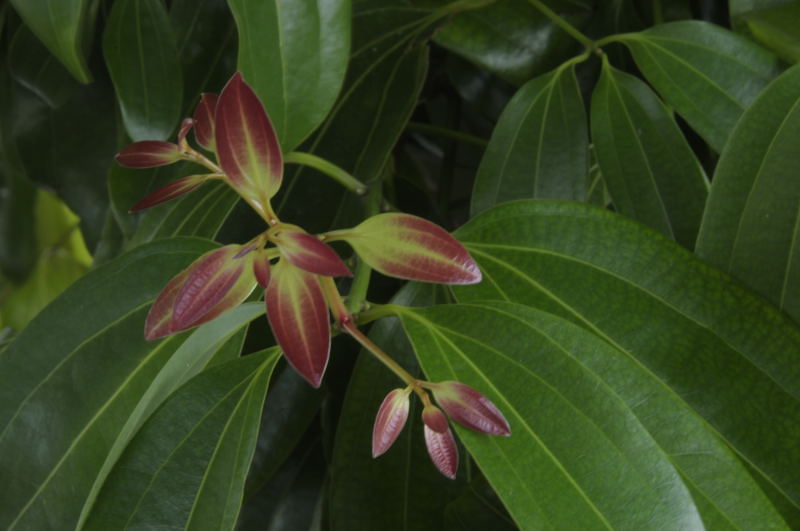 🇱🇰 Sri Lanka and 3 moreCeylon cinnamon
The inner bark of a Sri Lankan evergreen, prized for its delicate, sweet spice.Bark · Sweet and mellow · Warm and sweet-spiced
🇱🇰 Sri Lanka and 3 moreCeylon cinnamon
The inner bark of a Sri Lankan evergreen, prized for its delicate, sweet spice.Bark · Sweet and mellow · Warm and sweet-spiced