
Tandoori masala
A spice blend for clay-oven cooking in the Indian subcontinent
Tandoori masala is a mixture of spices designed for use in a tandoor, a traditional clay oven. It typically contains garam masala, garlic, ginger, onion, and cayenne pepper. The blend was created by Kundan Lal Gujral in the 1920s to cook chicken in a tandoor.
- Created by Kundan Lal Gujral in the 1920s in Peshawar.
- Designed specifically for use in a tandoor clay oven.
- Typically includes garam masala, garlic, ginger, onion, and cayenne.
What is Tandoori masala?
This is a dry spice blend made specifically for cooking in a tandoor, which is a cylindrical clay oven used across the Indian subcontinent. The mix usually combines ground garam masala with fresh ingredients like garlic, ginger, and onion, along with cayenne pepper for heat. Other spices may be added depending on the region. The ingredients are often pounded together using a pestle and mortar to create a uniform powder or paste base.
Where does Tandoori masala come from?
Kundan Lal Gujral is credited with creating this blend in the 1920s while working at a restaurant in Peshawar. He experimented with the tandoor, which was traditionally used only for baking bread like naan. Gujral became the first person to roast chicken in this oven using his new spice mixture. He later opened a famous restaurant called Moti Mahal in Delhi, helping to popularize the dish and the blend.
What does Tandoori masala taste like?
The taste is savory with a noticeable heat from the cayenne pepper. The combination of garlic, ginger, and onion adds depth and pungency. The garam masala provides warm, earthy notes typical of North Indian cooking. When roasted in the high heat of a tandoor, the spices create a distinct savory flavor profile that characterizes the dish.
Tandoori masala, drawn
How Tandoori masala is used
It is primarily used to coat meats before roasting in a tandoor. Chicken is the most common application, where it is mixed with plain yogurt to form a marinade. The coated meat is then roasted on high heat, resulting in a pink exterior. The blend is also used for other dishes like tikka, butter chicken, and paneer tikka, which uses cheese instead of meat.
Tandoori masala in the world's kitchens
The blend is central to Punjabi cuisine and broader Indian cooking traditions. It reflects the culinary practices of the Indian subcontinent, particularly in regions where tandoors are common. The use of yogurt marinades and specific spice combinations distinguishes it from other regional Indian spice mixes.
At a glance: where it turns up
Buying and storing Tandoori masala
If prepared fresh at home, the masala should be kept in airtight jars. It remains good for up to two months when stored properly. Commercial versions are widely available in larger supermarkets and specialty Asian food stores, offering a convenient alternative to homemade blends.
Meal
It is mainly associated with dinner dishes, particularly roasted meats. Tandoori chicken and paneer tikka are substantial meals often served as main courses. The rich, savory nature of the dish makes it suitable for evening dining rather than light breakfasts or snacks.
Questions people ask about Tandoori masala
What is tandoori masala?
It is a spice blend made for cooking in a tandoor, a traditional clay oven. It usually contains garam masala, garlic, ginger, onion, and cayenne pepper, providing a savory and hot flavor profile for roasted meats.
Where did tandoori masala originate?
It was created by Kundan Lal Gujral in the 1920s in Peshawar. He invented it while experimenting with cooking chicken in a tandoor, which was previously used only for baking bread. He later popularized it through his restaurant in Delhi.
How is tandoori masala used in cooking?
It is mixed with plain yogurt to marinate chicken or paneer. The coated food is then roasted in a very hot tandoor oven. This method gives the dish a characteristic pink exterior and a savory, spicy taste.
Good reading and sources
- Tandoori masala on WikipediaEncyclopedia
- More photos on Wikimedia CommonsPhotos and video
- Wikidata recordOpen data
The facts on this page come from the Wikipedia article "Tandoori masala", written by its contributors and used under the CC BY-SA 4.0 licence, and from its Wikidata record (CC0). EveryMasala rewrote the text in its own words, with AI assistance, and compares every page with the article to make sure no passage is copied. It may be reused under the same CC BY-SA 4.0 licence with a link back.
It may contain mistakes. Names, strengths and customs differ from one grower, kitchen or shop to the next. Traditional and medicinal uses are described as tradition, never as medical advice, and none of this is a substitute for a doctor. If something is wrong, tell us. Last refreshed 2026-10-04.
More from India
All the spices of India 🇮🇳 India and 3 moreGaram masalaगरम मसाला
A ground blend of warm spices from the Indian subcontinent used to finish curries and stews.Blend · Warm and sweet-spiced · Sharp and pungent
🇮🇳 India and 3 moreGaram masalaगरम मसाला
A ground blend of warm spices from the Indian subcontinent used to finish curries and stews.Blend · Warm and sweet-spiced · Sharp and pungent
 🇮🇳 India and 4 moreCurry powder
A Western adaptation of Indian spice blends for cooking sauces and stews.Blend · Warm and sweet-spiced · Earthy and deep
🇮🇳 India and 4 moreCurry powder
A Western adaptation of Indian spice blends for cooking sauces and stews.Blend · Warm and sweet-spiced · Earthy and deep
 🇮🇳 IndiaChaat masala
A tangy Indian spice blend for savory snacks and fruit saladsBlend · Sour and tart · Sharp and pungent
🇮🇳 IndiaChaat masala
A tangy Indian spice blend for savory snacks and fruit saladsBlend · Sour and tart · Sharp and pungent
Its cousins elsewhere
All blend 🇵🇪 Peru and 5 moreChili pepperchīlli
The pungent berry of the Capsicum plant, used to add heat to dishes worldwide.Fruit · Hot and fiery · Earthy and deep
🇵🇪 Peru and 5 moreChili pepperchīlli
The pungent berry of the Capsicum plant, used to add heat to dishes worldwide.Fruit · Hot and fiery · Earthy and deep
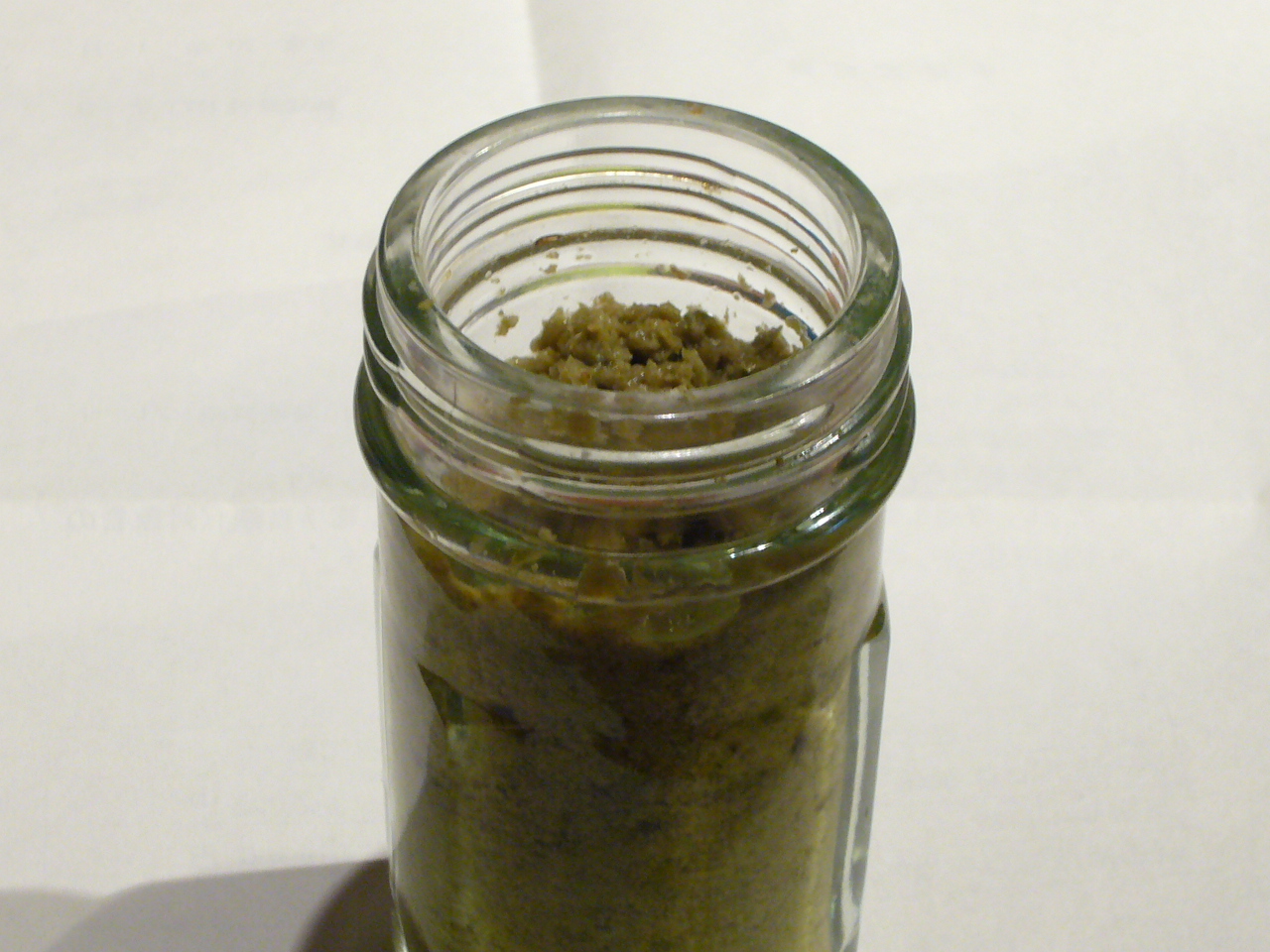 🇯🇵 JapanYuzu koshō柚子胡椒
A fermented Japanese paste of chili peppers and yuzu citrus peel.Paste · Hot and fiery · Citrus and bright
🇯🇵 JapanYuzu koshō柚子胡椒
A fermented Japanese paste of chili peppers and yuzu citrus peel.Paste · Hot and fiery · Citrus and bright
 🇯🇵 JapanKarashiからし
A potent Japanese mustard made from brown mustard seeds, served as a sharp condiment.Seed · Hot and fiery · Sharp and pungent
🇯🇵 JapanKarashiからし
A potent Japanese mustard made from brown mustard seeds, served as a sharp condiment.Seed · Hot and fiery · Sharp and pungent
 🇱🇾 Libya and 1 morePilpelchumaפלפלצ'ומה
A steamed chili and garlic paste from Libyan Jewish cuisine, now common in Israel.Hot and fiery · Sharp and pungent
🇱🇾 Libya and 1 morePilpelchumaפלפלצ'ומה
A steamed chili and garlic paste from Libyan Jewish cuisine, now common in Israel.Hot and fiery · Sharp and pungent