
Wattleseed
Acacia
The edible seed of Australian Acacia trees, traditionally ground into flour by Aboriginal Australians.
These seeds come from over a hundred species of Acacia native to Australia. They are traditionally processed into a flour that tastes like chocolate and coffee, used in breads, desserts, and modern health foods.
- Seeds from over 120 Australian Acacia species.
- Traditionally ground into flour for bush bread.
- Tastes like chocolate, coffee, and hazelnuts.
- Specialized stone grinders date back 1,000 years.
- Low glycemic index makes it good for diabetics.
What is Wattleseed?
Wattleseed refers to the edible kernels found inside the pods of various Acacia trees across Australia. There are more than one hundred species that provide these seeds. Indigenous people have eaten them for generations, either cooking them fresh or drying them to mill into flour. The resulting powder has a distinct profile reminiscent of roasted nuts, dark chocolate, and coffee. It serves as a versatile ingredient in both traditional bush bread and contemporary culinary applications.
Where does Wattleseed come from?
This spice originates from Australia, where it was a staple for Aboriginal communities. While its use is ancient, specialized stone grinders for processing the hard seeds only appeared about a thousand years ago. After British colonization began, consumption declined but did not disappear entirely. By the early nineteenth century, European settlers recognized the tannin content in these plants and started planting them as crops within the British Empire, spreading their cultivation beyond their natural range.
What does Wattleseed taste like?
The taste is often described as having notes of chocolate, coffee, and hazelnut. This earthy and sweet profile makes it suitable for both savory and sweet dishes. The flavor comes naturally from the seed itself, which requires specific preparation methods like parching at high temperatures or soaking to reduce toxicity and unlock its edible qualities before grinding.
How Wattleseed is grown and processed
Acacia trees are perennial woody plants that can grow quite large, reaching four meters in height and five meters across. Their size makes harvesting difficult, requiring strategies like shaking the branches to dislodge pods or stripping them by hand. Farmers may plant them in alleys or use them as windbreaks. Some species need two to four years before they begin flowering and producing seeds. Water stress can actually encourage flowering if nutrients are present.
Wattleseed, drawn
How Wattleseed is used
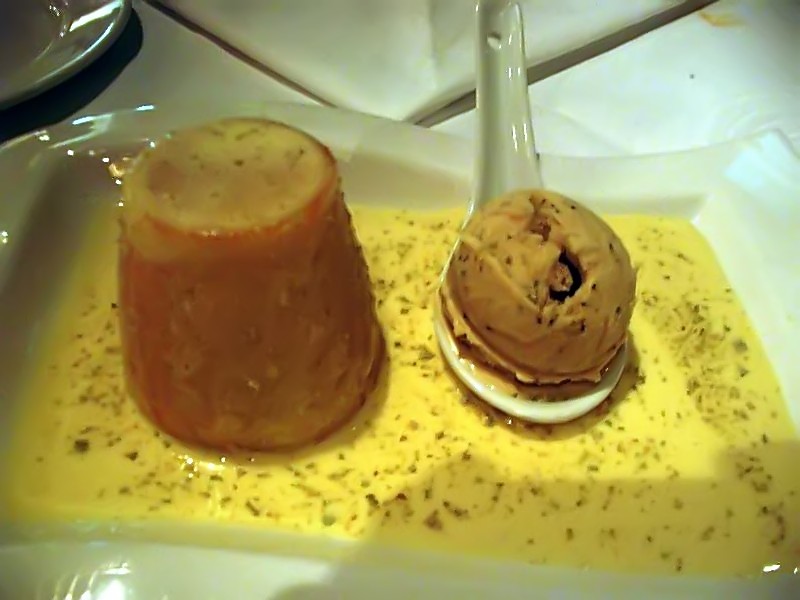
Chefs and home cooks use the milled flour to enhance sauces, dairy desserts, ice cream, granola, and bread. It is also added directly to chocolate and coffee products. Traditionally, it was ground into a flour to make bush bread. Modern usage highlights its nutritional value, particularly its low glycemic index, making it a popular choice for diabetic-friendly foods and health-conscious baking.
Wattleseed in the world's kitchens
Aboriginal Australians are the primary traditional users of wattleseed, utilizing it as a foundational food source. In modern times, Australian cuisine has embraced it due to its local origin and nutritional benefits. Historically, other regions like Niger and South Africa grew specific Acacia species for their seeds during the colonial era, though these uses were largely driven by tannin extraction rather than culinary application.
At a glance: where it turns up
Traditional and medicinal use
Aboriginal Australians traditionally prepared the seeds by parching them at high temperatures, soaking them, or cracking them using specialized stone grinders. These steps were necessary to lower toxicity and make the seeds safe to eat. The flour was then used to create bush bread, a staple food item. Today, it is valued in traditional medicine contexts for its dietary properties, such as being suitable for diabetic diets due to its low glycemic impact.
The trade in Wattleseed
Commercial interest in wattleseed has grown recently in Australia due to its nutritional profile and hardiness. Species like Acacia murrayana and A. victoriae are studied for large-scale production. Historically, the trade expanded globally when the British Empire established plantation crops of certain Acacia species in places like Niger and South Africa, primarily for their tannin content rather than as a food commodity.
Meal
The flour is commonly incorporated into breakfast items like granola and bread. It is also a favorite for desserts, including ice cream and creamy dairy treats. Because of its nutty and chocolate-like taste, it fits well into snack preparations and sweet baked goods, offering a unique twist on familiar morning and afternoon foods.
Questions people ask about Wattleseed
What does wattleseed taste like?
It has a distinct flavor profile resembling chocolate, coffee, and hazelnuts. This earthy and sweet taste makes it versatile for both savory sauces and sweet desserts like ice cream and bread.
Where does wattleseed come from?
It comes from Australia, specifically from the seeds of various Acacia trees. Aboriginal Australians have traditionally used these seeds as a food source for thousands of years.
How is wattleseed prepared?
The seeds often require pre-treatment to reduce toxicity. Traditional methods include parching at high temperatures, soaking, or cracking them with specialized stone grinders before milling them into flour.
Is wattleseed healthy?
Yes, it is known for its high nutritional content and low glycemic index. This makes it suitable for incorporation into foods designed for people with diabetes or those seeking low-sugar options.
Good reading and sources
- Wattleseed on WikipediaEncyclopedia
- More photos on Wikimedia CommonsPhotos and video
- Wikidata recordOpen data
The facts on this page come from the Wikipedia article "Wattleseed", written by its contributors and used under the CC BY-SA 4.0 licence, and from its Wikidata record (CC0). EveryMasala rewrote the text in its own words, with AI assistance, and compares every page with the article to make sure no passage is copied. It may be reused under the same CC BY-SA 4.0 licence with a link back.
It may contain mistakes. Names, strengths and customs differ from one grower, kitchen or shop to the next. Traditional and medicinal uses are described as tradition, never as medical advice, and none of this is a substitute for a doctor. If something is wrong, tell us. Last refreshed 2026-10-04.
More from Australia
All the spices of Australia 🇦🇺 AustraliaBush tomatokutjera
The dried fruit of a native Australian nightshade shrub, traditionally eaten by Aboriginal peoples.Fruit · Sweet and mellow · Earthy and deep
🇦🇺 AustraliaBush tomatokutjera
The dried fruit of a native Australian nightshade shrub, traditionally eaten by Aboriginal peoples.Fruit · Sweet and mellow · Earthy and deep
 🇦🇺 Australia and 3 moreSeasoned salt
A dry mix of salt and spices used to flavour fried foods and meats.Savoury and umami
🇦🇺 Australia and 3 moreSeasoned salt
A dry mix of salt and spices used to flavour fried foods and meats.Savoury and umami
 🇦🇺 Australia and 1 moreMountain pepper
The dried berry of an Australian shrub, used as a peppery condiment and wasabi substitute.Fruit · Hot and fiery · Sweet and mellow
🇦🇺 Australia and 1 moreMountain pepper
The dried berry of an Australian shrub, used as a peppery condiment and wasabi substitute.Fruit · Hot and fiery · Sweet and mellow
 🇦🇺 AustraliaDorrigo pepper
The wild-harvested berry and leaf of an Australian shrub, known for its peppery heat.Fruit · Hot and fiery · Warm and sweet-spiced
🇦🇺 AustraliaDorrigo pepper
The wild-harvested berry and leaf of an Australian shrub, known for its peppery heat.Fruit · Hot and fiery · Warm and sweet-spiced
Its cousins elsewhere
All seed 🇲🇽 Mexico and 5 moreAnnatto
The orange-red pigment from achiote seeds used as a natural food coloring and mild spice.Seed · Earthy and deep · Sweet and mellow
🇲🇽 Mexico and 5 moreAnnatto
The orange-red pigment from achiote seeds used as a natural food coloring and mild spice.Seed · Earthy and deep · Sweet and mellow
 🇮🇳 IndiaChammanthi podi
A dry coconut and spice condiment from Kerala that preserves fresh chutney for months.Hot and fiery · Earthy and deep
🇮🇳 IndiaChammanthi podi
A dry coconut and spice condiment from Kerala that preserves fresh chutney for months.Hot and fiery · Earthy and deep
 🇲🇽 Mexico and 5 morePaprika
A red powder made from dried Capsicum annuum peppers, used to colour and flavour dishes across Europe and the Middle EasSeed · Sweet and mellow · Hot and fiery
🇲🇽 Mexico and 5 morePaprika
A red powder made from dried Capsicum annuum peppers, used to colour and flavour dishes across Europe and the Middle EasSeed · Sweet and mellow · Hot and fiery
 🇮🇳 India and 3 moreGaram masalaगरम मसाला
A ground blend of warm spices from the Indian subcontinent used to finish curries and stews.Blend · Warm and sweet-spiced · Sharp and pungent
🇮🇳 India and 3 moreGaram masalaगरम मसाला
A ground blend of warm spices from the Indian subcontinent used to finish curries and stews.Blend · Warm and sweet-spiced · Sharp and pungent