
Lunumiris
In its own language: ලුණු මිරිස්
A traditional Sri Lankan condiment of ground chillies and salt
Lunumiris is a wet sambol from Sri Lanka made by grinding red chillies with salt. The name means salt and chillies in Sinhala. It is served as a side dish with rice dishes like kiribath and appam.
- Name means salt and chillies in Sinhala
- Made with chili, salt, and often Maldives fish
- Served with kiribath and appam
- Ground using mortar and pestle
- Hot and sour flavor profile
What is Lunumiris?
Lunumiris is a spicy paste used as a condiment in Sri Lanka. Its name comes from the Sinhala words for salt and chillies. The traditional version mixes ground chilli powder with sea salt. A common modern variation includes shallots, black pepper, lime juice, and Maldives fish. The mixture is wet and hot, with a slight crispness from the onions. Some people call it katta sambol, but that is a different dish.
Where does Lunumiris come from?
This condiment originates in Sri Lanka. The word lunumiris translates directly to salt and chillies. The original recipe was simple, using only chili powder and salt. Over time, ingredients like lime juice and fish were added to create more complex versions. The name reflects its basic salty and spicy nature.
What does Lunumiris taste like?
The taste is primarily hot from the chili peppers. Salt balances the heat, while lime juice adds a sour note. Shallots provide a sharp bite and texture. Maldives fish adds a savory depth. The combination creates a strong, pungent flavor profile typical of island cooking.
How Lunumiris is grown and processed
Chili peppers are grown in warm climates. They are harvested when ripe and dried or used fresh. For the paste, ingredients are ground together. Traditionally, a mortar and pestle or grind stone is used. This method releases oils and ensures a smooth texture. Using hands is possible but does not give the same taste.
Lunumiris, drawn
How Lunumiris is used
Lunumiris is eaten as a side dish with many foods. It pairs well with kiribath, which is milk rice. It is also served with appam, bread, roti, and plain rice. The paste adds heat and flavor to mild starches. It can be adjusted to be vegetarian by omitting the fish.
Lunumiris in the world's kitchens
Sri Lankan cuisine relies on this condiment heavily. It is found in homes and eateries across the island. The use of Maldives fish connects it to regional trade history. Different households may adjust the spice level or add extra lime.
At a glance: where it turns up


Spiritual and ceremonial use
There are no specific religious rituals associated with lunumiris. It is a everyday food item rather than a ceremonial offering.
Lunumiris at celebrations
It is part of daily life rather than special festivals. It accompanies regular meals without specific holiday ties.
Traditional and medicinal use
It is purely a culinary condiment.
What to use instead of Lunumiris
Katta sambol is sometimes confused with lunumiris, but they are distinct. Katta sambol contains shallots, fish, and lime juice, making it more complex.
The trade in Lunumiris
Maldives fish is an ingredient, indicating historical trade links. However, specific trade routes or monopolies for the condiment itself are not detailed.
Meal
It is commonly eaten at breakfast with milk rice or appam. It serves as a lunch or dinner accompaniment. It is also used as a snack or street food topping. Its versatility allows it to accompany almost any meal.
Questions people ask about Lunumiris
What is lunumiris?
It is a Sri Lankan condiment made from ground chillies and salt. It forms a wet paste that is spicy and sour. It is traditionally served alongside rice dishes like kiribath and appam.
Where does it come from?
Lunumiris originates in Sri Lanka. The name is derived from the Sinhala language. It is a staple condiment in local households and street food stalls.
How does it taste?
It tastes hot due to the chili peppers. Salt enhances the spice, while lime juice adds acidity. Shallots and fish contribute savory and sharp notes.
Is it the same as katta sambol?
No, they are different. Katta sambol includes shallots, Maldives fish, black pepper, and lime juice. Lunumiris is simpler, focusing on chili and salt.
Good reading and sources
The facts on this page come from the Wikipedia article "Lunumiris", written by its contributors and used under the CC BY-SA 4.0 licence, and from its Wikidata record (CC0). EveryMasala rewrote the text in its own words, with AI assistance, and compares every page with the article to make sure no passage is copied. It may be reused under the same CC BY-SA 4.0 licence with a link back.
It may contain mistakes. Names, strengths and customs differ from one grower, kitchen or shop to the next. Traditional and medicinal uses are described as tradition, never as medical advice, and none of this is a substitute for a doctor. If something is wrong, tell us. Last refreshed 2026-10-04.
More from Sri Lanka
All the spices of Sri Lanka 🇮🇳 India and 4 moreBasil
A tender culinary herb with glossy leaves and a licorice-like aroma, native to tropical Asia.Leaf · Anise and liquorice · Warm and sweet-spiced
🇮🇳 India and 4 moreBasil
A tender culinary herb with glossy leaves and a licorice-like aroma, native to tropical Asia.Leaf · Anise and liquorice · Warm and sweet-spiced
 🇱🇰 Sri Lanka and 5 moreCinnamon
The dried inner bark of Cinnamomum trees, prized for its sweet warmth and essential oil.Bark · Warm and sweet-spiced · Sweet and mellow
🇱🇰 Sri LankaThuna pahaතුන පහ
A Sri Lankan unroasted curry powder made from cumin, fennel, and coriander seeds.Warm and sweet-spiced · Sharp and pungent
🇱🇰 Sri Lanka and 5 moreCinnamon
The dried inner bark of Cinnamomum trees, prized for its sweet warmth and essential oil.Bark · Warm and sweet-spiced · Sweet and mellow
🇱🇰 Sri LankaThuna pahaතුන පහ
A Sri Lankan unroasted curry powder made from cumin, fennel, and coriander seeds.Warm and sweet-spiced · Sharp and pungent
 🇮🇳 India and 2 moreWild turmericKasthuri Manjal
A South Asian rhizome with a musky scent, used for colouring and skin care.Root · Warm and sweet-spiced
🇮🇳 India and 2 moreWild turmericKasthuri Manjal
A South Asian rhizome with a musky scent, used for colouring and skin care.Root · Warm and sweet-spiced
Its cousins elsewhere
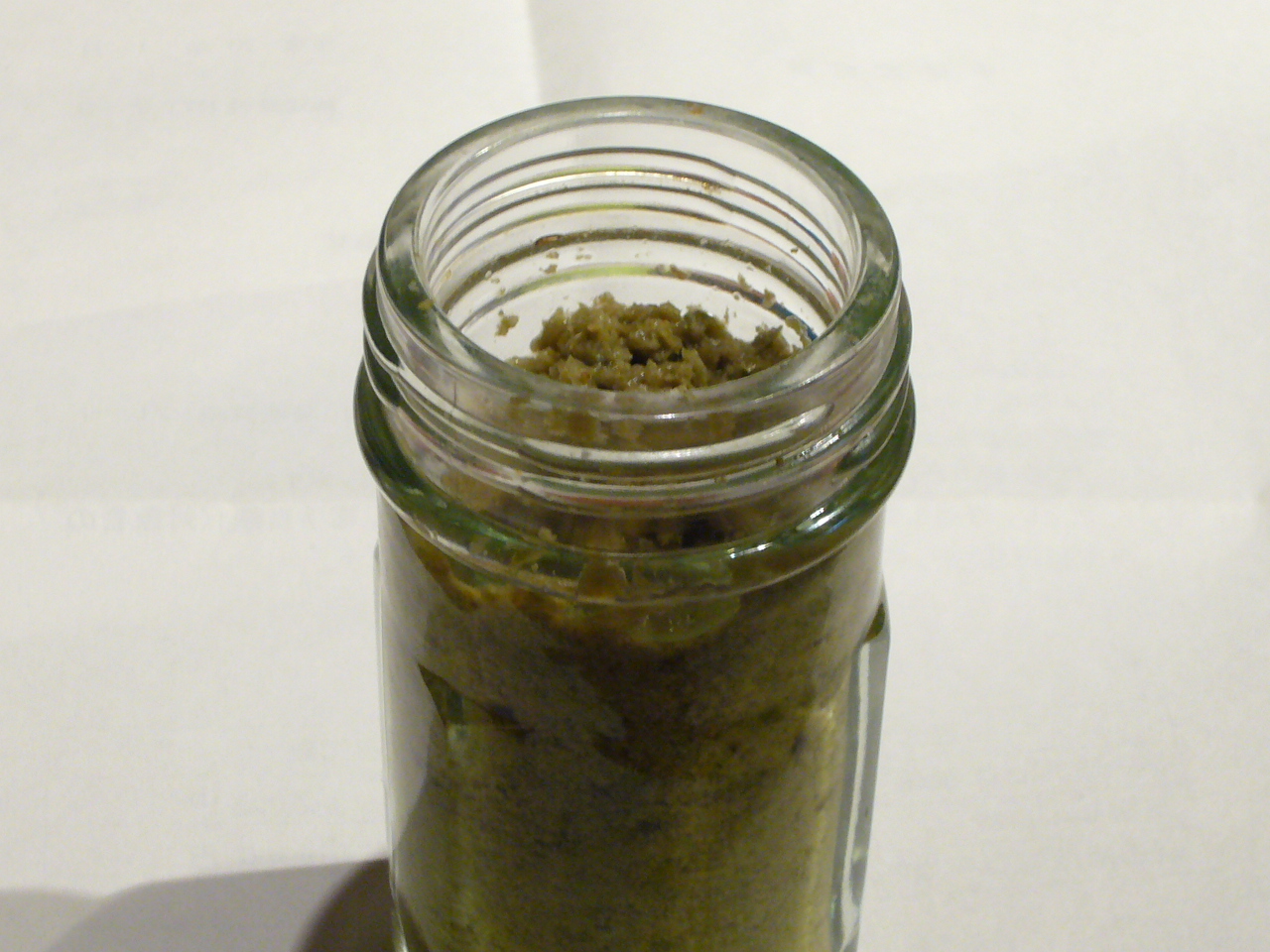 🇯🇵 JapanYuzu koshō柚子胡椒
A fermented Japanese paste of chili peppers and yuzu citrus peel.Paste · Hot and fiery · Citrus and bright
🇯🇵 JapanYuzu koshō柚子胡椒
A fermented Japanese paste of chili peppers and yuzu citrus peel.Paste · Hot and fiery · Citrus and bright
 🇮🇹 Italy and 5 moreMustard
A pungent paste made from ground mustard seeds mixed with liquid and spices.Paste · Sharp and pungent · Hot and fiery
🇮🇹 Italy and 5 moreMustard
A pungent paste made from ground mustard seeds mixed with liquid and spices.Paste · Sharp and pungent · Hot and fiery
 🇵🇪 Peru and 5 moreChili pepperchīlli
The pungent berry of the Capsicum plant, used to add heat to dishes worldwide.Fruit · Hot and fiery · Earthy and deep
🇵🇪 Peru and 5 moreChili pepperchīlli
The pungent berry of the Capsicum plant, used to add heat to dishes worldwide.Fruit · Hot and fiery · Earthy and deep
 🇯🇵 JapanKarashiからし
A potent Japanese mustard made from brown mustard seeds, served as a sharp condiment.Seed · Hot and fiery · Sharp and pungent
🇯🇵 JapanKarashiからし
A potent Japanese mustard made from brown mustard seeds, served as a sharp condiment.Seed · Hot and fiery · Sharp and pungent