Hindu: spices in ritual
Turmeric and kumkum at the puja, incense, camphor and the prasad of the temple.
In Hindu practice, spices appear in worship, in festival food and in the kitchen, and several, especially turmeric, are described by many practitioners as auspicious. Customs differ widely by region, family and sect.
In worship
Turmeric and kumkum, a red powder often made from turmeric, are applied to images and to the forehead in many households. Sandalwood paste, camphor, incense and cloves or cardamom are offered at puja in some traditions. Practice varies by temple and family.
In food and festivals
Offerings of food, called prasad, are often sweet and spiced with cardamom or saffron. During Navratri and other fasts, many observers use only certain spices, such as rock salt, cumin and black pepper, in line with the rules of the fast they keep. Satvik cooking, followed by some, avoids onion and garlic, and often uses asafoetida in their place.
In ceremony
Turmeric is applied in the haldi ceremony before many weddings and is tied to a thread in some rites. Spices, rice and betel leaf appear in rituals marking births, marriages and remembrance. Those who keep these customs describe them as expressions of blessing and purity.
Hindu on EveryMasala
The spices written up so far, best known first.
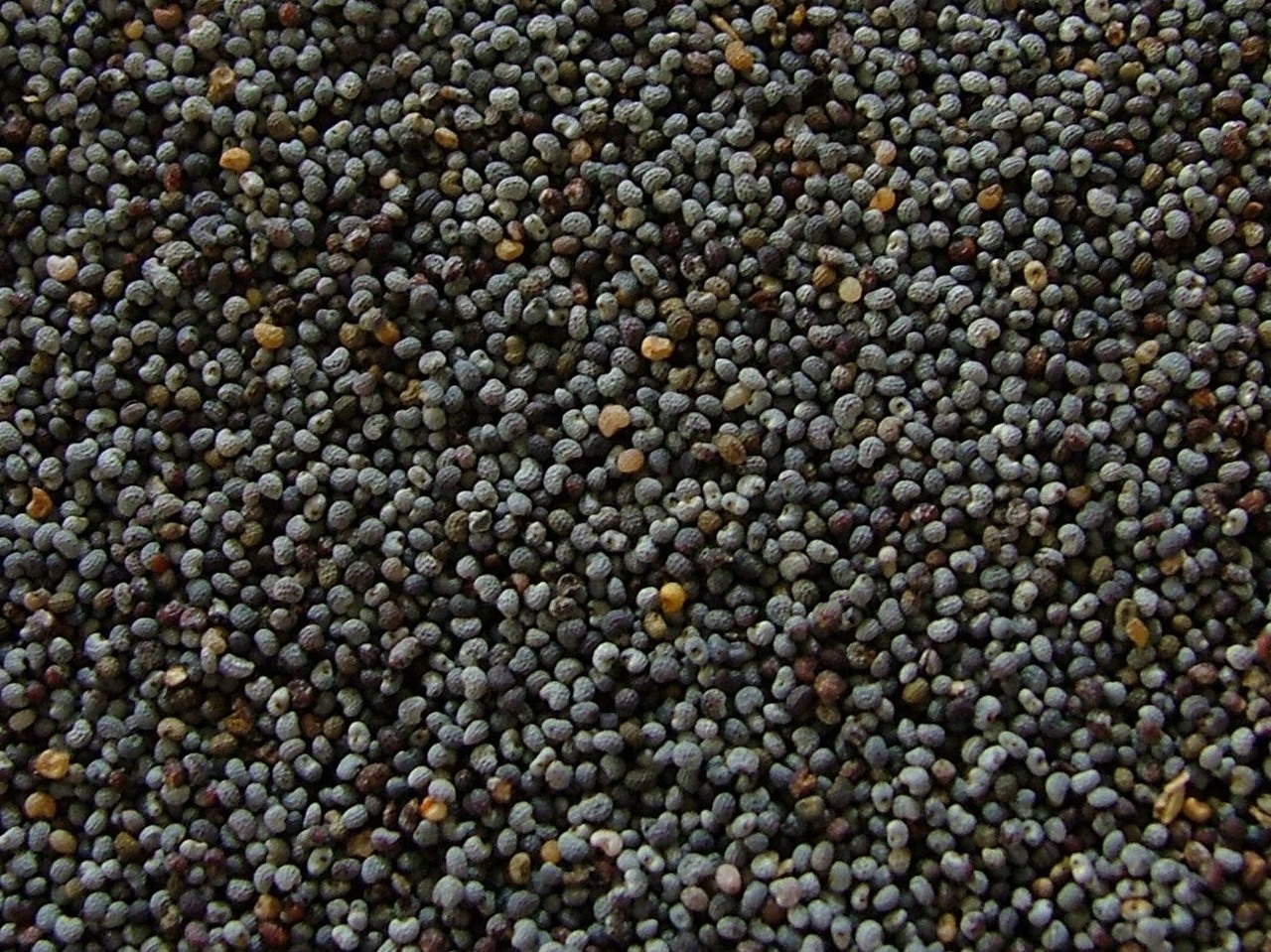 🇹🇷 Turkey and 5 morePoppy seed
The tiny kidney-shaped oilseed of the opium poppy, used in baking and cooking across Europe and South Asia.Seed · Earthy and deep
🇹🇷 Turkey and 5 morePoppy seed
The tiny kidney-shaped oilseed of the opium poppy, used in baking and cooking across Europe and South Asia.Seed · Earthy and deep
 🇮🇳 India and 5 moreMustard seed
Tiny seeds from Brassica plants that become a sharp condiment or cooking oil.Seed · Sharp and pungent · Hot and fiery
🇮🇳 India and 5 moreMustard seed
Tiny seeds from Brassica plants that become a sharp condiment or cooking oil.Seed · Sharp and pungent · Hot and fiery
 🇬🇳 Guinea and 5 moreGrains of paradise
The pungent, citrus-tinged seeds of a West African ginger relative.Seed · Sharp and pungent · Hot and fiery
🇬🇳 Guinea and 5 moreGrains of paradise
The pungent, citrus-tinged seeds of a West African ginger relative.Seed · Sharp and pungent · Hot and fiery
 🇸🇾 Syria and 5 moreSumac
A tart, crimson spice made from ground berries of the Rhus coriaria shrub.Seed · Sour and tart · Citrus and bright
🇸🇾 Syria and 5 moreSumac
A tart, crimson spice made from ground berries of the Rhus coriaria shrub.Seed · Sour and tart · Citrus and bright
 🇮🇳 India and 5 moreMustard seed
Tiny seeds from three Brassica plants that create pungent condiments and cooking oil.Seed · Hot and fiery · Sharp and pungent
🇮🇳 India and 5 moreMustard seed
Tiny seeds from three Brassica plants that create pungent condiments and cooking oil.Seed · Hot and fiery · Sharp and pungent
Photo credits on this page
The small pictures above come from Wikimedia Commons under free licences. Some are cropped to fit.
- Sicilian sumac: Dedda71, CC BY-SA 3.0, source
- Mustard seed: Novalis at en.wikipedia, CC BY-SA 3.0, source
- Poppy seed: Odedr, Public domain, source
- Grains of paradise: Lemmikkipuu, CC BY-SA 3.0, source
- Mustard seed: Pancrat, CC BY-SA 3.0, source