Sunday
The roast, the Italian-American Sunday sauce, the Indian Sunday mutton curry and the Sunday-best table in many lands.
Sunday is the day of the long, slow family meal in much of the world. It is the Christian day of rest, the day of the Hindu sun-god Surya, and the day when cooking slows down. Many of the world's best-known family dishes, from the Sunday roast to the pot of mutton, are tied to it and have a well-defined spice profile.
The British Sunday roast
The roast is seasoned with salt, black pepper, mustard (English mustard powder is a spice in itself), horseradish for beef, mint for lamb and sage for pork, and ends with an apple crumble or spiced pudding with cinnamon or nutmeg. The tradition began as a meat put in the oven before church and left to cook while the family was out.
Sunday sauce and gravy
In Italian-American families, Sunday means a pot of tomato sauce, called "gravy" in some communities, cooked for hours with meatballs, sausage and braciole, seasoned with garlic, basil, black pepper, red pepper flakes and fennel seed. The pot is a way of gathering the whole family at one table.
Sunday mutton in India
Across North and East India, Sunday is the day for meat, with mutton or chicken curry cooked slowly with a ground masala, a pot of mutton biryani or Bengali kosha mangsho, with garam masala, cumin and red chilli. In parts of the south, the Sunday fish curry is cooked with tamarind, kokum and coconut. Many households that avoid meat on other days make an exception.
Sunday in Latin America and Africa
Sunday lunch might be sancocho in Colombia and the Dominican Republic with cumin, coriander and oregano, feijoada in Brazil, or jollof rice and stew in Nigeria with thyme, curry powder and scotch bonnet. In Jamaica, rice and peas with thyme and allspice is the Sunday staple. The Sunday meal is also the day of church clothes and good plates.
The spices



Written by the EveryMasala desk with AI assistance. Customs differ by community and family, and are described here as tradition, not instruction. If this is your tradition and we have it wrong, tell us.
Photo credits on this page
The small pictures above come from Wikimedia Commons under free licences. Some are cropped to fit.
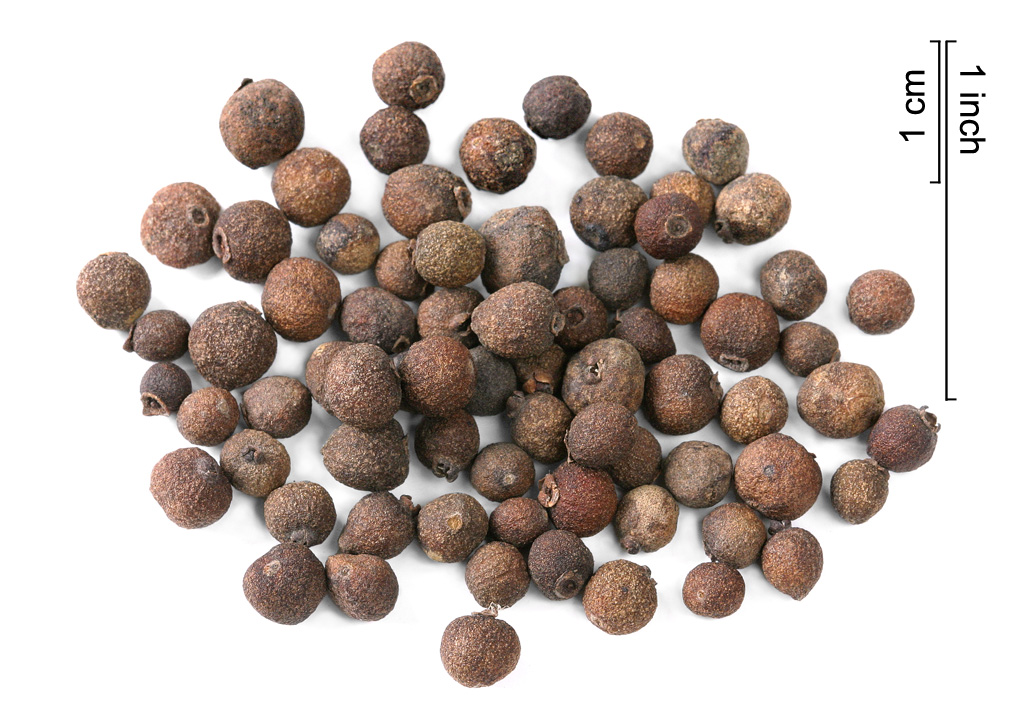
- Allspice: Unknown author, CC BY 2.5, source
- Cumin: Sanjay Acharya, CC BY-SA 3.0, source
- Garam masala: Miansari66, Public domain, source
- Mustard seed: Pancrat, CC BY-SA 3.0, source
- Fennel: Elekes Andor, CC BY 4.0, source