Tuesday
The day of Hanuman and Durga for many Hindus, a vrat day with sendha namak and jaggery, and Shrove Tuesday in the West.
For many Hindu families Tuesday (Mangalvar) belongs to Hanuman and, in some regions, to the goddess Durga, and it is a common day for a vrat, a vow or fast. Elsewhere, Tuesday is best known as Shrove Tuesday, the feast before Lent. In both cases it is a day shaped by an upcoming or ongoing restraint.
Mangalvar vrat
Devotees of Hanuman who keep a Tuesday fast often eat once a day, avoiding salt in some households or using only rock salt. Offerings at Hanuman temples include boondi ladoo, chana and jaggery, and sweets flavoured with cardamom. Food is cooked without onion and garlic in many homes and seasoned with cumin, black pepper and ginger.
Red lentils and the colour red
Red is the colour of the day, and in North Indian folk practice, masoor dal and red foods are sometimes cooked. The practice is a custom of association, not a rule, and the spicing is simple: turmeric, cumin and a tempering of dried red chilli.
Shrove Tuesday and Fat Tuesday
In Europe and the Americas, Tuesday before Ash Wednesday was the day to use up eggs, fat and sugar. Pancakes with lemon, Swedish semlor with cardamom and the king cake of New Orleans with cinnamon are examples. Spice made the last rich meal feel special before the forty days of simpler fare.
The spices


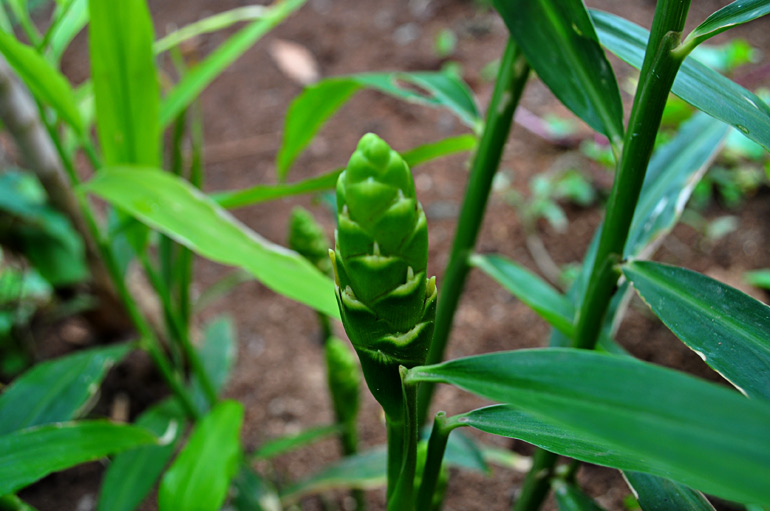
Written by the EveryMasala desk with AI assistance. Customs differ by community and family, and are described here as tradition, not instruction. If this is your tradition and we have it wrong, tell us.
Photo credits on this page
The small pictures above come from Wikimedia Commons under free licences. Some are cropped to fit.
- Cinnamon: Luc Viatour, CC BY-SA 3.0, source
- Cumin: Sanjay Acharya, CC BY-SA 3.0, source
- Ginger: Venkatx5, CC BY-SA 3.0, source
- Cardamom: Didier Descouens, CC BY-SA 4.0, source