Regional blends
Panch phoron
Bengali five-seed whole spice mix of fenugreek, nigella, mustard, cumin and fennel.
Presented by ClearTrust Free for cooks, makers and the curious.
Panch phoron means five spices. It is a whole-seed mixture used in Bengal, Bangladesh, Odisha and parts of Assam and Nepal. It is cooked briefly in hot oil at the start of a dish and is not ground.
What goes in
- Cumin222%, Earthy.
- Fennel seed222%, Sweet.
- Brown mustard222%, Sharp.
- Nigella222%, Oniony.
- Fenugreek seed111%, Bitter, in small amount.
Parts by volume of the whole spice. The ring shows each part's share.
Made step by step
Each drawing shows the operation for that step. Ratios and timings differ from house to house; this is one traditional-style way.
Step 1: Blend Measure the five seeds in equal parts, with fenugreek a little less. Step 2: Blend Mix well by hand and keep the seeds whole. Step 3: Temper Heat oil or ghee until it shimmers. Step 4: Temper Add a spoonful of the mix and let it crackle for ten seconds. Step 5: Bloom Add vegetables or lentils to the oil straight away. Step 6: Store Keep the rest in a closed jar. Finished Panch phoron, by share.
The five
The seeds are traditionally fenugreek, nigella, brown mustard, cumin and fennel, often in equal parts. Fenugreek is used lightly because it can turn a dish bitter. Some cooks swap in wild celery or radhuni seed.
In the kitchen
The seeds crackle as they hit the oil, which releases their flavour into it. It is used with lentils, leafy greens, fish curries, vegetable dishes and chutneys. It is not usually part of a garam masala.
Where it is used
The spices in it



More on EveryMasala
No spices here yet. New pages are added every day.
Sources and further reading
Original text and drawings by the EveryMasala desk, written with AI assistance and checked against the sources above. The shares are an illustrative, traditional-style ratio, not a standard: every family and maker blends differently. If we have something wrong, tell us.
Photo credits on this page
The small pictures above come from Wikimedia Commons under free licences. Some are cropped to fit.
- Black cumin: AndreHolz at English Wikipedia, CC BY-SA 3.0, source
- Fennel: Elekes Andor, CC BY 4.0, source
- Cumin: Sanjay Acharya, CC BY-SA 3.0, source
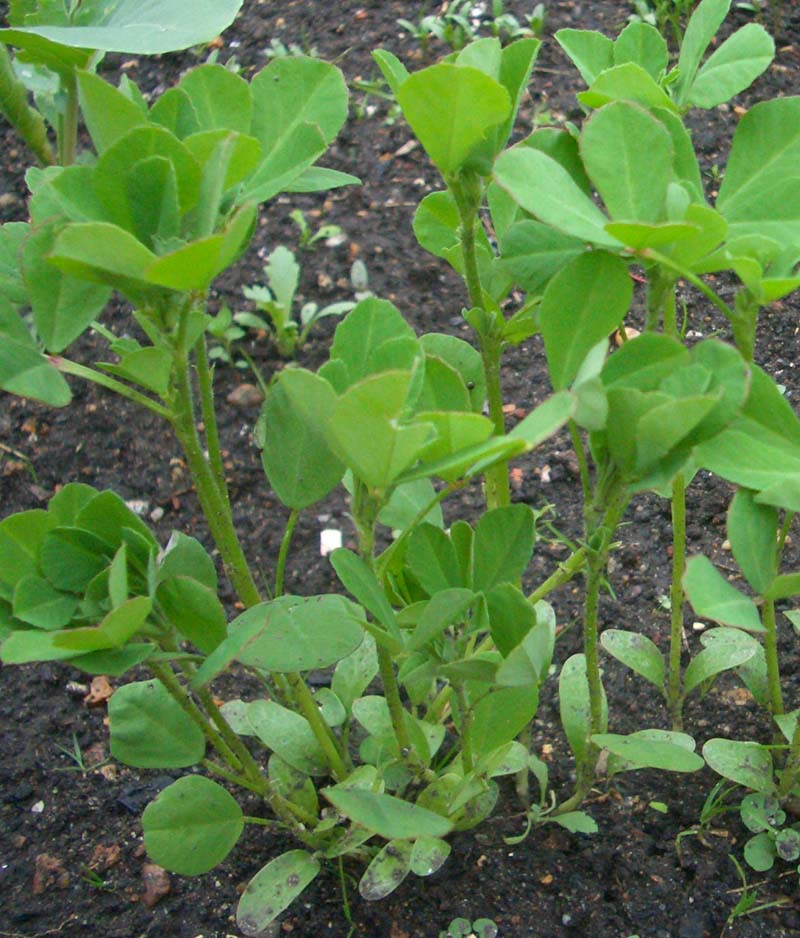
- Fenugreek: Yak, CC BY-SA 3.0, source
- Mustard seed: Pancrat, CC BY-SA 3.0, source