Seeds
Cumin, coriander, mustard, fennel, nigella and sesame: small and hard, toasted whole or ground fresh.
Seeds are the most common form of spice. Cumin, coriander, mustard, fennel, fenugreek, nigella and sesame are all seeds, kept whole for months and ground or toasted when needed.
What they are
A spice seed is the dried ripe seed of a plant, often from the carrot, mustard or legume families. Some, such as cumin and fennel, are really dry fruits that hold a seed, but they are sold and used as seeds. Their oils sit inside a hard coat, which is why whole seeds keep their aroma well.
How they are used
Cooks toast seeds in a dry pan, fry them in hot oil or ghee in a tempering, or grind them into powder. Mustard seeds pop in hot oil, cumin turns nutty, and coriander becomes sweeter when toasted. Seeds are also pressed for oil, as with mustard and sesame.
Buying and keeping
Buy whole seeds and grind small amounts. Keep them in a closed jar away from light and heat. They keep their character for a year or more, while ground seed fades within months. A good seed smells strong when rubbed between the fingers.
Seed on EveryMasala
The spices written up so far, best known first.
 🇮🇹 Italy and 5 moreMustard
A pungent paste made from ground mustard seeds mixed with liquid and spices.Paste · Sharp and pungent · Hot and fiery
🇮🇹 Italy and 5 moreMustard
A pungent paste made from ground mustard seeds mixed with liquid and spices.Paste · Sharp and pungent · Hot and fiery
 🇹🇷 Turkey and 2 moreMahleb
A ground cherry seed used to sweeten Middle Eastern baked goods with an almond-cherry note.Seed · Sweet and mellow · Bitter
🇹🇷 Turkey and 2 moreMahleb
A ground cherry seed used to sweeten Middle Eastern baked goods with an almond-cherry note.Seed · Sweet and mellow · Bitter
 🇹🇷 Turkey and 5 moreBlack cumin
The tiny black seed of a wild annual flower, used across the Middle East and South Asia.Seed · Sharp and pungent · Herbal and green
🇹🇷 Turkey and 5 moreBlack cumin
The tiny black seed of a wild annual flower, used across the Middle East and South Asia.Seed · Sharp and pungent · Herbal and green
 🇬🇪 Georgia and 1 moreBlue fenugreekუცხო სუნელი
The blue-flowered annual herb that seasons Georgian stews and Swiss cheeseSeed · Earthy and deep · Bitter
🇬🇪 Georgia and 1 moreBlue fenugreekუცხო სუნელი
The blue-flowered annual herb that seasons Georgian stews and Swiss cheeseSeed · Earthy and deep · Bitter
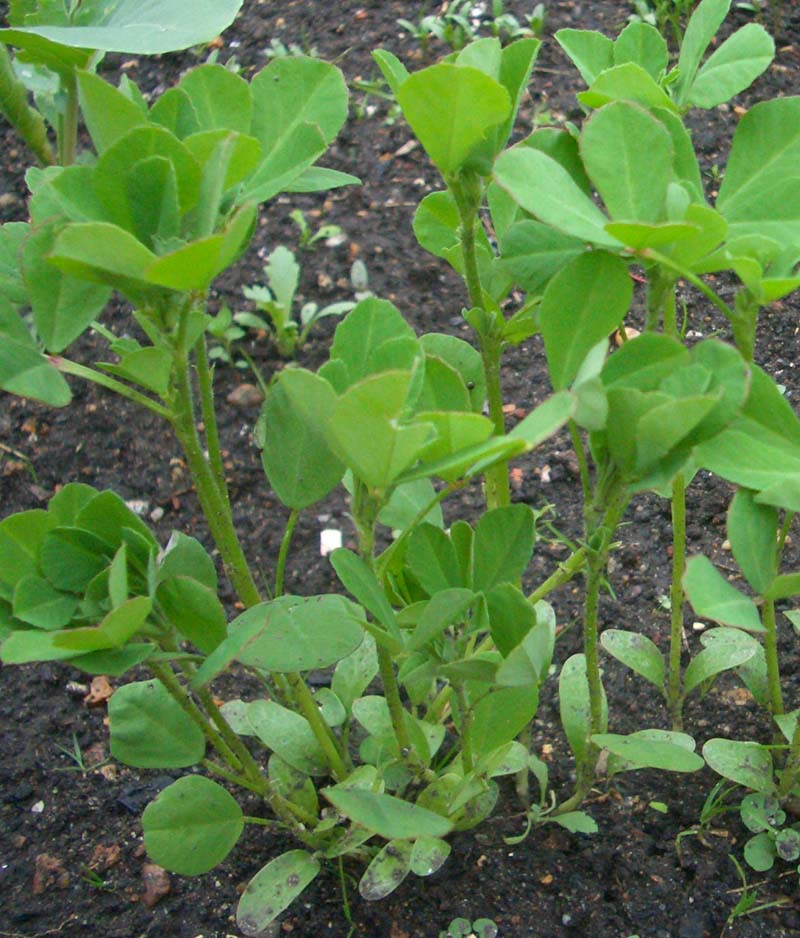 🇮🇳 India and 5 moreFenugreekحلبة (hilba)
The cuboid seed of an annual legume, prized for its bitter warmth and maple aroma.Seed · Bitter · Warm and sweet-spiced
🇮🇳 India and 5 moreFenugreekحلبة (hilba)
The cuboid seed of an annual legume, prized for its bitter warmth and maple aroma.Seed · Bitter · Warm and sweet-spiced
Photo credits on this page
The small pictures above come from Wikimedia Commons under free licences. Some are cropped to fit.
- Black cumin: AndreHolz at English Wikipedia, CC BY-SA 3.0, source
- Blue fenugreek: Flyout, CC BY-SA 3.0, source
- Mahleb: Steve Hurst @ USDA-NRCS PLANTS Database, Public domain, source
- Mustard: Rainer Zenz, CC BY-SA 3.0, source
- Fenugreek: Yak, CC BY-SA 3.0, source