
Mahleb
Prunus mahaleb
A ground cherry seed used to sweeten Middle Eastern baked goods with an almond-cherry note.
This spice comes from the kernel inside the stone of the Mahaleb cherry. It offers a taste like bitter almonds mixed with fruit. Bakers use it sparingly in cakes and breads across the Middle East.
- Made from the kernel inside the Mahaleb cherry stone.
- Tastes like a mix of bitter almonds and cherries.
- Used in Greek holiday breads like Christopsomo.
- Flavors Turkish poğaça and Arabic ma'amoul.
- Recipes date back to ancient Sumerian times.
What is Mahleb?
Mahleb is a spice derived from the inner kernel of the Mahaleb cherry stone. The hard outer shell must be cracked open to retrieve the soft, chewy seed inside. This seed is then dried and ground into a fine powder. The resulting spice has a distinct aroma and taste profile that resembles marzipan. It combines the nutty depth of bitter almonds with the fruity sweetness of cherries. Cooks add only small amounts because the flavor is potent and concentrated.
Where does Mahleb come from?
The use of this spice dates back to ancient Sumer, where recipes mentioned the fruit or seed known as ḫalub. For centuries, it has been a staple flavoring in the Middle East and surrounding regions. While deeply rooted in local traditions, it has only recently begun appearing in mainstream English-language cookbooks. Its long history suggests it was valued for its unique ability to elevate simple baked goods.
What does Mahleb taste like?
The primary taste notes are sweet and nutty, closely mimicking marzipan. It carries the characteristic bitterness of almonds alongside a bright cherry undertone. This combination creates a complex yet familiar sweetness that enhances desserts without overpowering them. The aroma is equally fragrant, releasing those almond-cherry scents when heated in the oven.
How Mahleb is grown and processed
The spice comes from Prunus mahaleb, also called the St Lucie cherry. Harvesters collect the mature fruits and separate the hard stones. These stones are carefully cracked to extract the delicate kernels inside. The kernels are then dried and milled into a powder. This processing ensures the volatile oils remain intact for maximum flavor impact in the final dish.
Mahleb, drawn
How Mahleb is used
Bakers incorporate this powder into sweet doughs and cakes. In Greece, it flavors holiday breads like Christopsomo and tsoureki. Turkish cooks use it in poğaça scones and pastries. In the Arabic Middle East, it fills ma'amoul cookies. Egyptian preparations sometimes mix the powder with honey, sesame seeds, and nuts to create a sweet paste eaten as a snack or dessert.
Mahleb in the world's kitchens
Greek cuisine features it in Easter and Christmas breads. Turkish cooking uses it in various pastries and scones. Armenian traditions include it in similar holiday treats. The Arabic Middle East employs it in traditional filled cookies. Each culture adapts the spice to their specific baking styles, but the core almond-cherry flavor remains constant across these regional variations.
At a glance: where it turns up
Spiritual use


Spiritual and ceremonial use
It holds a place in Christian traditions through specific holiday breads. Christopsomo is baked for Christmas, while vasilopita is prepared for New Year's Day. Tsoureki is a key element of Easter celebrations. These loaves often carry symbolic meanings within the faith communities that bake them, linking the spice to sacred times of the year.
Mahleb at celebrations
The spice is essential for major Christian festivals. It flavors the breads made for Christmas, New Year's, and Easter. In Armenian cuisine, the Easter bread is called cheoreg. In Turkish cuisine, it appears in paskalya çöreği. These baked goods mark important communal gatherings and religious observances throughout the region.
Traditional and medicinal use
Ancient Sumerian texts mention the use of this seed, indicating its long-standing culinary role. It is traditionally used to flavor baked goods rather than for medicinal purposes. No specific safety warnings or folk medicine applications are recorded in the available sources. Its primary value remains strictly culinary, enhancing the taste of sweets.
The trade in Mahleb
The spice has been traded and used in the Middle East for centuries. Ancient Sumerian records document its early use. Today, it is slowly gaining recognition in Western markets through English cookbooks. Production remains centered in its native regions, including Turkey and areas around the Middle East. The demand is niche but steady among bakers seeking authentic flavors.
Meal
This spice belongs primarily to the realm of sweets and special occasion foods. It is found in festive breads served during religious holidays. It also appears in everyday pastries and scones. In Egypt, it is part of a sweet paste consumed as a snack or dessert. It is not typically used in savory main courses or breakfast items outside of sweet breads.
Days Mahleb is used for
Questions people ask about Mahleb
What does mahleb taste like?
It tastes like a combination of bitter almonds and cherries, very similar to marzipan. The flavor is sweet and nutty with a distinct fruity undertone.
Where does mahleb come from?
It comes from the seeds inside the stones of the Mahaleb cherry tree. These trees grow in the Middle East and surrounding regions, with historical ties to ancient Sumer.
How is mahleb used in cooking?
It is ground into a powder and added to sweet baked goods. Bakers use it in cakes, scones, and holiday breads across Greek, Turkish, and Arabic cuisines.
Is mahleb used in savory dishes?
No, it is almost exclusively used in sweet applications. It flavors desserts, pastries, and sweet holiday breads, adding a marzipan-like note to sugary treats.
Good reading and sources
- Mahleb on WikipediaEncyclopedia
- More photos on Wikimedia CommonsPhotos and video
- Wikidata recordOpen data
The facts on this page come from the Wikipedia article "Mahleb", written by its contributors and used under the CC BY-SA 4.0 licence, and from its Wikidata record (CC0). EveryMasala rewrote the text in its own words, with AI assistance, and compares every page with the article to make sure no passage is copied. It may be reused under the same CC BY-SA 4.0 licence with a link back.
It may contain mistakes. Names, strengths and customs differ from one grower, kitchen or shop to the next. Traditional and medicinal uses are described as tradition, never as medical advice, and none of this is a substitute for a doctor. If something is wrong, tell us. Last refreshed 2026-10-04.
More from Turkey
All the spices of Turkey 🇹🇷 Turkey and 5 moreBlack cumin
The tiny black seed of a wild annual flower, used across the Middle East and South Asia.Seed · Sharp and pungent · Herbal and green
🇹🇷 Turkey and 5 moreBlack cumin
The tiny black seed of a wild annual flower, used across the Middle East and South Asia.Seed · Sharp and pungent · Herbal and green
 🇬🇷 Greece and 1 moreMasticΜαστίχα
A bitter-sweet resin from the mastic tree, used in desserts and traditional medicine.Bitter · Sharp and pungent
🇬🇷 Greece and 1 moreMasticΜαστίχα
A bitter-sweet resin from the mastic tree, used in desserts and traditional medicine.Bitter · Sharp and pungent
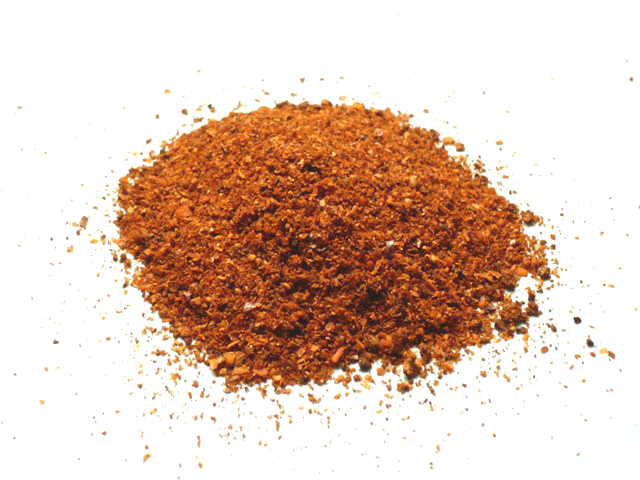 🇸🇾 Syria and 1 moreAleppo pepperفلفل حلبي
A moderately spicy, fruity flake from Syria and Turkey, named for the city of Aleppo.Chilli · Hot and fiery · Sweet and mellow
🇸🇾 Syria and 1 moreAleppo pepperفلفل حلبي
A moderately spicy, fruity flake from Syria and Turkey, named for the city of Aleppo.Chilli · Hot and fiery · Sweet and mellow
 🇹🇷 TurkeyUrfa biber
A sun-dried and night-wrapped chili from Turkey with a smoky, raisin-like taste.Chilli · Smoky · Sweet and mellow
🇹🇷 TurkeyUrfa biber
A sun-dried and night-wrapped chili from Turkey with a smoky, raisin-like taste.Chilli · Smoky · Sweet and mellow
Its cousins elsewhere
All seed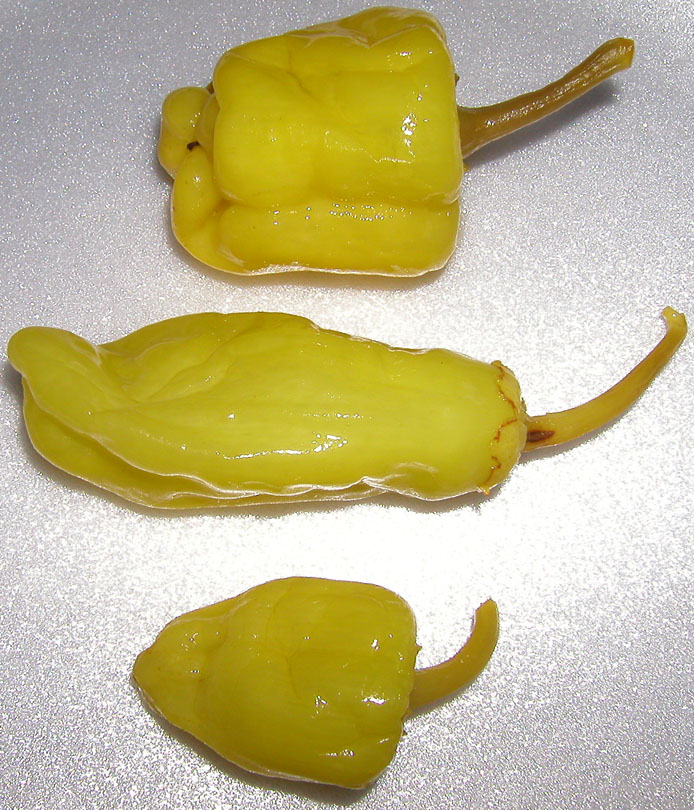 🇮🇹 Italy and 1 moreFriggitello
A mild sweet Italian chilli often pickled, known for its complex flavour and slight heat.Sweet and mellow · Hot and fiery
🇮🇹 Italy and 1 moreFriggitello
A mild sweet Italian chilli often pickled, known for its complex flavour and slight heat.Sweet and mellow · Hot and fiery
 🇨🇳 China and 1 moreChenpi陳皮
Sun-dried mandarin orange peel aged for use in Chinese cooking and medicineFruit · Sweet and mellow · Sharp and pungent
🇨🇳 China and 1 moreChenpi陳皮
Sun-dried mandarin orange peel aged for use in Chinese cooking and medicineFruit · Sweet and mellow · Sharp and pungent
 🇮🇳 India and 4 moreFennel
The anise-scented seeds and crisp bulb of a Mediterranean perennial herbSeed · Anise and liquorice · Sweet and mellow
🇮🇳 India and 4 moreFennel
The anise-scented seeds and crisp bulb of a Mediterranean perennial herbSeed · Anise and liquorice · Sweet and mellow
 🇱🇰 Sri Lanka and 5 moreCinnamon
The dried inner bark of Cinnamomum trees, prized for its sweet warmth and essential oil.Bark · Warm and sweet-spiced · Sweet and mellow
🇱🇰 Sri Lanka and 5 moreCinnamon
The dried inner bark of Cinnamomum trees, prized for its sweet warmth and essential oil.Bark · Warm and sweet-spiced · Sweet and mellow