
Sha ren
In its own language: 砂仁
Wurfbainia villosa
The dried fruit of a ginger-family plant, used in Chinese cooking and medicine
Sha ren is the seed capsule of an evergreen plant related to ginger. It grows in South China and Southeast Asia. The spice has an acrid, fresh taste with a slight bitterness.
- Related to ginger and grown in South China
- Used in five-spice powder
- Flowers resemble white jade
- Taste is acrid, fresh, and slightly bitter
- Grown with rubber trees to protect forests
What is Sha ren?
Sha ren refers to the dry fruit capsules of Wurfbainia villosa. This plant belongs to the ginger family and stands about one to three meters tall. Its leaves resemble those of common ginger. The fruit holds aromatic seeds inside. Traditional descriptions compare the waxy, translucent flowers to white jade. The spice itself carries an acrid scent and a fresh flavor profile.
Where does Sha ren come from?
This plant originates from South China and extends into Southeast Asia. It thrives in shaded forest environments. Historically, texts from the Tang dynasty recorded its use. Ancient medical books like the Compendium of Materia Medica documented its properties early on.
What does Sha ren taste like?
The taste is defined by sharpness and freshness. Sources describe it as acrid and slightly bitter. The aroma comes from the seeds held within the dry capsules. This pungency distinguishes it from sweeter cardamoms.
How Sha ren is grown and processed
Growers cultivate this monocotyledonous plant in the shade of trees. It blooms during March and April. A unique trait involves ground-level flowers setting fruit, while aerial ones do not. Farmers in Yunnan and Guangdong encourage planting alongside rubber trees to reduce forest burning.
Sha ren, drawn
How Sha ren is used
Cooks use the seeds in Chinese cuisine. They appear in traditional spice blends like five-spice powder. The spice adds its specific sharp and bitter notes to dishes requiring complex seasoning.
Sha ren in the world's kitchens
Chinese cuisine relies on sha ren for its distinct flavor. It integrates into established spice mixes rather than standing alone. The usage reflects long-standing culinary traditions in South China.
At a glance: where it turns up
Cuisines
Traditional and medicinal use
Traditional medicine systems value this spice. Historical texts note its medicinal properties. The description focuses on its acrid and bitter nature. No modern medical advice is implied by these historical records.
The trade in Sha ren
Demand for ripe fruits drives cultivation. Governments promote growing to protect rainforests from slash-and-burn practices. However, extensive farming has reduced species diversity in Southwest China forests.
Questions people ask about Sha ren
What is sha ren?
It is the dried fruit capsule of Wurfbainia villosa, a ginger-family plant. The capsule contains aromatic seeds used as a spice in Chinese cooking.
Where does sha ren come from?
It grows in South China and Southeast Asia. It prefers shaded areas under trees and is cultivated in provinces like Yunnan and Guangdong.
How does sha ren taste?
Historical texts describe it as acrid, fresh, and slightly bitter. It offers a pungent flavor profile distinct from sweet cardamoms.
Is sha ren part of any spice blends?
Yes, it is an ingredient in the traditional Chinese spice mixture known as five-spice powder.
Good reading and sources
- Wurfbainia villosa on WikipediaEncyclopedia
- More photos on Wikimedia CommonsPhotos and video
- Wikidata recordOpen data
The facts on this page come from the Wikipedia article "Wurfbainia villosa", written by its contributors and used under the CC BY-SA 4.0 licence, and from its Wikidata record (CC0). EveryMasala rewrote the text in its own words, with AI assistance, and compares every page with the article to make sure no passage is copied. It may be reused under the same CC BY-SA 4.0 licence with a link back.
It may contain mistakes. Names, strengths and customs differ from one grower, kitchen or shop to the next. Traditional and medicinal uses are described as tradition, never as medical advice, and none of this is a substitute for a doctor. If something is wrong, tell us. Last refreshed 2026-10-04.
More from China
All the spices of China 🇨🇳 China and 2 moreChinese prickly-ash
A thorny East Asian shrub whose reddish berries yield Sichuan pepperFruit
🇨🇳 China and 2 moreChinese prickly-ash
A thorny East Asian shrub whose reddish berries yield Sichuan pepperFruit
 🇨🇳 ChinaYongfeng chili sauce永丰辣酱
A fermented paste of peppers, rice and wheat from Hunan province, one of the region's three treasures.Paste · Hot and fiery · Sweet and mellow
🇨🇳 ChinaYongfeng chili sauce永丰辣酱
A fermented paste of peppers, rice and wheat from Hunan province, one of the region's three treasures.Paste · Hot and fiery · Sweet and mellow
 🇨🇳 China and 5 moreSichuan pepper花椒 (huājiāo)
The dried husk of Zanthoxylum fruit, prized for its citrus scent and electric numbness.Fruit · Citrus and bright · Sharp and pungent
🇨🇳 China and 5 moreSichuan pepper花椒 (huājiāo)
The dried husk of Zanthoxylum fruit, prized for its citrus scent and electric numbness.Fruit · Citrus and bright · Sharp and pungent
 🇨🇳 China and 5 moreChili oil辣椒油
A red condiment of infused vegetable oil and hot peppers used across Asia and Europe.Hot and fiery · Smoky
🇨🇳 China and 5 moreChili oil辣椒油
A red condiment of infused vegetable oil and hot peppers used across Asia and Europe.Hot and fiery · Smoky
Its cousins elsewhere
 🇬🇷 Greece and 4 moreParsley
A bright green herb from the celery family, used fresh across Europe and the Middle East.Leaf · Bitter · Herbal and green
🇬🇷 Greece and 4 moreParsley
A bright green herb from the celery family, used fresh across Europe and the Middle East.Leaf · Bitter · Herbal and green
 🇮🇷 Iran and 4 moreSaffronزعفران
The dried crimson stigmas of the autumn-blooming saffron crocus.Stigma · Sharp and pungent · Bitter
🇮🇷 Iran and 4 moreSaffronزعفران
The dried crimson stigmas of the autumn-blooming saffron crocus.Stigma · Sharp and pungent · Bitter
 🇬🇷 Greece and 1 moreMasticΜαστίχα
A bitter-sweet resin from the mastic tree, used in desserts and traditional medicine.Bitter · Sharp and pungent
🇬🇷 Greece and 1 moreMasticΜαστίχα
A bitter-sweet resin from the mastic tree, used in desserts and traditional medicine.Bitter · Sharp and pungent
 🇬🇭 Ghana and 5 moreGrains of Selimdiarr
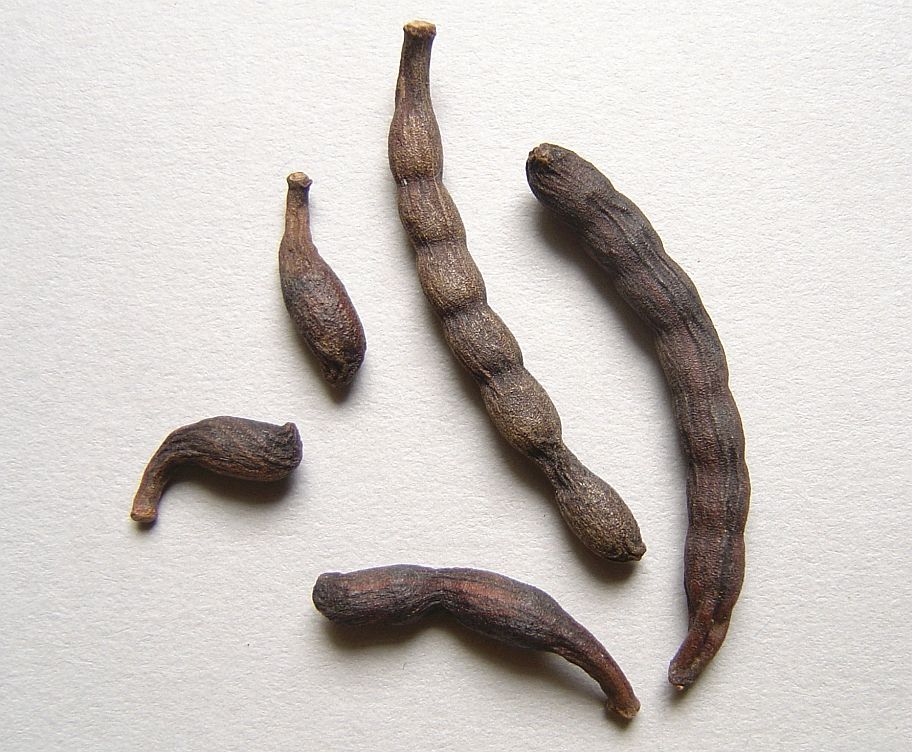
The dried fruit of a West African shrub, used as a peppery spice and coffee flavouring.Fruit · Sharp and pungent · Bitter
🇬🇭 Ghana and 5 moreGrains of Selimdiarr
The dried fruit of a West African shrub, used as a peppery spice and coffee flavouring.Fruit · Sharp and pungent · Bitter