Everyday use: spices that mark them
The spices of the working kitchen, reached for every day.
Daily cooking is the main home of spice, with a few trusted spices used every day in every kitchen, such as turmeric, cumin and chilli in India, pepper in Europe, and cinnamon and allspice in the Caribbean.
The everyday spice rack
Most households use between five and fifteen spices regularly. A typical Indian kitchen has a masala dabba, a tin holding mustard seed, cumin, turmeric, coriander, chilli and one or two others. A European kitchen has pepper, paprika, bay, thyme and cinnamon.
How skill is passed on
Families learn the proportions by watching, and the same spices can taste different in each house. Many cooks toast and grind small batches weekly.
Keeping it simple
Few spices are needed to start. Learn a handful well, buy whole where possible, and keep jars fresh.
Everyday use on EveryMasala
The spices written up so far, best known first.
 🇨🇳 ChinaYongfeng chili sauce永丰辣酱
A fermented paste of peppers and grains from Hunan, ChinaPaste · Hot and fiery · Sweet and mellow
 🇮🇳 IndiaKewraकेवड़ा
The distilled essence of the fragrant screwpine flower, used for sweet perfumes and desserts.Resin · Sweet and mellow · Citrus and bright
 🇲🇽 Mexico and 5 moreAnnatto
A red-orange dye and mild seasoning ground from a tropical American seedSeed · Earthy and deep · Sweet and mellow
 🇭🇺 Hungary and 4 morePaprika
Ground dried red peppers, from sweet and smoky Spanish pimentón to hot Hungarian gradesFruit · Sweet and mellow · Smoky
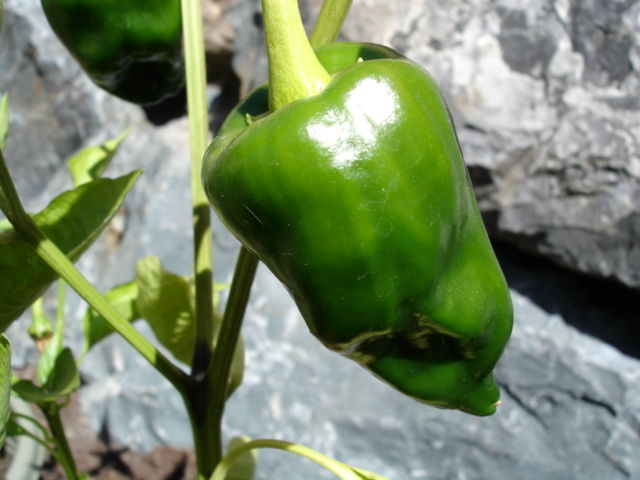 🇲🇽 Mexico and 1 morePoblano
A dark green to black chili pepper from Puebla, Mexico, dried into the ancho.Chilli · Sweet and mellow · Earthy and deep
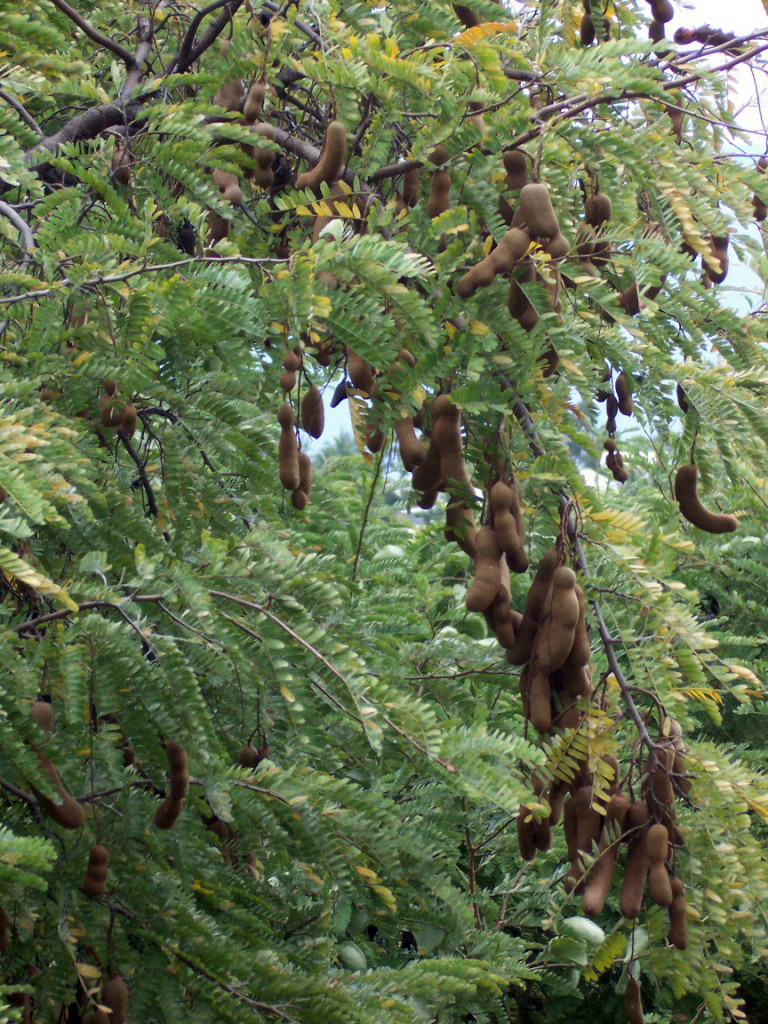 🇸🇩 Sudan and 5 moreTamarind
The sweet and sour pulp of a tropical tree pod used in sauces and drinks.Fruit · Sweet and mellow · Sour and tart
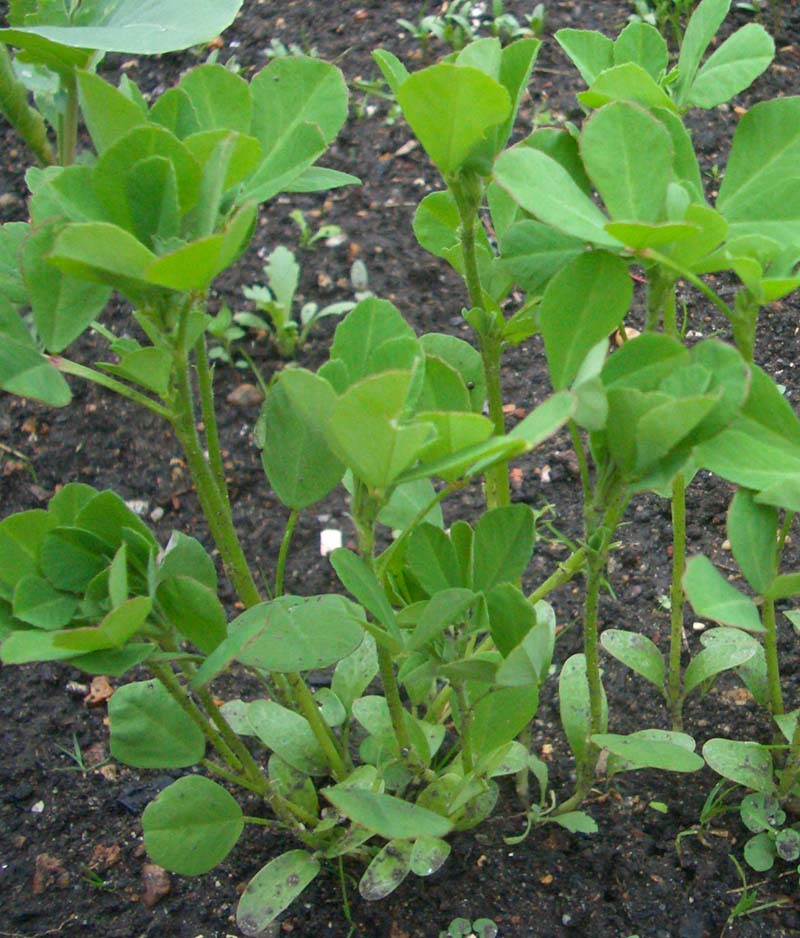 🇮🇳 India and 5 moreFenugreekحلبة
The bitter seed of a legume plant, known for its maple-like aroma and culinary versatility.Seed · Bitter · Sweet and mellow
 🇮🇩 Indonesia and 5 moreLemongrasssereh, tanglad, takhrai
The long, blade-like leaves of a tropical grass used for citrus-infused cooking and tea.Leaf · Citrus and bright · Sweet and mellow
🇺🇸 United StatesSandia pepper
A New Mexico-developed Capsicum annuum cultivar used for green and red dishes.Chilli · Hot and fiery · Sweet and mellow
 🇬🇼 Guinea-Bissau and 5 moreCalabash nutmeg
The dried seed of a West African tree, used as a local substitute for nutmeg.Warm and sweet-spiced · Sweet and mellow
🇨🇳 China and 4 moreLesser galangal高良薑
An aromatic Asian rhizome with orange flesh and a sweet, gentle spiceRoot · Sweet and mellow · Warm and sweet-spiced
 🇪🇸 SpainPaprika Tap de CortíPimentón de Mallorca
A sweet, sun-dried ground pepper from Majorca, used to color and preserve local sausages.Seed · Sweet and mellow · Earthy and deep
 🇨🇳 China and 1 moreChenpi陳皮
Sun-dried mandarin orange peel aged for use in Chinese cooking and medicineFruit · Sweet and mellow · Sharp and pungent
Photo credits on this page
The small pictures above come from Wikimedia Commons under free licences. Some are cropped to fit.
- Yongfeng chili sauce: Elena0100, CC BY-SA 4.0, source
- Paprika Tap de Cortí: Berin, CC BY 3.0, source
- Poblano: stef yau, CC BY 2.0, source
- Kewra: Miansari66, Public domain, source
- Tamarind: B.navez, CC BY 2.5, source
- Annatto: Porto Neto, CC BY-SA 4.0, source
- Lemongrass: Unknown author, CC BY 2.0, source
- Paprika: Takkk, CC BY-SA 3.0, source
- Calabash nutmeg: Samuel Curtis and William Jackson Hooker, Public domain, source
- Chenpi: Dboxes, CC BY-SA 3.0, source
- Fenugreek: Yak, CC BY-SA 3.0, source