
Paprika Tap de Cortí
In its own language: Pimentón de Mallorca
Capsicum annuum
A sweet, sun-dried ground pepper from the Balearic Islands, prized for its deep red colour and antioxidant properties.
This spice is made from the dried fruits of the Tap de Cortí chilli variety, grown exclusively on the island of Majorca. It delivers a sweet, inimitable aroma and a vibrant red hue, serving as the essential seasoning for local cured meats and stews.
- Grown exclusively on the island of Majorca.
- Sun-dried on house façades in traditional strings.
- Essential ingredient for Majorcan sobrassada sausage.
- High in vitamins C and E due to gentle processing.
- Holds Protected Designation of Origin status.
What is Paprika Tap de Cortí?
Paprika Tap de Cortí is a finely ground spice produced from a specific landrace of red pepper native to Majorca. The plant yields short, triangular fruits that resemble bottle caps, growing erect toward the sky. When processed, the spice reveals a striking crimson powder with a naturally sweet profile and an intense, unique aroma. It retains the natural antioxidants of the fresh fruit, including vitamin C and E, which contribute to its distinctive character and preservative qualities.
Where does Paprika Tap de Cortí come from?
The pepper was introduced to Majorca from the Americas in the late sixteenth century. By the nineteenth century, it had become a staple condiment, with Archduke Ludwig Salvador noting the superior quality of the local crop compared to imports. The variety thrived in villages across the island, where strings of peppers were hung to dry on house façades. Production declined in the 1970s due to cheaper competition but saw a resurgence in the late 2000s through community-led conservation efforts.
What does Paprika Tap de Cortí taste like?
The spice is defined by its sweetness and lack of significant heat, distinguishing it from many other paprikas. It offers a rich, earthy depth and a vibrant red colour measured by high ASTA indices. The taste comes from the specific cultivar and the slow sun-drying process, which preserves volatile compounds and natural sugars. The inclusion of seeds adds a subtle texture and enhances the overall aromatic complexity.
How Paprika Tap de Cortí is grown and processed
Cultivation is restricted to Majorca, with harvests occurring between August and October. Farmers collect the ripe fruits in multiple passes. The peppers are traditionally strung into helices or three-pointed shapes and hung on building walls to dry in the sun for about fifteen days. This method preserves nutrients like vitamin C. After drying, the peppers are baked at low temperatures below sixty degrees Celsius to remove remaining moisture before being stone-milled several times and sieved.
Paprika Tap de Cortí, drawn
How Paprika Tap de Cortí is used
It is primarily used to season traditional Balearic dishes such as stews, soups, and bullit. Its most famous application is in sobrassada, a raw cured sausage, where it provides both colour and preservation due to its antioxidant content. The spice is also used in modern interpretations of international dishes like Hungarian goulash or Galician octopus, adding depth and colour to various culinary preparations.
Paprika Tap de Cortí in the world's kitchens
It is the cornerstone of Majorcan and broader Balearic cuisine. In these traditions, it is indispensable for curing meats and flavouring vegetable-based stews. While originally limited to local recipes, its reputation has spread, leading to its use in Spanish regional dishes and even international classics, though its authentic home remains firmly rooted in the island's agricultural heritage.
At a glance: where it turns up

Traditional and medicinal use
Traditionally, the spice is valued for its ability to preserve food. Before its introduction, sobrassada was white and perishable; the paprika’s antioxidants allowed the sausage to last up to a year when cured properly. This transformation turned a luxury item into a daily staple. The drying process on house walls was also a communal activity, involving volunteers and locals in preserving agricultural heritage.
Buying and storing Paprika Tap de Cortí
To maintain peak quality, the ground spice should be consumed within two years. For use in sobrassada, it is best used within one year to ensure optimal organoleptic properties. Proper storage prevents the hygroscopic powder from absorbing atmospheric moisture, which can degrade its flavour and colour over time.
The trade in Paprika Tap de Cortí
Production faced decline in the 1970s due to competition from cheaper Murcia paprika. Recovery efforts began in 2008 with seedling distribution and community involvement. The product holds Protected Designation of Origin status, ensuring only peppers grown and processed in Majorca can bear the name. This certification supports local farmers and maintains the integrity of the traditional methods.
Meal
The spice features prominently in dinner meals, particularly in hearty stews and sausages. It is integral to the preparation of sobrassada, which serves as a snack or preserve. It is also used in everyday cooking for soups and vegetable dishes, enhancing the flavour profile of simple, rustic ingredients common to the region.
Questions people ask about Paprika Tap de Cortí
Where does Paprika Tap de Cortí come from?
It is cultivated and processed exclusively on the island of Majorca in Spain. The peppers are a specific landrace variety known as Tap de Cortí, which has been grown there since the sixteenth century.
What does Paprika Tap de Cortí taste like?
It has a distinctly sweet flavour with a rich, earthy aroma and a vibrant red colour. Unlike many spicy paprikas, it is mild and lacks significant heat, making it ideal for seasoning without overpowering dishes.
How is Paprika Tap de Cortí used in cooking?
It is primarily used to season traditional Balearic stews, soups, and vegetables. Its most critical role is in sobrassada, a cured sausage, where it provides colour and acts as a natural preservative due to its antioxidant properties.
Why is this paprika special compared to others?
It is protected by a Protected Designation of Origin, meaning it must be grown and processed in Majorca. The traditional sun-drying method on house walls preserves more nutrients and gives it a unique, inimitable aroma and sweetness.
Good reading and sources
- Paprika Tap de Cortí on WikipediaEncyclopedia
- More photos on Wikimedia CommonsPhotos and video
- Wikidata recordOpen data
The facts on this page come from the Wikipedia article "Paprika Tap de Cortí", written by its contributors and used under the CC BY-SA 4.0 licence, and from its Wikidata record (CC0). EveryMasala rewrote the text in its own words, with AI assistance, and compares every page with the article to make sure no passage is copied. It may be reused under the same CC BY-SA 4.0 licence with a link back.
It may contain mistakes. Names, strengths and customs differ from one grower, kitchen or shop to the next. Traditional and medicinal uses are described as tradition, never as medical advice, and none of this is a substitute for a doctor. If something is wrong, tell us. Last refreshed 2026-10-04.
More from Spain
All the spices of Spain 🇪🇸 SpainChoricero pepperspimiento choricero
A dried red pepper from Spain used to make rich stews and sauces.Chilli · Sweet and mellow · Smoky
🇪🇸 SpainChoricero pepperspimiento choricero
A dried red pepper from Spain used to make rich stews and sauces.Chilli · Sweet and mellow · Smoky
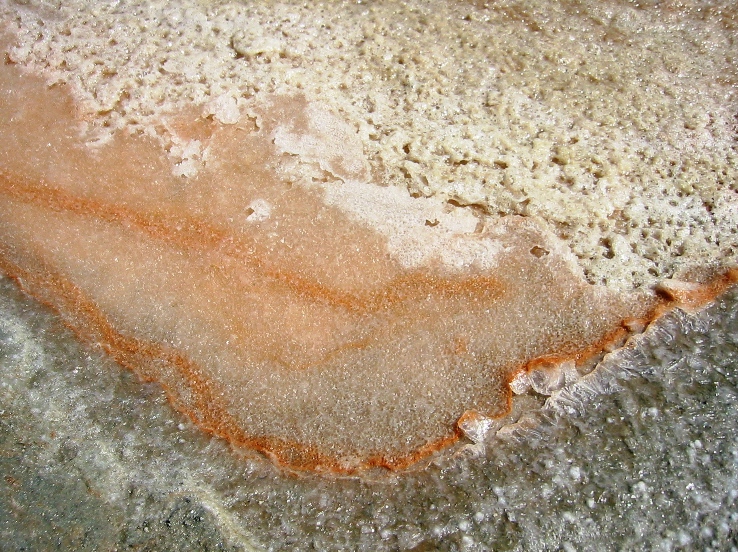 🇫🇷 France and 5 moreFleur de sel
A hand-raked crust of sea salt crystals gathered from evaporation pans.Earthy and deep
🇫🇷 France and 5 moreFleur de sel
A hand-raked crust of sea salt crystals gathered from evaporation pans.Earthy and deep
 🇪🇸 SpainPiquillo pepperpimientos del piquillo
A sweet, mild red chili cultivar from Northern Spain, prized for its thick flesh and gentle heat.Chilli · Sweet and mellow · Warm and sweet-spiced
🇪🇸 SpainPiquillo pepperpimientos del piquillo
A sweet, mild red chili cultivar from Northern Spain, prized for its thick flesh and gentle heat.Chilli · Sweet and mellow · Warm and sweet-spiced
 🇮🇳 India and 4 moreFennel
The anise-scented seeds and crisp bulb of a Mediterranean perennial herbSeed · Anise and liquorice · Sweet and mellow
🇮🇳 India and 4 moreFennel
The anise-scented seeds and crisp bulb of a Mediterranean perennial herbSeed · Anise and liquorice · Sweet and mellow
Its cousins elsewhere
All seed 🇲🇽 Mexico and 5 moreAnnatto
The orange-red pigment from achiote seeds used as a natural food coloring and mild spice.Seed · Earthy and deep · Sweet and mellow
🇲🇽 Mexico and 5 moreAnnatto
The orange-red pigment from achiote seeds used as a natural food coloring and mild spice.Seed · Earthy and deep · Sweet and mellow
 🇦🇺 AustraliaBush tomatokutjera
The dried fruit of a native Australian nightshade shrub, traditionally eaten by Aboriginal peoples.Fruit · Sweet and mellow · Earthy and deep
🇦🇺 AustraliaBush tomatokutjera
The dried fruit of a native Australian nightshade shrub, traditionally eaten by Aboriginal peoples.Fruit · Sweet and mellow · Earthy and deep
 🇦🇺 AustraliaWattleseed
The edible seed of Australian Acacia trees, traditionally ground into flour by Aboriginal Australians.Seed · Sweet and mellow · Earthy and deep
🇦🇺 AustraliaWattleseed
The edible seed of Australian Acacia trees, traditionally ground into flour by Aboriginal Australians.Seed · Sweet and mellow · Earthy and deep
 🇮🇳 IndiaChammanthi podi
A dry coconut and spice condiment from Kerala that preserves fresh chutney for months.Hot and fiery · Earthy and deep
🇮🇳 IndiaChammanthi podi
A dry coconut and spice condiment from Kerala that preserves fresh chutney for months.Hot and fiery · Earthy and deep