
Amchoor
In its own language: आमचूर
A sour powder made from dried unripe green mangoes, used to add tang to Indian dishes.
Amchoor is a tart spice powder produced in India from sun-dried slices of raw green mango. It provides a bright, fruity acidity to curries, stews, and snacks without adding liquid moisture.
- Made from sun-dried slices of green, unripe mangoes.
- Provides sourness without adding moisture to dishes.
- Key ingredient in chaat masala spice blends.
- Used to tenderize meat, poultry, and fish.
- Commonly found in Indian curries, stews, and snacks.
What is Amchoor?
Amchoor is a dry seasoning powder derived from the fruit of the mango tree. Unlike ripe mangoes, this spice uses green, unripe fruits that are harvested early in the season. The resulting powder is pale beige to brownish in color. It carries a honey-like fragrance with a distinct sour and fruity taste profile. This spice serves as a concentrated source of natural acidity, offering the bright notes of fresh mango in a stable, shelf-stable form.
Where does Amchoor come from?
The spice is primarily associated with India, where it is widely produced and utilized in daily cooking. It remains a staple ingredient in Indian pantries for those seeking fruit-based sourness.
What does Amchoor taste like?
The flavor profile is defined by its sharp sourness and citrusy brightness. It possesses a sweet undertone reminiscent of honey, balanced by the tartness of raw fruit. This combination creates a tangy, fruity note that enhances dishes without overwhelming them. The acidity comes naturally from the unripe mango flesh, providing a clean, sharp taste that cuts through rich spices.
How Amchoor is grown and processed
Production begins with the harvesting of mangoes while they are still green and hard. These fruits are peeled and cut into thin slices. The slices are then placed in direct sunlight to dry completely. Once dried, they become brittle and resemble strips of woody bark. These dried pieces are either ground into a fine powder at home or commercially processed into ready-made amchoor powder.
Amchoor, drawn
How Amchoor is used
Cooking with amchoor involves sprinkling the powder directly onto food to introduce acidity. It is commonly added to stir-fried vegetables, soups, and various curries. It acts as a tenderizer for meat, poultry, and fish due to its enzymatic properties. The powder is also essential in chaat masala mixes and is used to flavor samosa fillings, pakoras, chutneys, pickles, and dals. It allows cooks to add fruit flavor without introducing extra water.
Amchoor in the world's kitchens
Amchoor is a cornerstone of Indian cuisine, where it functions as a primary souring agent. It distinguishes itself from other acids like lemon juice by adding flavor without moisture, which is crucial for dry spice blends and fried snacks. Its use spans from everyday home cooking to street food, ensuring that dishes maintain their desired tart balance regardless of the season.
At a glance: where it turns up
Traditional and medicinal use
In traditional Indian cooking, amchoor is valued for its ability to mimic the sourness of fresh tamarind or lime when those ingredients are unavailable. It is traditionally used to tenderize tougher cuts of meat and poultry.
Meal
This spice appears across several meal types in Indian cuisine. It is frequently used in lunch and dinner dishes such as curries, stews, and vegetable preparations. It features prominently in snack items like samosas and pakoras. Additionally, it is used in preserves like pickles and chutneys, and can even be found in fruit salads and pastries for a tangy contrast.
Blends with Amchoor
Questions people ask about Amchoor
What is amchoor?
Amchoor is a sour spice powder made from dried, unripe green mangoes. It is a staple in Indian cuisine, used to add a bright, fruity acidity to dishes without introducing liquid moisture.
Where does amchoor come from?
It is primarily produced in India. The process involves harvesting mangoes while they are still green, peeling them, slicing them thinly, and drying them in the sun until they become brittle.
How does amchoor taste?
It has a honey-like fragrance with a sharp, sour, and fruity flavor. The taste is distinctly tangy and citrusy, similar to raw mango, making it an excellent natural acidulant.
How is amchoor used in cooking?
It is sprinkled into curries, soups, and vegetable stir-fries to add tartness. It is also used in marinades to tenderize meats and is a key component of chaat masala and pickle recipes.
Good reading and sources
The facts on this page come from the Wikipedia article "Amchoor", written by its contributors and used under the CC BY-SA 4.0 licence, and from its Wikidata record (CC0). EveryMasala rewrote the text in its own words, with AI assistance, and compares every page with the article to make sure no passage is copied. It may be reused under the same CC BY-SA 4.0 licence with a link back.
It may contain mistakes. Names, strengths and customs differ from one grower, kitchen or shop to the next. Traditional and medicinal uses are described as tradition, never as medical advice, and none of this is a substitute for a doctor. If something is wrong, tell us. Last refreshed 2026-10-04.
More from India
All the spices of India 🇮🇳 India and 4 moreFennel
The anise-scented seeds and crisp bulb of a Mediterranean perennial herbSeed · Anise and liquorice · Sweet and mellow
🇮🇳 India and 4 moreFennel
The anise-scented seeds and crisp bulb of a Mediterranean perennial herbSeed · Anise and liquorice · Sweet and mellow
 🇮🇳 India and 2 moreCardamom
Aromatic seeds from spindle-shaped pods used in sweet and savory dishes across Asia and the Middle East.Seed · Sharp and pungent · Warm and sweet-spiced
🇮🇳 India and 2 moreCardamom
Aromatic seeds from spindle-shaped pods used in sweet and savory dishes across Asia and the Middle East.Seed · Sharp and pungent · Warm and sweet-spiced
 🇮🇳 IndiaMalabar pepper
A Geographical Indication black pepper from Kerala and neighbouring regions.Seed · Sharp and pungent
🇮🇳 IndiaMalabar pepper
A Geographical Indication black pepper from Kerala and neighbouring regions.Seed · Sharp and pungent
 🇮🇳 India and 5 moreMustard seed
Tiny seeds from Brassica plants that become a sharp condiment or cooking oil.Seed · Sharp and pungent · Hot and fiery
🇮🇳 India and 5 moreMustard seed
Tiny seeds from Brassica plants that become a sharp condiment or cooking oil.Seed · Sharp and pungent · Hot and fiery
Its cousins elsewhere
All seed 🇲🇽 MexicoPineapple sage
A Mexican shrub with leaves that smell of pineapple and flowers that feed hummingbirdsLeaf · Citrus and bright · Sweet and mellow
🇲🇽 MexicoPineapple sage
A Mexican shrub with leaves that smell of pineapple and flowers that feed hummingbirdsLeaf · Citrus and bright · Sweet and mellow
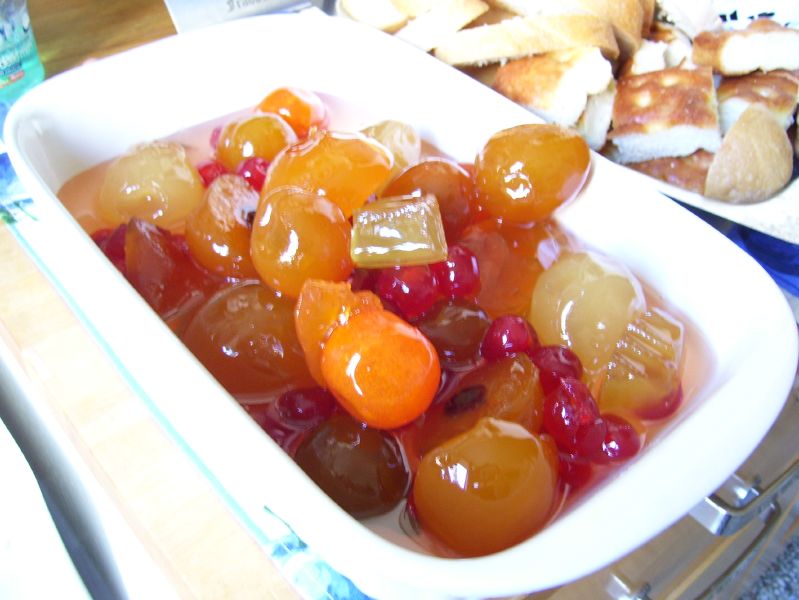 🇮🇹 ItalyMostardamostarda di frutta
A northern Italian condiment of candied fruit in a sharp mustard syrupBlend · Sweet and mellow · Sharp and pungent
🇮🇹 ItalyMostardamostarda di frutta
A northern Italian condiment of candied fruit in a sharp mustard syrupBlend · Sweet and mellow · Sharp and pungent
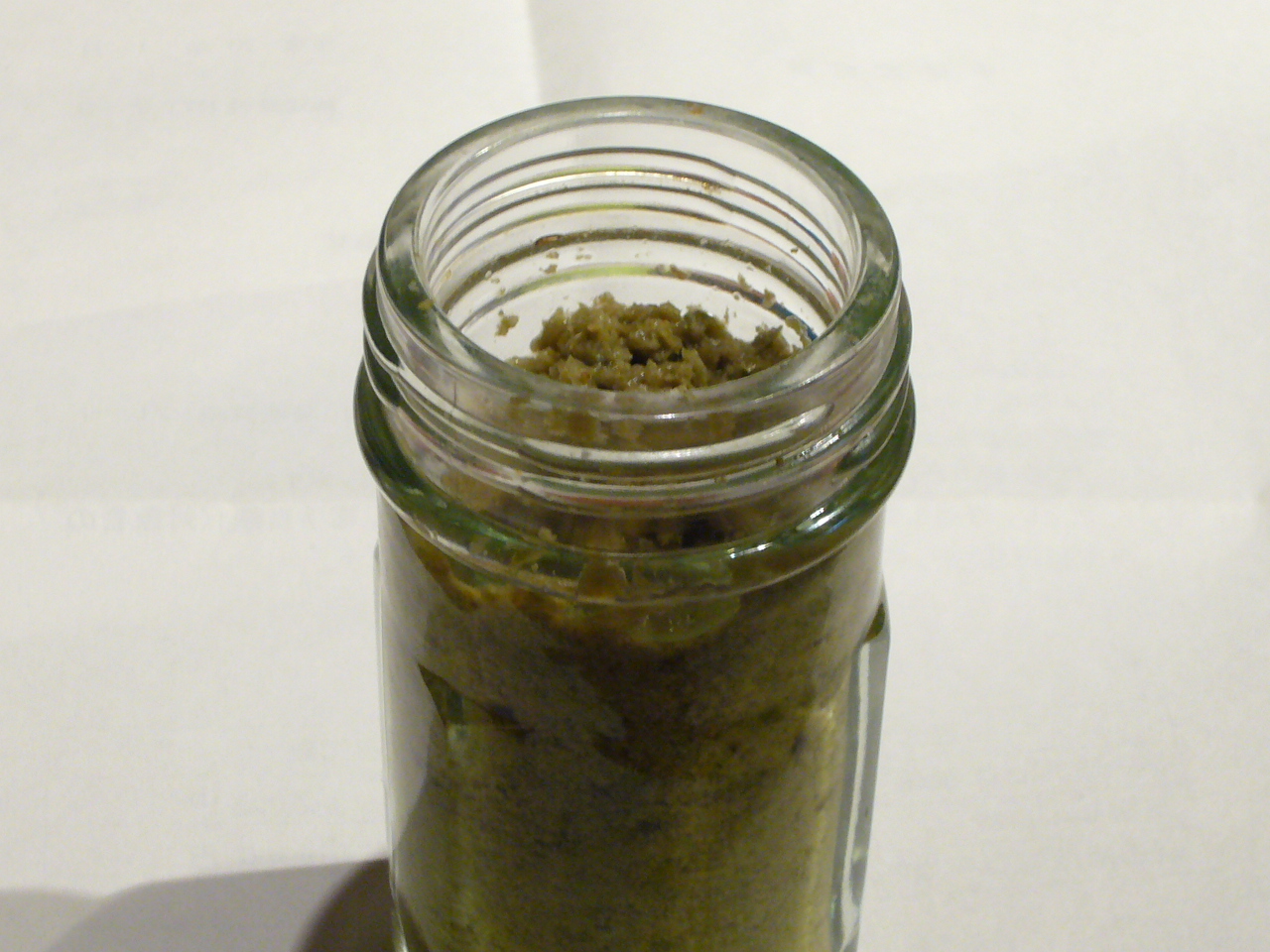 🇯🇵 JapanYuzu koshō柚子胡椒
A fermented Japanese paste of chili peppers and yuzu citrus peel.Paste · Hot and fiery · Citrus and bright
🇯🇵 JapanYuzu koshō柚子胡椒
A fermented Japanese paste of chili peppers and yuzu citrus peel.Paste · Hot and fiery · Citrus and bright
 🇺🇸 United StatesCarolina Reaper
A gnarled red cultivar of Capsicum chinense bred in South Carolina for extreme heat.Chilli · Hot and fiery · Sweet and mellow
🇺🇸 United StatesCarolina Reaper
A gnarled red cultivar of Capsicum chinense bred in South Carolina for extreme heat.Chilli · Hot and fiery · Sweet and mellow