
Malabar pepper
Piper nigrum
A geographically protected black pepper from India's western spice coast.
This is a specific variety of black pepper grown in the Malabar region of Kerala and parts of Western Tamil Nadu. It was recognized as a Geographical Indication in 2007–08 by the Indian government for its distinct origin and traditional cultivation methods.
- Recognized as a Geographical Indication in 2007–08.
- Grown in Kerala, Western Tamil Nadu, and Southern Karnataka.
- Originated as a chance seedling in the Malabar region.
- Traded with Romans, Arabs, and European navigators.
- Available in garbled (round) and ungarled (irregular) grades.
What is Malabar pepper?
Malabar pepper consists of the dried fruits from the Piper nigrum vine. These small drupes measure about five millimetres across. When ripe, they turn dark red before being processed. The final product appears as wrinkled spheres. Two main grades exist: garbled and ungarled. Garbled berries are nearly round and black. Ungarled versions range from dark brown to black. Both types retain a rough, textured surface after drying.
Where does Malabar pepper come from?
This pepper type began as a chance seedling in the Malabar region. That area now falls within the Indian state of Kerala. Historical records show it was traded with Roman merchants. Arab traders also purchased this spice early on. Later, European navigators included it in their voyages. The production zone has since expanded to include Western Tamil Nadu and Southern Karnataka.
What does Malabar pepper taste like?
The taste profile is defined by sharp pungency. This heat comes from natural compounds in the dried fruit. The texture adds a slight bitterness. The aroma is strong and penetrating. Cooks value it for its ability to cut through rich dishes.
How Malabar pepper is grown and processed
Farmers cultivate the Piper nigrum vine in tropical climates. The harvest occurs when the drupes reach full maturity. Workers pick the dark red fruits by hand. They then dry them until the skin wrinkles and turns black. Processing separates the berries into garbled or ungarled grades based on shape and colour consistency.
Malabar pepper, drawn
How Malabar pepper is used
Merchants use whole peppercorns to infuse broths and stews. Ground powder seasons meats and vegetables. The spice pairs well with heavy sauces. It appears in everyday home cooking across India. Chefs often toast the berries before grinding to release oils.
Malabar pepper in the world's kitchens
Indian kitchens rely heavily on this variety. The Malabar Coast provides the primary supply. Western Tamil Nadu contributes to the regional output. Southern Karnataka also grows significant amounts. Local cooks prefer its bold character over milder imports.
At a glance: where it turns up
Spiritual and ceremonial use
No specific religious rituals centre on this pepper. It does not appear in major ceremonial offerings. Hindu or Muslim traditions do not mandate its use in worship.
Malabar pepper at celebrations
Festivals do not specifically require Malabar pepper. Weddings and harvest celebrations use it generically. It serves as a standard seasoning rather than a symbolic item.
Traditional and medicinal use
Ayurvedic texts mention black pepper for digestion. Traditional healers use it to balance bodily humors. No specific doses are prescribed in modern practice. Safety notes advise moderation due to its heat.
Buying and storing Malabar pepper
Keep dried peppercorns in airtight containers. Store them away from direct sunlight. Whole berries last longer than ground powder. Check for moisture to prevent mould growth.
What to use instead of Malabar pepper
Other black pepper varieties work in a pinch. Tellicherry or Lampong peppers offer similar heat. White pepper lacks the floral top notes. Green peppercorns provide a fresher, brine-like taste.
The trade in Malabar pepper
The Spices Board of India applied for Geographical Indication status in 2007–08. This certification protects the name and origin. Roman and Arab traders historically dominated the market. European powers later controlled shipping routes. Today, India remains the primary producer.
Meal
Diners encounter this spice most often at dinner. It accompanies main courses featuring meat or grains. Street vendors may sprinkle it on savoury snacks. Breakfast usage is less common compared to other regions.
Place
kerala, western tamil nadu, southern karnataka
Questions people ask about Malabar pepper
Where does Malabar pepper come from?
It originates from the Malabar region of Kerala, India. Production also extends to Western Tamil Nadu and Southern Karnataka. The Indian government granted it Geographical Indication status in 2007–08.
What does Malabar pepper taste like?
It delivers a sharp, pungent heat. The flavour is robust and slightly bitter. The aroma is strong and penetrating. It ranks high on the Scoville scale due to its capsaicin content.
How is it different from regular black pepper?
Malabar pepper refers to a specific variety grown in designated Indian regions. It often features larger, heavier berries. The taste is bolder and more complex than generic imports.
What are the two grades of Malabar pepper?
The grades are garbled and ungarled. Garbled berries are nearly globular and black. Ungarled berries are irregularly shaped and range from dark brown to black.
Good reading and sources
The facts on this page come from the Wikipedia article "Malabar pepper", written by its contributors and used under the CC BY-SA 4.0 licence, and from its Wikidata record (CC0). EveryMasala rewrote the text in its own words, with AI assistance, and compares every page with the article to make sure no passage is copied. It may be reused under the same CC BY-SA 4.0 licence with a link back.
It may contain mistakes. Names, strengths and customs differ from one grower, kitchen or shop to the next. Traditional and medicinal uses are described as tradition, never as medical advice, and none of this is a substitute for a doctor. If something is wrong, tell us. Last refreshed 2026-10-06.
More from India
All the spices of India 🇮🇳 India and 4 moreFennel
The anise-scented seeds and crisp bulb of a Mediterranean perennial herbSeed · Anise and liquorice · Sweet and mellow
🇮🇳 India and 4 moreFennel
The anise-scented seeds and crisp bulb of a Mediterranean perennial herbSeed · Anise and liquorice · Sweet and mellow
 🇮🇳 India and 2 moreCardamom
Aromatic seeds from spindle-shaped pods used in sweet and savory dishes across Asia and the Middle East.Seed · Sharp and pungent · Warm and sweet-spiced
🇮🇳 India and 2 moreCardamom
Aromatic seeds from spindle-shaped pods used in sweet and savory dishes across Asia and the Middle East.Seed · Sharp and pungent · Warm and sweet-spiced
 🇮🇳 India and 5 moreMustard seed
Tiny seeds from Brassica plants that become a sharp condiment or cooking oil.Seed · Sharp and pungent · Hot and fiery
🇮🇳 India and 5 moreMustard seed
Tiny seeds from Brassica plants that become a sharp condiment or cooking oil.Seed · Sharp and pungent · Hot and fiery
 🇮🇳 IndiaAmchoorआमचूर
A sour powder made from dried unripe green mangoes, used to add tang to Indian dishes.Seed · Sour and tart · Citrus and bright
🇮🇳 IndiaAmchoorआमचूर
A sour powder made from dried unripe green mangoes, used to add tang to Indian dishes.Seed · Sour and tart · Citrus and bright
Its cousins elsewhere
All seed 🇦🇹 Austria and 5 moreCaraway
The crescent-shaped fruit of a carrot-family herb, used to flavour breads and spirits.Seed · Anise and liquorice · Sharp and pungent
🇦🇹 Austria and 5 moreCaraway
The crescent-shaped fruit of a carrot-family herb, used to flavour breads and spirits.Seed · Anise and liquorice · Sharp and pungent
 🇮🇩 Indonesia and 4 moreNutmeg
The dried seed of a tropical tree, prized for its warm, pungent spice.Seed · Warm and sweet-spiced · Sweet and mellow
🇮🇩 Indonesia and 4 moreNutmeg
The dried seed of a tropical tree, prized for its warm, pungent spice.Seed · Warm and sweet-spiced · Sweet and mellow
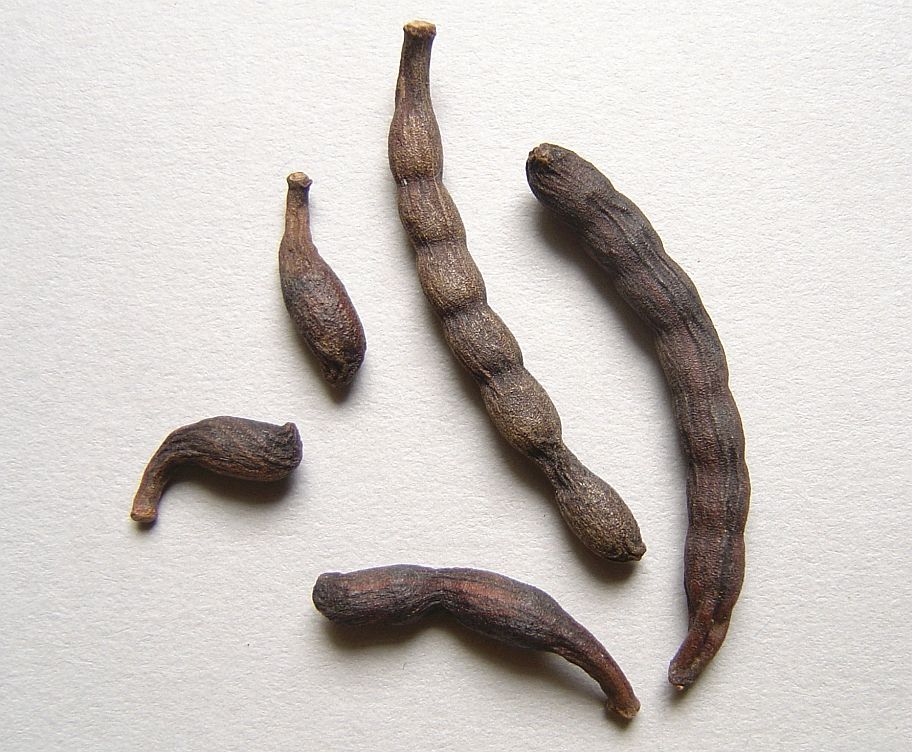 🇬🇭 Ghana and 5 moreGrains of Selimdiarr
The dried fruit of a West African shrub, used as a peppery spice and coffee flavouring.Fruit · Sharp and pungent · Bitter
🇬🇭 Ghana and 5 moreGrains of Selimdiarr
The dried fruit of a West African shrub, used as a peppery spice and coffee flavouring.Fruit · Sharp and pungent · Bitter
 🇪🇬 EgyptShattaشطة
A fermented Levantine paste of fresh chillies, garlic, and saltHot and fiery · Sharp and pungent
🇪🇬 EgyptShattaشطة
A fermented Levantine paste of fresh chillies, garlic, and saltHot and fiery · Sharp and pungent