
Black Pearl pepper
Capsicum annuum ‘Black Pearl’
A dark-leaved ornamental chili cultivar with a citrusy heat
This Capsicum annuum variety is grown for its striking black foliage and fruit that deepens to crimson. It delivers a slow-burning heat with subtle citrus notes.
- Developed by US Agricultural Research Service scientists
- Features distinctive black to deep-purple leaves
- Fruit turns crimson when fully ripe
- Won beauty award from All-America Selections in 2006
- Heat ranges from 10,000 to 30,000 Scoville units
What is Black Pearl pepper?
The Black Pearl pepper belongs to the Capsicum annuum species. Gardeners prize it for its unusual appearance rather than its culinary volume. The plant features semi-gloss leaves that range from black to deep purple. Its small fruits start as black pods before shifting to a rich crimson color when they reach full maturity. The entire bush typically reaches a height of fourteen to eighteen inches. While it serves primarily as a decorative garden specimen, the fruit remains safe for human consumption.
Where does Black Pearl pepper come from?
Researchers Rob Griesbach and John Stommel created this specific strain. They worked at the Vegetable Laboratory within the Agricultural Research Service. Their facility operated under the Arboretum Floral and Nursery Plants Research Unit. The project took place in the United States. The breeders designed the plant to offer visual interest alongside edible qualities. It shares some design similarities with another variety known as the Black Hungarian.
What does Black Pearl pepper taste like?
Eaters describe a distinct citrus undertone within the pepper's profile. This bright note accompanies a gradual heating sensation. The heat level sits between four and twelve times hotter than a standard jalapeño. On the Scoville Scale, the intensity ranges from ten thousand to thirty thousand units. The burn develops slowly rather than hitting the palate immediately.
How Black Pearl pepper is grown and processed
Growers cultivate this plant as an ornamental specimen in gardens. It requires standard care for annual peppers. The bush grows to a compact size, staying between fourteen and eighteen inches tall. Harvest occurs when the pods transition from their initial black state to a deep crimson hue. This color change signals that the fruit has reached full ripeness and peak flavor development.
Black Pearl pepper, drawn
How Black Pearl pepper is used
Cooks can use the ripe crimson pods to add heat and citrus aroma to dishes. The plant functions mainly as a decorative element in landscaping. Its dark foliage provides contrast against lighter garden plants. The award from All-America Selections in 2006 highlights its aesthetic value. Culinary use remains secondary to its role as a beautiful garden feature.

Questions people ask about Black Pearl pepper
What does the Black Pearl pepper taste like?
It offers a citrus undertone paired with a slow-building heat. The spice level ranges from ten thousand to thirty thousand Scoville units.
Where did the Black Pearl pepper originate?
Scientists in the United States developed this cultivar at the Agricultural Research Service laboratory.
Is the Black Pearl pepper only for decoration?
No, though it won an ornamental award, the fruit is edible and used for cooking.
How hot is the Black Pearl pepper compared to a jalapeño?
It burns between four and twelve times hotter than a standard jalapeño pepper.
Good reading and sources
- Black Pearl pepper on WikipediaEncyclopedia
- More photos on Wikimedia CommonsPhotos and video
- Wikidata recordOpen data
The facts on this page come from the Wikipedia article "Black Pearl pepper", written by its contributors and used under the CC BY-SA 4.0 licence, and from its Wikidata record (CC0). EveryMasala rewrote the text in its own words, with AI assistance, and compares every page with the article to make sure no passage is copied. It may be reused under the same CC BY-SA 4.0 licence with a link back.
It may contain mistakes. Names, strengths and customs differ from one grower, kitchen or shop to the next. Traditional and medicinal uses are described as tradition, never as medical advice, and none of this is a substitute for a doctor. If something is wrong, tell us. Last refreshed 2026-10-04.
More from the United States
All the spices of the United States 🇺🇸 United StatesSpicebush
The dried fruit of a North American shrub, used as an allspice substitute.Fruit · Citrus and bright · Sharp and pungent
🇺🇸 United StatesSpicebush
The dried fruit of a North American shrub, used as an allspice substitute.Fruit · Citrus and bright · Sharp and pungent
 🇺🇸 United States and 5 moreGingermint
A sterile mint hybrid grown for essential oil and chewing gum flavour.Herbal and green · Sweet and mellow
🇺🇸 United StatesHabanaga pepper
A hot New Mexican chilli born from an accidental habanero and ghost pepper crossChilli · Hot and fiery
🇺🇸 United States and 5 moreGingermint
A sterile mint hybrid grown for essential oil and chewing gum flavour.Herbal and green · Sweet and mellow
🇺🇸 United StatesHabanaga pepper
A hot New Mexican chilli born from an accidental habanero and ghost pepper crossChilli · Hot and fiery
 🇺🇸 United States and 1 moreCalifornian white sage
An aromatic desert shrub whose seeds flavour maize foods and roots make tonic teaSeed · Herbal and green · Sharp and pungent
🇺🇸 United States and 1 moreCalifornian white sage
An aromatic desert shrub whose seeds flavour maize foods and roots make tonic teaSeed · Herbal and green · Sharp and pungent
Its cousins elsewhere
 🇾🇪 Yemen and 1 moreZhugسحوق
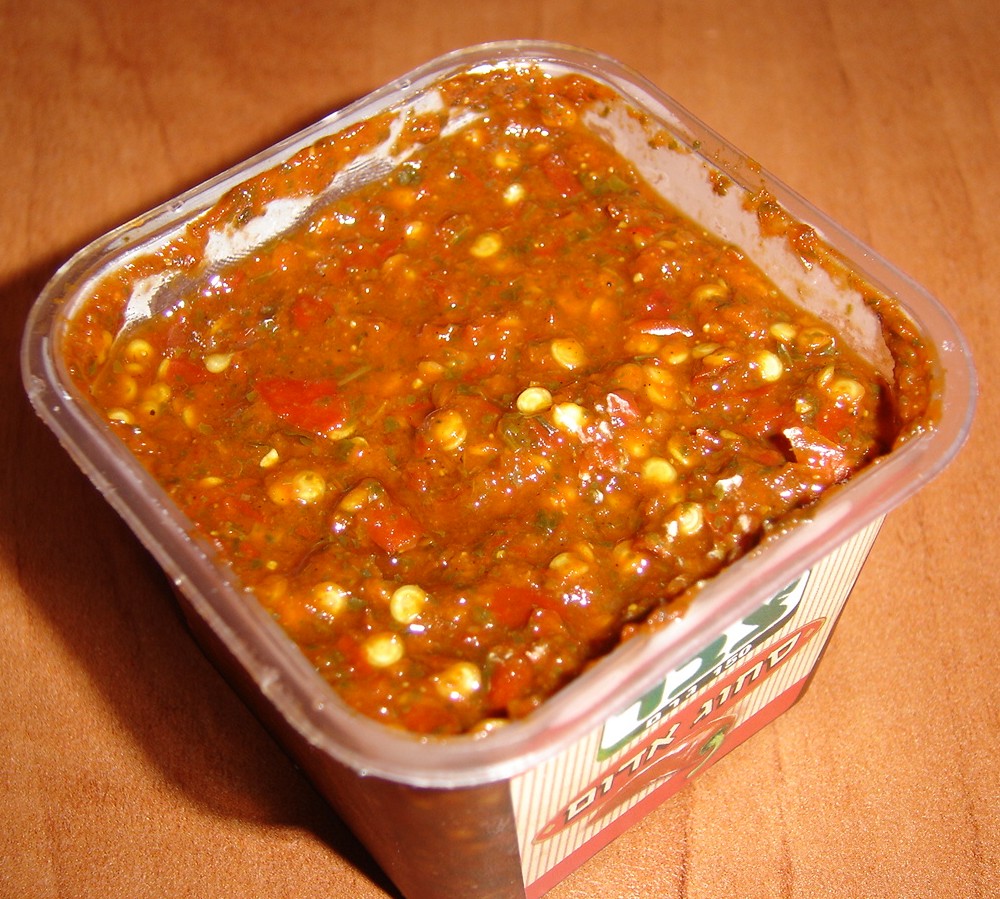
A Yemeni hot sauce of crushed chilies, garlic, and corianderHot and fiery · Sharp and pungent
🇾🇪 Yemen and 1 moreZhugسحوق
A Yemeni hot sauce of crushed chilies, garlic, and corianderHot and fiery · Sharp and pungent
 🇭🇹 HaitiEpis
A blended flavor base of peppers, garlic, and herbs essential to Haitian cookingHot and fiery · Sharp and pungent
🇭🇹 HaitiEpis
A blended flavor base of peppers, garlic, and herbs essential to Haitian cookingHot and fiery · Sharp and pungent
 🇯🇵 JapanYuzu koshō柚子胡椒
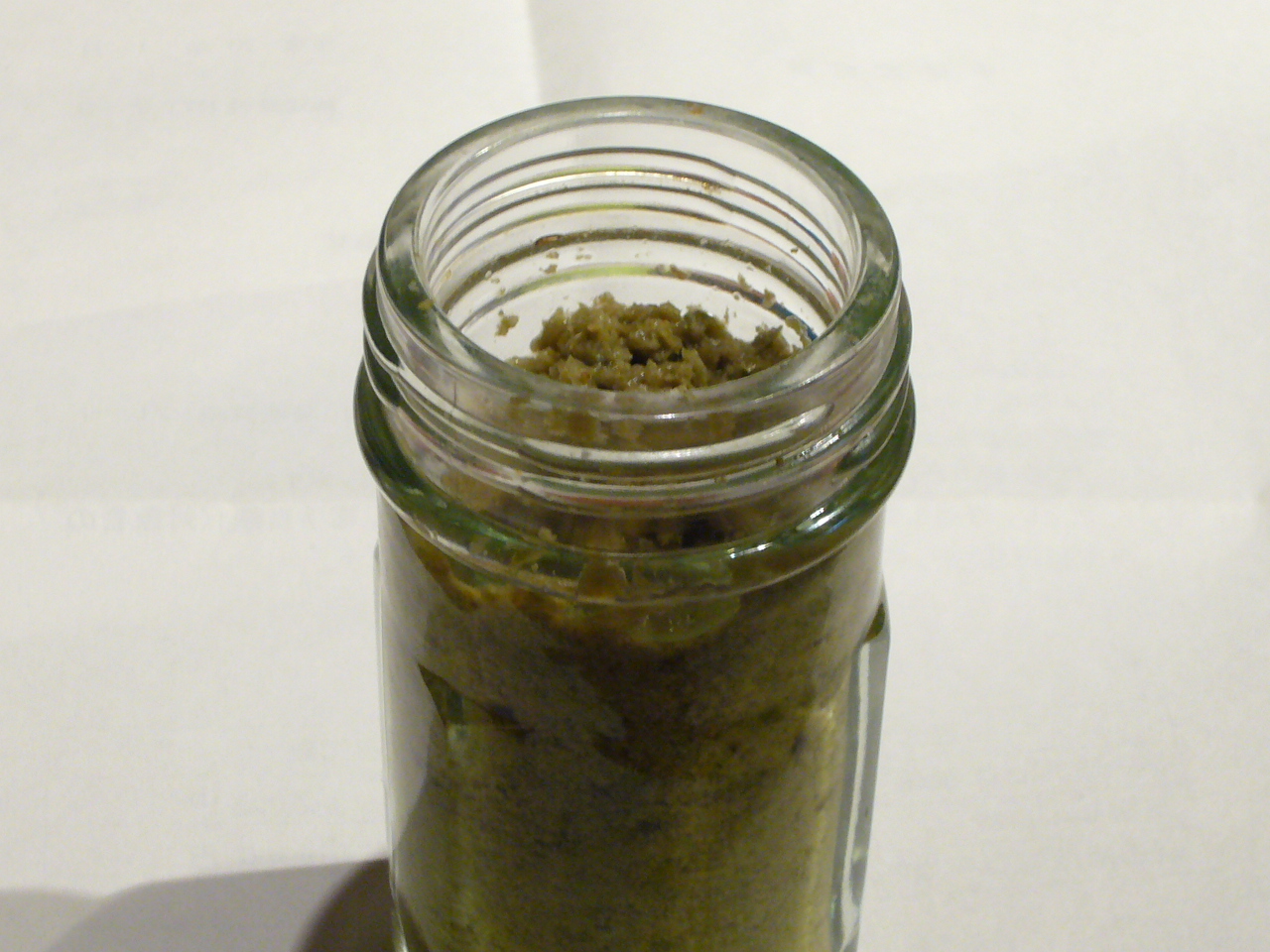
A fermented Japanese paste of chili peppers and yuzu citrus peel.Paste · Hot and fiery · Citrus and bright
🇯🇵 JapanYuzu koshō柚子胡椒
A fermented Japanese paste of chili peppers and yuzu citrus peel.Paste · Hot and fiery · Citrus and bright
 🇲🇽 Mexico and 5 moreHabanero
A very hot chili cultivar with a floral aroma, native to the Amazon and grown in Mexico.Fruit · Hot and fiery · Floral and perfumed
🇲🇽 Mexico and 5 moreHabanero
A very hot chili cultivar with a floral aroma, native to the Amazon and grown in Mexico.Fruit · Hot and fiery · Floral and perfumed