
Kroeung
In its own language: គ្រឿង
The pounded herb paste that gives Khmer dishes their base flavour
Kroeung is a family of herb and spice pastes pounded as the flavour base of Khmer dishes in Cambodia. Lemongrass, kaffir lime, galangal and turmeric are ground in a mortar into red, green or yellow pastes for soups, curries, stuffings and stir-fries.
- Eight core ingredients, with lemongrass, galangal and turmeric at the heart
- Every paste is red, green or yellow, tinted by its dominant spice
- Fish amok uses red kroeung without turmeric, plus extra lime leaves
- Royal kroeung, from the royal dishes, adds coriander and lime leaves
- Teuk kroeung with prahok is a dip for raw or blanched vegetables
What is Kroeung?
Kroeung is not one spice but a family of fragrant pastes that Cambodian cooks pound to start a dish. Fresh lemongrass, kaffir lime zest and leaves, galangal, turmeric, garlic, shallots and dried red chillies form the core, with rhizomes such as lesser galangal, fingerroot and Kaempferia galanga joining as the cook chooses. Everything is chopped small and ground together, traditionally in a heavy mortar and pestle, into a smooth paste. Every paste falls into one of three colours: red, green or yellow, each named for whichever ingredient dominates it. Many Khmer dishes carry the suffix -kroeung to show the paste is inside.
Where does Kroeung come from?
Kroeung is the foundation of Cambodian, or Khmer, cooking, and the word itself is Khmer. The pastes belong to the home kitchen first: an everyday yellow kroeung seasons the common sour stew known as samlor machu kroeung. A second strand runs through royal cooking, where a standardised paste called royal kroeung, drawn from the recipes of royal dishes, adds coriander and kaffir lime leaves to the base. Cooks have carried the habit abroad: where kaffir limes cannot be found, Cambodian communities overseas pound lime leaves into the paste instead of the sun-dried rind used at home.
What does Kroeung taste like?
Flavour shifts with the colour. Red kroeung's deep tint comes from a soaked, dehydrated chilli pod that adds almost no taste of its own; because red dishes are meant to be spicy, cooks may pound in hotter chillies as well. Green kroeung draws on lemongrass leaves and, in some versions, prahok, a fermented fish paste. Yellow kroeung leans on turmeric. Some ingredients go in purely for colour, and an uncooked paste often changes shade as it cooks; a yellow-based stew turns greenish in the pot. Roasted ground rice can lend a smoky note to certain soups.
How Kroeung is grown and processed
Making kroeung is hands-on work. Dried chillies for red kroeung are soaked, seeded and drained; lemongrass stalks are sliced thin and galangal and turmeric diced. Kaffir lime zest, the whole rind dried in the sun, is cut into narrow strips, while the leaves are deveined and finely chopped. The ingredients then go into the mortar in a set order: zest or leaves first, pounded smooth, then chilli, lemongrass, galangal and turmeric until the paste turns deep red, and finally garlic and shallots. For curries, whole spices are traditionally ground in with the herbs. Modern kitchens may use a food processor instead.
Kroeung, drawn
How Kroeung is used
Kroeung is the starting point of the pot: colour pastes go into stuffings, soups and stir-fries. The everyday yellow kroeung bases samlor machu kroeung, a sour stew built on fatty pork, usually ribs, with winter melon or papaya, tamarind for sourness and water spinach. Fish amok uses a red kroeung base that omits turmeric in favour of extra kaffir lime leaves. Green kroeung normally leans on lemongrass leaves over stalks, with rhizome, cinnamon, galangal and turmeric; add prahok and it becomes teuk kroeung, a dip for fresh or lightly blanched vegetables eaten alongside rice. Dishes needing their own paste get one: samlar kakou adds roasted ground rice to its kroeung.
Kroeung in the world's kitchens
The paste defines Khmer cooking in Cambodia, and dishes made with it are often given the suffix -kroeung. Two streams run through the tradition. Individual kroeung is pounded for one dish alone, with extra ingredients that suit it, and is treated as unique to that recipe. Royal kroeung is standardised, the paste of the royal dishes, varied only by coriander and kaffir lime leaves. Overseas, Cambodian cooks keep the habit alive, substituting lime leaves for zest when kaffir limes cannot be found outside Southeast Asia.
At a glance: where it turns up


What to use instead of Kroeung
Swaps are built into the tradition. For curries that call for whole spices ground into the herb paste, curry powder may stand in, though the paste then counts as individual kroeung. Outside Cambodia and the rest of Southeast Asia, where kaffir limes are scarce, cooks use the leaves instead of the sun-dried zest. A food processor can replace the mortar and pestle, and roasted ground rice goes in where a soup wants smokiness.
Meal
Kroeung cooking is everyday eating. Yellow kroeung seasons the ubiquitous samlor machu kroeung, a stew of pork ribs, winter melon or papaya and water spinach that appears in common daily dishes. Teuk kroeung, the green prahok dip, is set out with rice and raw or briefly blanched vegetables, either as a side or as the meal itself. Curries, soups and stir-fries built on the paste fit the midday and evening table.
Questions people ask about Kroeung
What is kroeung?
A family of herb and spice pastes that forms the flavour base of many Khmer dishes in Cambodia. Lemongrass, kaffir lime, galangal, turmeric, garlic, shallots and dried chillies are pounded together, and dishes made with the paste often take the suffix -kroeung.
Where does kroeung come from?
Cambodia. The word is Khmer, and the paste is considered essential to authentic Khmer cooking, from everyday yellow stews to royal dishes. Cambodians living abroad keep making it, using lime leaves where kaffir limes are hard to find.
What does kroeung taste like?
It depends on the paste. Red kroeung is meant for spicy dishes, though its dried chilli adds mostly colour; yellow kroeung leans on turmeric, and green versions may include prahok, a fermented fish paste. Ingredients added only for colour bring little taste of their own.
How is kroeung made?
Traditionally the ingredients are chopped small and pounded in a heavy mortar and pestle, lime zest or leaves first, then chilli, lemongrass, galangal and turmeric, with garlic and shallots last. A food processor works in modern kitchens.
Which dishes use kroeung?
Colour pastes go into stuffings, soups and stir-fries. Yellow kroeung bases the sour stew samlor machu kroeung with pork ribs and water spinach, red kroeung underlies fish amok, and teuk kroeung serves as a dip for fresh or blanched vegetables with rice.
Good reading and sources
- Kroeung on WikipediaEncyclopedia
- More photos on Wikimedia CommonsPhotos and video
- Wikidata recordOpen data
The facts on this page come from the Wikipedia article "Kroeung", written by its contributors and used under the CC BY-SA 4.0 licence, and from its Wikidata record (CC0). EveryMasala rewrote the text in its own words, with AI assistance, and compares every page with the article to make sure no passage is copied. It may be reused under the same CC BY-SA 4.0 licence with a link back.
It may contain mistakes. Names, strengths and customs differ from one grower, kitchen or shop to the next. Traditional and medicinal uses are described as tradition, never as medical advice, and none of this is a substitute for a doctor. If something is wrong, tell us. Last refreshed 2026-10-04.
More from Cambodia
All the spices of Cambodia 🇹🇭 Thailand and 4 moreBenzoin resin
A sweet balsamic tree resin used in incense, perfumes, and traditional medicine.Resin · Sweet and mellow
🇹🇭 Thailand and 4 moreBenzoin resin
A sweet balsamic tree resin used in incense, perfumes, and traditional medicine.Resin · Sweet and mellow
 🇮🇳 India and 4 moreCurry paste
A blended mixture of spices and aromatics used as the base for curries in Asia.Warm and sweet-spiced · Earthy and deep
🇮🇳 India and 4 moreCurry paste
A blended mixture of spices and aromatics used as the base for curries in Asia.Warm and sweet-spiced · Earthy and deep
 🇰🇭 CambodiaKampot sea saltអំបិលសមុទ្រកំពត
Hand-harvested sea salt from the coastal provinces of CambodiaSeasoning
🇰🇭 CambodiaKampot sea saltអំបិលសមុទ្រកំពត
Hand-harvested sea salt from the coastal provinces of CambodiaSeasoning
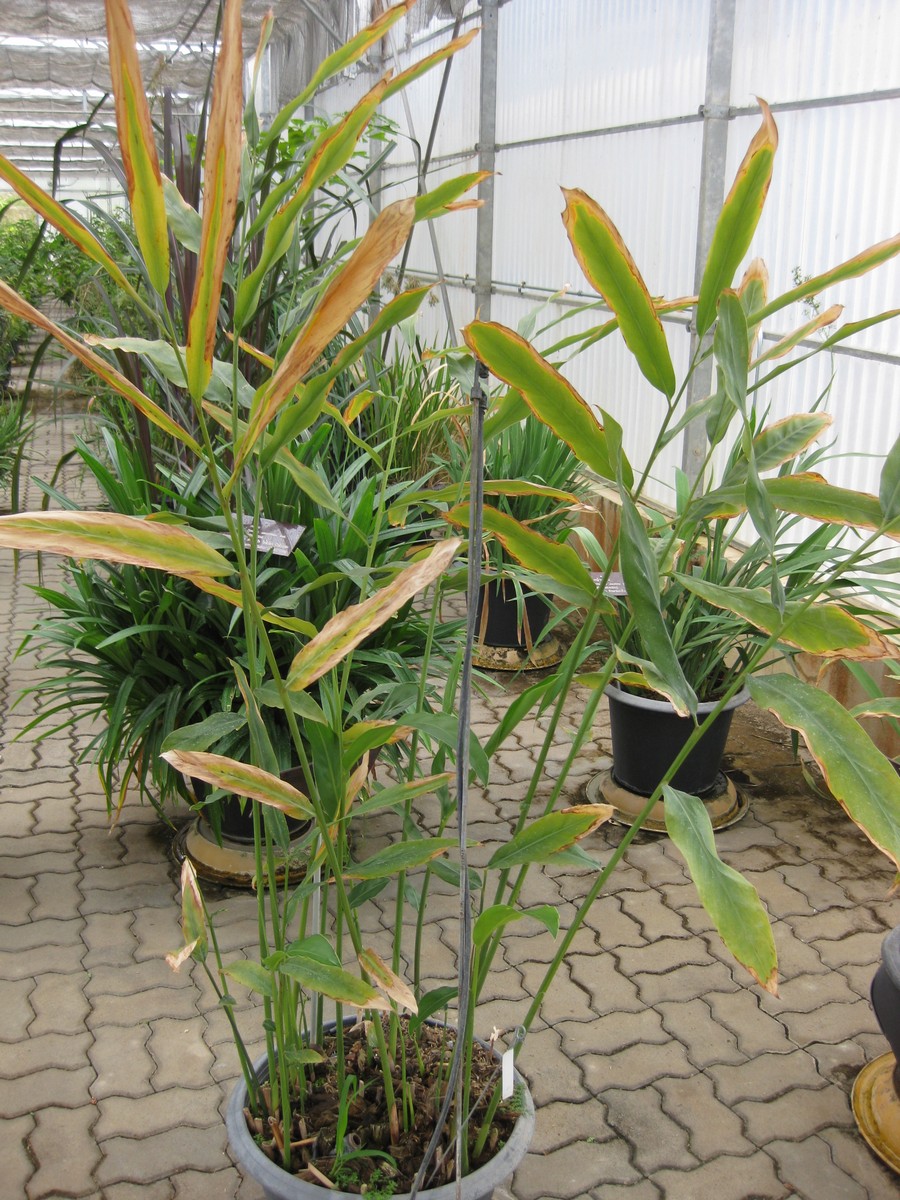 🇮🇩 Indonesia and 5 moreGreater galangalข่า
The pungent rhizome of a ginger relative, essential in Southeast Asian soups and curries.Root · Sharp and pungent · Citrus and bright
🇮🇩 Indonesia and 5 moreGreater galangalข่า
The pungent rhizome of a ginger relative, essential in Southeast Asian soups and curries.Root · Sharp and pungent · Citrus and bright
Its cousins elsewhere
All paste 🇭🇹 HaitiEpis
A blended flavor base of peppers, garlic, and herbs essential to Haitian cookingHot and fiery · Sharp and pungent
🇭🇹 HaitiEpis
A blended flavor base of peppers, garlic, and herbs essential to Haitian cookingHot and fiery · Sharp and pungent
 🇬🇧 United Kingdom and 4 moreRock samphire
A coastal succulent with peppery leaves and carrot-scented roots, used fresh or pickled.Leaf · Hot and fiery · Sharp and pungent
🇬🇧 United Kingdom and 4 moreRock samphire
A coastal succulent with peppery leaves and carrot-scented roots, used fresh or pickled.Leaf · Hot and fiery · Sharp and pungent
 🇨🇦 CanadaMontreal steak seasoning
A dry rub of garlic, pepper, and dill for grilling meat, born in Montreal delis.Sharp and pungent · Warm and sweet-spiced
🇨🇦 CanadaMontreal steak seasoning
A dry rub of garlic, pepper, and dill for grilling meat, born in Montreal delis.Sharp and pungent · Warm and sweet-spiced
 🇲🇽 MexicoChile de árbol
A small, fiery Mexican chili pepper known for its grassy heat and bright red dried pods.Chilli · Hot and fiery · Smoky
🇲🇽 MexicoChile de árbol
A small, fiery Mexican chili pepper known for its grassy heat and bright red dried pods.Chilli · Hot and fiery · Smoky