Ayurveda and traditional medicine: spices in ritual
Spices as the traditional medicine chest: described as tradition, never as medical advice.
Ayurveda is a traditional system of medicine from India, in which spices are described as part of the daily diet and in classical texts. This page describes the tradition and does not give medical advice.
What the tradition says
Ayurvedic texts, such as the Charaka Samhita and Sushruta Samhita, describe foods and plants by taste, called rasa, and by qualities such as warming or cooling. Practitioners describe turmeric, ginger, cumin, coriander, fennel, black pepper and cardamom as everyday kitchen spices, used in line with a person's constitution, as the tradition understands it.
Foods and blends
Traditional preparations include trikatu, a mixture of dried ginger, black pepper and long pepper, and triphala, a fruit blend. Golden milk with turmeric and kitchari, a rice and lentil dish with spices, are popular. These are described as traditional preparations.
A caution
Traditional use is not proof of benefit or safety. Spices in large or concentrated amounts can interact with medicines or affect conditions. Anyone with a health concern, who is pregnant, or who takes medicine should ask a qualified health professional.
Ayurveda and traditional medicine on EveryMasala
The spices written up so far, best known first.
 🇮🇳 India and 4 moreFennel
The anise-scented seeds and crisp bulb of a Mediterranean perennial herbSeed · Anise and liquorice · Sweet and mellow
🇮🇳 India and 4 moreFennel
The anise-scented seeds and crisp bulb of a Mediterranean perennial herbSeed · Anise and liquorice · Sweet and mellow
 🇮🇳 India and 4 moreBasil
A tender culinary herb with glossy leaves and a licorice-like aroma, native to tropical Asia.Leaf · Anise and liquorice · Warm and sweet-spiced
🇮🇳 India and 4 moreBasil
A tender culinary herb with glossy leaves and a licorice-like aroma, native to tropical Asia.Leaf · Anise and liquorice · Warm and sweet-spiced
 🇮🇳 India and 2 moreCardamom
Aromatic seeds from spindle-shaped pods used in sweet and savory dishes across Asia and the Middle East.Seed · Sharp and pungent · Warm and sweet-spiced
🇮🇳 India and 2 moreCardamom
Aromatic seeds from spindle-shaped pods used in sweet and savory dishes across Asia and the Middle East.Seed · Sharp and pungent · Warm and sweet-spiced
 🇮🇳 India and 4 moreEast Indian arrowrootകൂവ
A wild South Asian ginger valued for its turmeric-scented foliage and starchy rhizome.Root · Earthy and deep · Herbal and green
🇮🇳 India and 4 moreEast Indian arrowrootകൂവ
A wild South Asian ginger valued for its turmeric-scented foliage and starchy rhizome.Root · Earthy and deep · Herbal and green
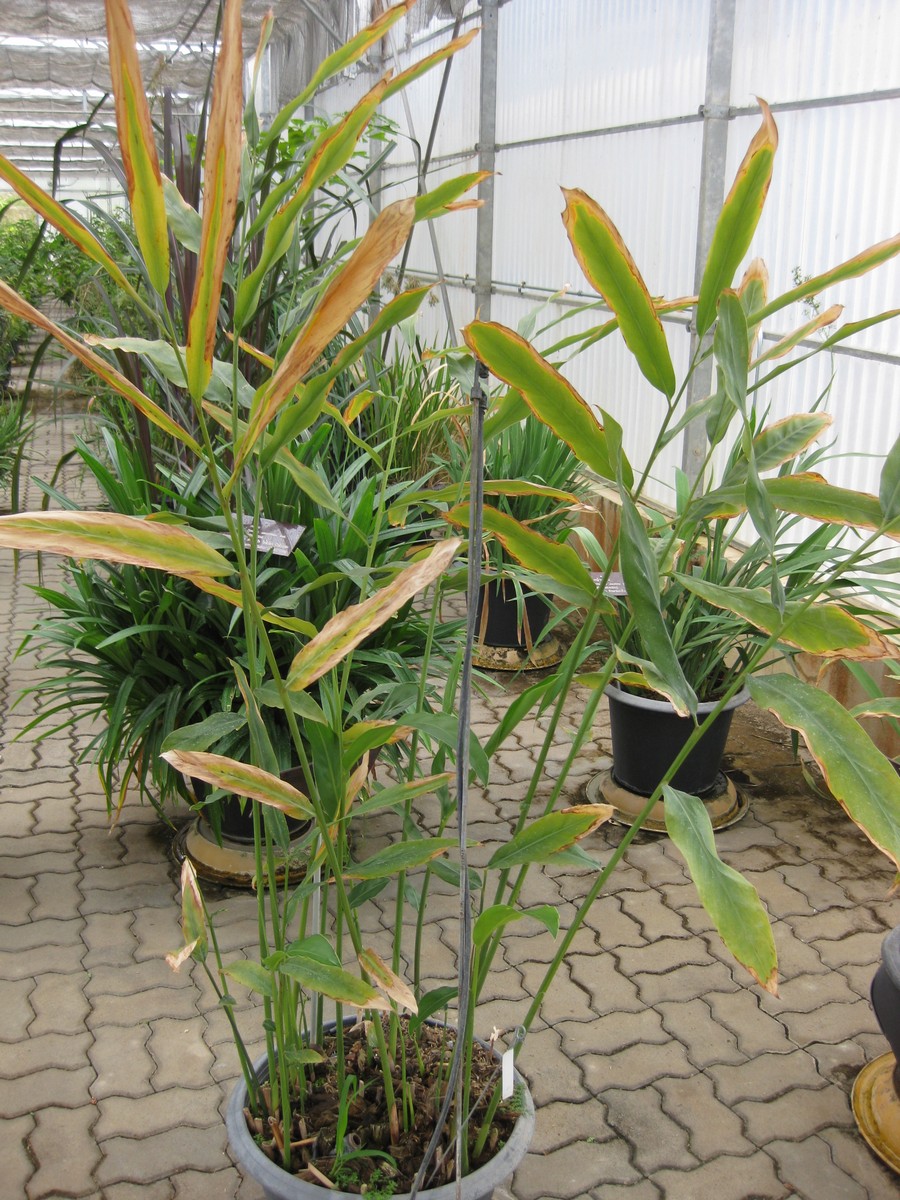 🇮🇩 Indonesia and 5 moreGreater galangalข่า
The pungent rhizome of a ginger relative, essential in Southeast Asian soups and curries.Root · Sharp and pungent · Citrus and bright
🇮🇩 Indonesia and 5 moreGreater galangalข่า
The pungent rhizome of a ginger relative, essential in Southeast Asian soups and curries.Root · Sharp and pungent · Citrus and bright
 🇨🇳 China and 5 moreSichuan pepper花椒 (huājiāo)
The dried husk of Zanthoxylum fruit, prized for its citrus scent and electric numbness.Fruit · Citrus and bright · Sharp and pungent
🇨🇳 China and 5 moreSichuan pepper花椒 (huājiāo)
The dried husk of Zanthoxylum fruit, prized for its citrus scent and electric numbness.Fruit · Citrus and bright · Sharp and pungent
 🇮🇷 Iran and 2 moreAsafoetida
A pungent gum-resin from the Ferula plant, used as a garlic and onion substitute in South Asian cooking.Resin · Sharp and pungent · Earthy and deep
🇮🇷 Iran and 2 moreAsafoetida
A pungent gum-resin from the Ferula plant, used as a garlic and onion substitute in South Asian cooking.Resin · Sharp and pungent · Earthy and deep
 🇬🇷 Greece and 4 moreThyme
The dried leaves of a Mediterranean mint-family herb, used to perfume stews and baths alike.Leaf · Earthy and deep · Warm and sweet-spiced
🇬🇷 Greece and 4 moreThyme
The dried leaves of a Mediterranean mint-family herb, used to perfume stews and baths alike.Leaf · Earthy and deep · Warm and sweet-spiced
 🇮🇳 India and 3 moreBlack saltकाला नमक
A kiln-fired rock salt with a sulphurous aroma used in South Asian cooking and Ayurveda.Sharp and pungent · Sour and tart
🇮🇳 India and 3 moreBlack saltकाला नमक
A kiln-fired rock salt with a sulphurous aroma used in South Asian cooking and Ayurveda.Sharp and pungent · Sour and tart
 🇮🇳 India and 1 moreIndian costusकुष्ठ (kuṣṭha)
The dried root of a Himalayan thistle, used for centuries in perfumes and traditional remedies.Root · Hot and fiery · Sharp and pungent
🇨🇳 China and 4 moreLesser galangal高良薑
An aromatic Asian rhizome with orange flesh and a sweet, gentle spiceRoot · Sweet and mellow · Warm and sweet-spiced
🇮🇳 India and 1 moreIndian costusकुष्ठ (kuṣṭha)
The dried root of a Himalayan thistle, used for centuries in perfumes and traditional remedies.Root · Hot and fiery · Sharp and pungent
🇨🇳 China and 4 moreLesser galangal高良薑
An aromatic Asian rhizome with orange flesh and a sweet, gentle spiceRoot · Sweet and mellow · Warm and sweet-spiced
 🇮🇳 India and 5 moreCumin
The dried seed of a small parsley-family herb, used whole or ground in many world cuisines.Seed · Warm and sweet-spiced · Earthy and deep
🇮🇩 Indonesia and 3 moreGalangal
The pungent rhizome of the ginger family, essential to Southeast Asian soups and pastes.Root · Sharp and pungent · Warm and sweet-spiced
🇮🇳 India and 5 moreCumin
The dried seed of a small parsley-family herb, used whole or ground in many world cuisines.Seed · Warm and sweet-spiced · Earthy and deep
🇮🇩 Indonesia and 3 moreGalangal
The pungent rhizome of the ginger family, essential to Southeast Asian soups and pastes.Root · Sharp and pungent · Warm and sweet-spiced
 🇮🇳 India and 5 moreTurmericहल्दी
The dried rhizome of a tropical ginger relative, prized for its golden color and earthy bite.Root · Warm and sweet-spiced · Bitter
🇮🇳 India and 5 moreTurmericहल्दी
The dried rhizome of a tropical ginger relative, prized for its golden color and earthy bite.Root · Warm and sweet-spiced · Bitter
 🇱🇾 Libya and 5 moreWhorled savoryza'atar rumi; za'atar franji
A pungent Mediterranean shrub with dark leaves and pink flowers, used in ancient cooking and modern herbal teas.Sharp and pungent · Herbal and green
🇱🇾 Libya and 5 moreWhorled savoryza'atar rumi; za'atar franji
A pungent Mediterranean shrub with dark leaves and pink flowers, used in ancient cooking and modern herbal teas.Sharp and pungent · Herbal and green
 🇹🇷 Turkey and 5 moreBay Laurelδάφνη
The dried leaf of a Mediterranean evergreen, used to infuse slow-cooked dishes with herbal depth.Sharp and pungent · Bitter
🇹🇷 Turkey and 5 moreBay Laurelδάφνη
The dried leaf of a Mediterranean evergreen, used to infuse slow-cooked dishes with herbal depth.Sharp and pungent · Bitter
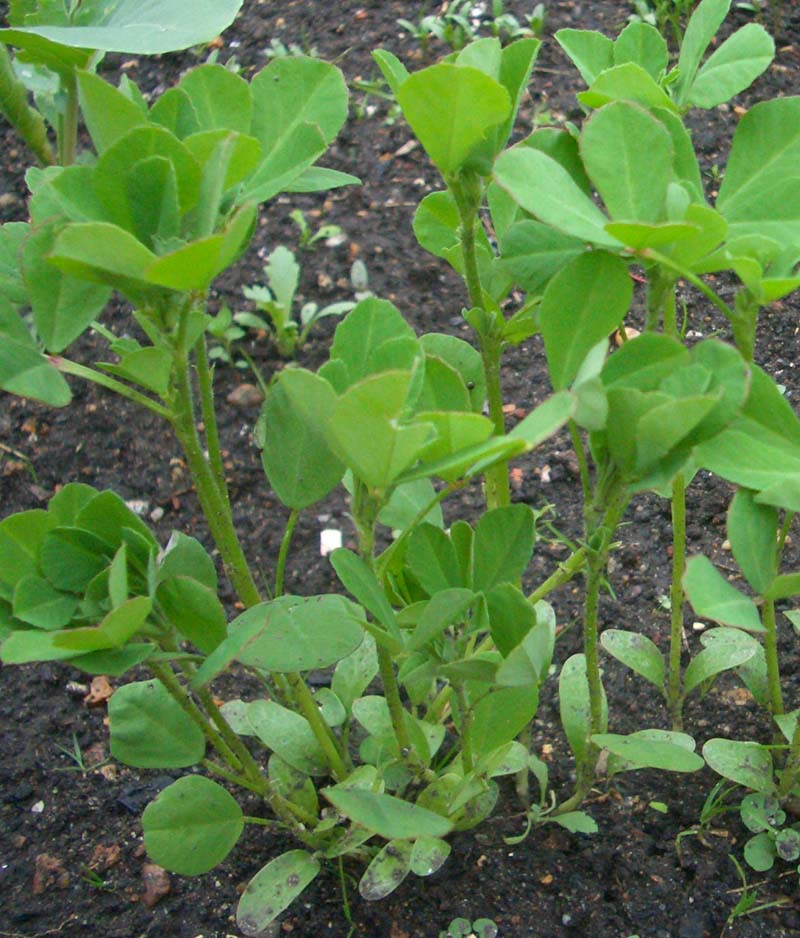 🇮🇳 India and 5 moreFenugreekحلبة (hilba)
The cuboid seed of an annual legume, prized for its bitter warmth and maple aroma.Seed · Bitter · Warm and sweet-spiced
🇮🇳 India and 5 moreFenugreekحلبة (hilba)
The cuboid seed of an annual legume, prized for its bitter warmth and maple aroma.Seed · Bitter · Warm and sweet-spiced
 🇪🇹 Ethiopia and 4 moreKorarima
The dried seeds of a wild ginger relative, essential to Ethiopian and Eritrean cooking.Seed · Warm and sweet-spiced · Citrus and bright
🇪🇹 Ethiopia and 4 moreKorarima
The dried seeds of a wild ginger relative, essential to Ethiopian and Eritrean cooking.Seed · Warm and sweet-spiced · Citrus and bright
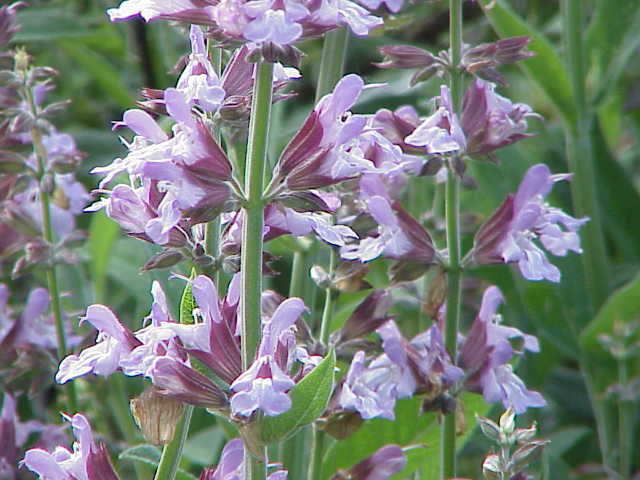 🇮🇹 Italy and 2 moreCommon sage
The gray-green leaves of a Mediterranean perennial used in European roasts and traditional remedies.Leaf · Herbal and green
🇮🇹 Italy and 2 moreCommon sage
The gray-green leaves of a Mediterranean perennial used in European roasts and traditional remedies.Leaf · Herbal and green
 🇮🇳 India and 1 moreGarden cress
A fast-growing edible herb with peppery leaves and seeds used in salads and traditional medicine.Leaf · Sharp and pungent · Sour and tart
🇮🇳 India and 1 moreGarden cress
A fast-growing edible herb with peppery leaves and seeds used in salads and traditional medicine.Leaf · Sharp and pungent · Sour and tart
 🇰🇷 South Korea and 5 moreKorean mint배초향
An anise-scented Asian mint leaf used in Korean stews and herbal traditionsLeaf · Anise and liquorice · Herbal and green
🇰🇷 South Korea and 5 moreKorean mint배초향
An anise-scented Asian mint leaf used in Korean stews and herbal traditionsLeaf · Anise and liquorice · Herbal and green
 🇮🇳 India and 5 moreLemongrasssereh; tanglad; takhrai; sera
A tropical grass with citrus-scented stalks used in Asian soups and herbal teasLeaf · Citrus and bright · Sweet and mellow
🇮🇳 India and 5 moreLemongrasssereh; tanglad; takhrai; sera
A tropical grass with citrus-scented stalks used in Asian soups and herbal teasLeaf · Citrus and bright · Sweet and mellow
 🇮🇩 Indonesia and 5 moreKencur沙姜
A stemless ginger-family rhizome with a peppery, camphorous biteRoot · Sharp and pungent · Herbal and green
🇮🇩 Indonesia and 5 moreKencur沙姜
A stemless ginger-family rhizome with a peppery, camphorous biteRoot · Sharp and pungent · Herbal and green
 🇻🇳 Vietnam and 4 moreHouttuynia折耳根
A heart-shaped herb with a sharp fishy taste used in salads and teas across Asia.Leaf · Sharp and pungent · Citrus and bright
🇻🇳 Vietnam and 4 moreHouttuynia折耳根
A heart-shaped herb with a sharp fishy taste used in salads and teas across Asia.Leaf · Sharp and pungent · Citrus and bright
 🇨🇳 China and 1 moreChenpi陳皮
Sun-dried mandarin orange peel aged for use in Chinese cooking and medicineFruit · Sweet and mellow · Sharp and pungent
🇨🇳 China and 1 moreChenpi陳皮
Sun-dried mandarin orange peel aged for use in Chinese cooking and medicineFruit · Sweet and mellow · Sharp and pungent
Photo credits on this page
The small pictures above come from Wikimedia Commons under free licences. Some are cropped to fit.
- Sichuan pepper: Didier Descouens, CC BY-SA 4.0, source
- Indian costus: Vinayaraj, CC BY-SA 4.0, source
- Turmeric: J.M.Garg, CC BY 3.0, source
- Black salt: Jellyboots ( talk ), CC BY-SA 3.0, source
- Chenpi: Dboxes, CC BY-SA 3.0, source
- Houttuynia: Agnieszka Kwiecień, Nova, CC BY-SA 4.0, source
- Kencur: Hariadhi, CC BY-SA 4.0, source
- Cumin: Sanjay Acharya, CC BY-SA 3.0, source
- Asafoetida: Toyah, CC BY-SA 3.0, source
- East Indian arrowroot: Jeevan Jose, Kerala, India, CC BY-SA 4.0, source
- Greater galangal: Raffi Kojian, CC BY-SA 3.0, source
- Thyme: Evan-Amos, CC0, source
- Fenugreek: Yak, CC BY-SA 3.0, source
- Korarima: Joe Castleman ( Gyrofrog ), CC BY-SA 3.0, source
- Common sage: Kurt Stüber [1], CC BY-SA 3.0, source
- Garden cress: Unknown author, CC BY-SA 3.0, source
- Korean mint: Dalgial, CC BY-SA 3.0, source
- Lemongrass: Unknown author, CC BY 2.0, source
- Whorled savory: Marco Barberini, CC BY-SA 4.0, source
- Cardamom: Didier Descouens, CC BY-SA 4.0, source
- Basil: Castielli, CC BY-SA 3.0, source
- Bay Laurel: Forest and Kim Starr, CC BY 3.0 us, source
- Fennel: Elekes Andor, CC BY 4.0, source