Nufar basil
Ocimum basilicum
A sweet basil variety bred in Israel to resist a deadly fungal wilt disease.
Nufar is a cultivated variety of sweet basil developed to withstand fusarium wilt, a soil-borne fungus that kills many herb plants. Released in 1999 by Israeli researchers, it remains healthy even when the pathogen is present in the ground.
- First sweet basil variety resistant to fusarium wilt.
- Released in Israel in 1999 by the Agricultural Research Organization.
- Resistant to Fusarium oxysporum f. sp. basilicum fungus.
- Developed from US-introduced plants reselected in Israel.
- Commercialized by Genesis Seeds.
What is Nufar basil?
Nufar basil is a specific cultivar of sweet basil known for its resilience against plant diseases. It belongs to the species Ocimum basilicum and produces aromatic leaves used as an herb. The plant looks like standard sweet basil but possesses a unique genetic trait that allows it to survive infections that would typically kill other varieties. Its leaves retain their fresh green colour and culinary qualities while maintaining health in poor soil conditions.
Where does Nufar basil come from?
The variety was created in Israel through selective breeding programs led by the Agricultural Research Organization. Breeders identified resistant germ plasm in local basil plants originally introduced from the United States. These plants were reselected in Israeli greenhouses for their ability to survive in soil heavily infested with fusarium wilt fungus. The final variety was officially released in 1999 after years of testing to ensure stable resistance.
What does Nufar basil taste like?
As a variety of sweet basil, Nufar shares the classic mild, slightly peppery, and clove-like flavour profile associated with Ocimum basilicum. The leaves offer a fresh herbal taste commonly used to enhance dishes. While the primary distinction of this variety is its biological resistance rather than a unique taste, it maintains the expected aromatic quality of sweet basil leaves.
How Nufar basil is grown and processed
Nufar basil is grown in agricultural settings where fusarium wilt is a common threat. The breeding process involved planting seeds in naturally infested soil within greenhouses to select only those plants that remained symptomless. This rigorous selection ensured that the resulting line carries a dominant gene for resistance. Commercial seeds are distributed by Genesis Seeds, allowing growers to cultivate the herb without the risk of sudden wilting caused by the Fusarium oxysporum fungus.
Nufar basil, drawn
How Nufar basil is used
The leaves of Nufar basil are used as a culinary herb, similar to other sweet basil varieties. They can be added fresh to salads, pasta dishes, sauces, or sandwiches. Because the plant resists a major soil disease, it provides a reliable source of fresh herbs for cooking even in challenging growing environments. The leaves are harvested and used whole or chopped to impart their characteristic sweet herbal note to meals.
Nufar basil in the world's kitchens
Nufar basil is primarily associated with Israeli cuisine and agriculture. It was developed specifically to support local herb production in Israel. The variety fits into Mediterranean-style cooking where fresh basil is a staple. While sweet basil is used globally, Nufar represents a localized agricultural achievement designed to sustain local supply chains for this essential herb.
At a glance: where it turns up
By meal
Cuisines
Spiritual and ceremonial use
There is no specific information regarding religious rituals or spiritual uses associated with Nufar basil in the available sources. It is treated primarily as an agricultural and culinary product rather than a sacred item.
Traditional and medicinal use
No traditional medicinal uses or folk medicine practices are recorded for Nufar basil in the provided material. Its significance lies entirely in its agricultural value as a disease-resistant crop rather than in historical healing traditions.
Buying and storing Nufar basil
General handling of fresh basil leaves applies.
What to use instead of Nufar basil
Other varieties of sweet basil (Ocimum basilicum) can be used as substitutes if Nufar is unavailable. However, these alternatives may lack the specific resistance to fusarium wilt, making them more susceptible to soil-borne diseases during cultivation.
The trade in Nufar basil
Commercialization of Nufar basil seeds is handled by Genesis Seeds. The development involved international collaboration, starting with germ plasm from the United States and completing the breeding process in Israel. The variety represents a specialized agricultural product aimed at solving a specific problem for growers dealing with fusarium wilt.
Meal
This herb is versatile enough for various eating occasions. It is commonly used in lunch preparations such as salads and sandwiches. It also serves well as a snack ingredient or garnish. The fresh leaves can be incorporated into dinner dishes like pasta or pizza toppings. Additionally, they may be used in preserves or simple street-food applications where fresh herbs are valued.
Questions people ask about Nufar basil
What makes Nufar basil different from other sweet basil?
Nufar basil is distinct because it is resistant to fusarium wilt, a deadly fungal disease that kills many basil plants. It remains healthy even when planted in soil infected with the fungus.
Where did Nufar basil originate?
It originated in Israel. Breeders at the Agricultural Research Organization developed it by selecting resistant plants from a variety originally introduced from the United States.
How does Nufar basil taste?
It tastes like standard sweet basil, offering a mild, sweet, and slightly peppery herbal flavour typical of Ocimum basilicum leaves.
Who sells Nufar basil seeds?
The commercial seeds for Nufar basil are marketed and sold by Genesis Seeds, following its release in 1999.
Good reading and sources
The facts on this page come from the Wikipedia article "Nufar basil", written by its contributors and used under the CC BY-SA 4.0 licence, and from its Wikidata record (CC0). EveryMasala rewrote the text in its own words, with AI assistance, and compares every page with the article to make sure no passage is copied. It may be reused under the same CC BY-SA 4.0 licence with a link back.
It may contain mistakes. Names, strengths and customs differ from one grower, kitchen or shop to the next. Traditional and medicinal uses are described as tradition, never as medical advice, and none of this is a substitute for a doctor. If something is wrong, tell us. Last refreshed 2026-10-04.
More from Israel
All the spices of Israel 🇵🇸 Palestine and 4 moreGreek sage
A hairy Mediterranean shrub with pink flowers and edible fruit galls.Leaf · Herbal and green · Sweet and mellow
🇵🇸 Palestine and 4 moreGreek sage
A hairy Mediterranean shrub with pink flowers and edible fruit galls.Leaf · Herbal and green · Sweet and mellow
 🇮🇱 Israel and 5 moreCoriander
The leaves and dried seeds of an annual Mediterranean herb used in cuisines worldwide.Leaf · Citrus and bright · Warm and sweet-spiced
🇮🇱 Israel and 5 moreCoriander
The leaves and dried seeds of an annual Mediterranean herb used in cuisines worldwide.Leaf · Citrus and bright · Warm and sweet-spiced
 🇾🇪 Yemen and 1 moreHilbehحلبة
A frothy Yemeni condiment made from ground fenugreek seeds and waterPaste · Bitter · Earthy and deep
🇾🇪 Yemen and 1 moreHilbehحلبة
A frothy Yemeni condiment made from ground fenugreek seeds and waterPaste · Bitter · Earthy and deep
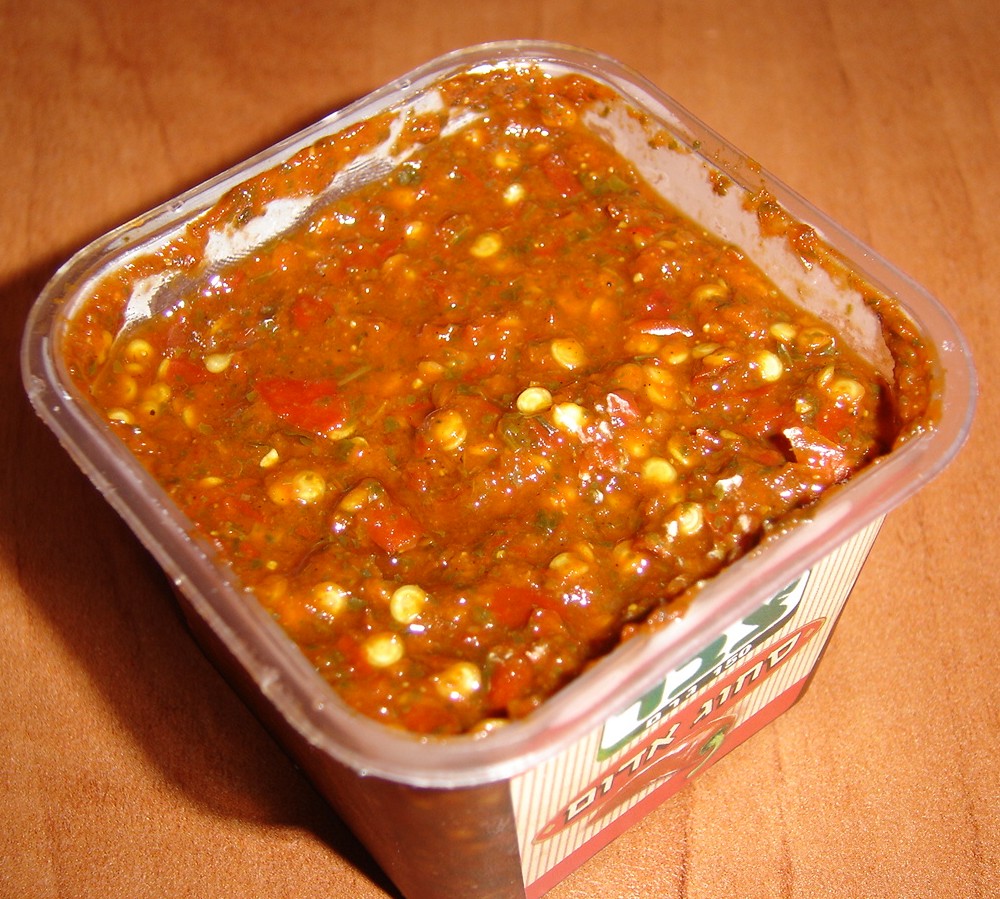 🇾🇪 Yemen and 1 moreZhugسحوق
A Yemeni hot sauce of crushed chilies, garlic, and corianderHot and fiery · Sharp and pungent
🇾🇪 Yemen and 1 moreZhugسحوق
A Yemeni hot sauce of crushed chilies, garlic, and corianderHot and fiery · Sharp and pungent
Its cousins elsewhere
All leaf 🇮🇳 India and 4 moreFennel
The anise-scented seeds and crisp bulb of a Mediterranean perennial herbSeed · Anise and liquorice · Sweet and mellow
🇮🇳 India and 4 moreFennel
The anise-scented seeds and crisp bulb of a Mediterranean perennial herbSeed · Anise and liquorice · Sweet and mellow
 🇱🇰 Sri Lanka and 5 moreCinnamon
The dried inner bark of Cinnamomum trees, prized for its sweet warmth and essential oil.Bark · Warm and sweet-spiced · Sweet and mellow
🇱🇰 Sri Lanka and 5 moreCinnamon
The dried inner bark of Cinnamomum trees, prized for its sweet warmth and essential oil.Bark · Warm and sweet-spiced · Sweet and mellow
 🇮🇩 Indonesia and 3 moreNutmeg
The dried seed of a tropical evergreen tree, prized for its warm, pungent flavor.Seed · Warm and sweet-spiced · Sweet and mellow
🇮🇩 Indonesia and 3 moreNutmeg
The dried seed of a tropical evergreen tree, prized for its warm, pungent flavor.Seed · Warm and sweet-spiced · Sweet and mellow
 🇷🇺 Russia and 4 moreTarragon
A slender perennial herb with anise-scented leaves, prized in French and Middle Eastern cooking.Leaf · Anise and liquorice · Sweet and mellow
🇷🇺 Russia and 4 moreTarragon
A slender perennial herb with anise-scented leaves, prized in French and Middle Eastern cooking.Leaf · Anise and liquorice · Sweet and mellow