
Benzoin resin
Styrax benzoin
A sweet balsamic tree resin used in incense, perfumes, and traditional medicine.
Benzoin is a fragrant balsamic resin tapped from the bark of Styrax trees. It has a sweet vanilla-like aroma and serves as a fixative in perfumery and a key ingredient in church and temple incense across Asia and Europe.
- Derived from Styrax tree bark in Southeast Asia
- Primary scent is sweet vanilla and balsam
- Used as a fixative in perfumery
- Burned as incense in Hindu and Christian rituals
- Contains benzoic acid as active ingredient
What is Benzoin resin?
Benzoin resin is a solidified sap harvested from the bark of several Styrax tree species. It appears as rough, amber-colored tears or powder. Its primary chemical component is benzoic acid, which gives it its characteristic scent and preservative qualities. It is often called gum benzoin or benjamin in older texts.
Where does Benzoin resin come from?
The name derives from the Arabic lubān jāwī, meaning frankincense from Java. Two main types exist: Benzoin Siam, sourced from trees in Thailand, Laos, Cambodia, and Vietnam, and Benzoin Sumatra, from Indonesia. Siamese resin is sweeter and more powdery, while Sumatran resin contains cinnamic acid, adding a spicy note to its profile.
What does Benzoin resin taste like?
The aroma is dominated by sweet vanilla notes balanced with balsamic depth. Benzoin Siam offers a clean, powdery sweetness. Benzoin Sumatra adds a spicier, woodier dimension due to cinnamic acid. In cooking, it provides a subtle vanilla flavoring without the moisture of extract. In perfumery, it acts as a fixative, slowing the evaporation of lighter essential oils to prolong scent.
How Benzoin resin is grown and processed
Resin is tapped from the bark of mature Styrax trees. The sap hardens upon exposure to air, forming brittle tears that are collected and cleaned. Processing involves sorting by type and origin. Siam varieties come from northern Southeast Asian forests, while Sumatra types are harvested on the Indonesian island. The raw resin may be ground into powder for use.
Benzoin resin, drawn
How Benzoin resin is used
Culinary uses include flavoring alcoholic beverages, baked goods, chewing gum, and frozen dairy. It is rarely used alone but enhances sweet profiles. In non-food applications, it is a staple in incense production. It burns cleanly on charcoal, releasing its fragrance. It is also used in scented candles, cosmetics, and veterinary adhesives for wound care.
Benzoin resin in the world's kitchens
It features in Indian traditions as Sambrani, burned in temples. In the Middle East, it blends with wood chips for Bakhoor. Russian Orthodox and Latin Catholic churches use it in liturgical incense. Japanese and Chinese incense makers incorporate it into blended sticks. Western perfumery relies on it for base notes in fragrances.
At a glance: where it turns up
By meal
Spiritual and ceremonial use
Hindu temples in India burn it on charcoal as an offering. Eastern Orthodox Christian churches mix it with other resins for worship incense. Latin Catholic rites also utilize it. In the Arabian Peninsula, it is a core component of scented wood chip blends used for hospitality and purification rituals.
Benzoin resin at celebrations
It is used in daily religious observances rather than specific festivals. Temple offerings occur regularly. Church services employ it consistently. Hospitality settings in Arab cultures may use it to welcome guests.
Traditional and medicinal use
Tincture of benzoin is a traditional medicinal preparation. It is applied to skin to protect minor cuts and prevent blisters. Historically, it served as an adhesive for dressings. Ayurvedic and folk practices value its antiseptic properties. It is never consumed as a cure but applied topically or burned for aromatic purposes.
Buying and storing Benzoin resin
Keep resin in a cool, dry place to maintain its fragrance. Store in airtight containers to prevent volatilization of essential oils. Powdered forms absorb moisture faster than whole tears. Check for clumping or loss of scent as indicators of age. Properly stored, it remains usable for years.
What to use instead of Benzoin resin
Vanilla extract mimics the sweet flavor in baking but lacks the smoky incense quality. Other balsamic resins like labdanum offer similar fixative properties in perfumery. Frankincense provides a different aromatic profile but serves a similar ritual purpose. No single spice replicates its exact vanilla-balsamic balance.
The trade in Benzoin resin
Global trade distinguishes between Siam and Sumatra grades. Siam resin dominates the flavoring market, while Sumatra is preferred in pharmaceuticals. Historical routes moved it from Java and Southeast Asia to Europe. Today, Thailand, Indonesia, and Vietnam are key producers. Adulteration with synthetic vanillin can occur in lower grades.
Meal
It flavors drinks and desserts rather than savory meals. You might find it in sweet liqueurs, puddings, gelatins, soft candies, and baked pastries. It adds a warm vanilla background note to these items. It is not typically used in breakfast or lunch dishes, nor in street food contexts.
Questions people ask about Benzoin resin
What does benzoin resin smell like?
It has a sweet, vanilla-like aroma with balsamic and woody undertones. The scent is warm and powdery, especially in the Siam variety. It acts as a fixative, making other fragrances last longer.
Where does benzoin resin come from?
It comes from the bark of Styrax trees native to Southeast Asia. Major sources include Thailand, Laos, Cambodia, Vietnam, and Indonesia. Two main types are Siam and Sumatra benzoin.
How is benzoin used in cooking?
It flavors sweet foods like baked goods, chewing gum, and frozen dairy. It is also used in alcoholic and non-alcoholic beverages. It provides a subtle vanilla note without adding moisture.
Is benzoin used in religion?
Yes. Hindu temples in India burn it as incense. Eastern Orthodox and Latin Catholic churches use it in liturgical ceremonies. It is also part of Arabian Bakhoor blends for hospitality.
What is tincture of benzoin?
It is a medicinal solution made by dissolving benzoin resin in ethanol. It is applied to skin to protect minor cuts and prevent blisters. It acts as an adhesive for wound dressings.
Good reading and sources
- Benzoin resin on WikipediaEncyclopedia
- More photos on Wikimedia CommonsPhotos and video
- Wikidata recordOpen data
The facts on this page come from the Wikipedia article "Benzoin resin", written by its contributors and used under the CC BY-SA 4.0 licence, and from its Wikidata record (CC0). EveryMasala rewrote the text in its own words, with AI assistance, and compares every page with the article to make sure no passage is copied. It may be reused under the same CC BY-SA 4.0 licence with a link back.
It may contain mistakes. Names, strengths and customs differ from one grower, kitchen or shop to the next. Traditional and medicinal uses are described as tradition, never as medical advice, and none of this is a substitute for a doctor. If something is wrong, tell us. Last refreshed 2026-10-04.
More from Thailand
All the spices of Thailand 🇱🇦 Laos and 2 moreKhao khuaເຂົ້າຂົ້ວ
Dry-toasted sticky rice, ground rough, the nutty backbone of Lao laabSeed · Smoky
🇱🇦 Laos and 2 moreKhao khuaເຂົ້າຂົ້ວ
Dry-toasted sticky rice, ground rough, the nutty backbone of Lao laabSeed · Smoky
 🇮🇩 Indonesia and 3 moreTemulawak
The rhizome of a Javanese ginger relative, used for its earthy flavour and traditional wellness drinks.Root · Earthy and deep · Bitter
🇮🇩 Indonesia and 3 moreTemulawak
The rhizome of a Javanese ginger relative, used for its earthy flavour and traditional wellness drinks.Root · Earthy and deep · Bitter
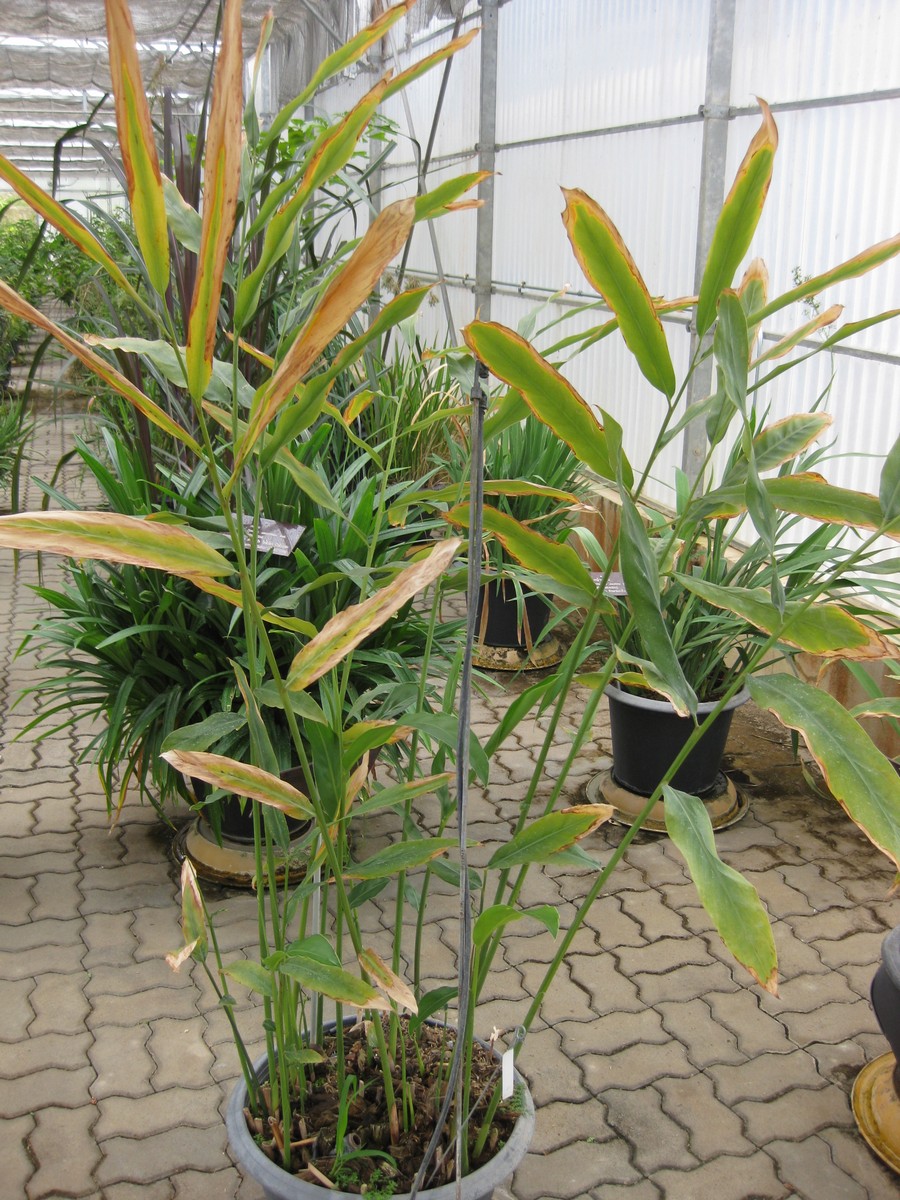 🇮🇩 Indonesia and 5 moreGreater galangalข่า
The pungent rhizome of a ginger relative, essential in Southeast Asian soups and curries.Root · Sharp and pungent · Citrus and bright
🇮🇩 Indonesia and 5 moreGreater galangalข่า
The pungent rhizome of a ginger relative, essential in Southeast Asian soups and curries.Root · Sharp and pungent · Citrus and bright
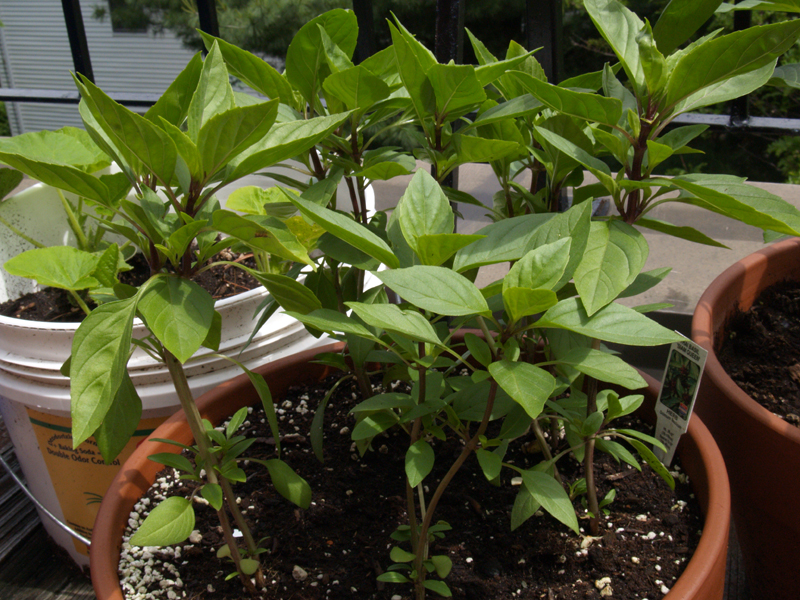 🇹🇭 Thailand and 3 moreThai basilโหระพา
A Southeast Asian herb with purple stems and anise notes, used in curries and soups.Leaf · Anise and liquorice · Hot and fiery
🇹🇭 Thailand and 3 moreThai basilโหระพา
A Southeast Asian herb with purple stems and anise notes, used in curries and soups.Leaf · Anise and liquorice · Hot and fiery
Its cousins elsewhere
All resin 🇮🇳 India and 4 moreFennel
The anise-scented seeds and crisp bulb of a Mediterranean perennial herbSeed · Anise and liquorice · Sweet and mellow
🇮🇳 India and 4 moreFennel
The anise-scented seeds and crisp bulb of a Mediterranean perennial herbSeed · Anise and liquorice · Sweet and mellow
 🇱🇰 Sri Lanka and 5 moreCinnamon
The dried inner bark of Cinnamomum trees, prized for its sweet warmth and essential oil.Bark · Warm and sweet-spiced · Sweet and mellow
🇱🇰 Sri Lanka and 5 moreCinnamon
The dried inner bark of Cinnamomum trees, prized for its sweet warmth and essential oil.Bark · Warm and sweet-spiced · Sweet and mellow
 🇷🇺 Russia and 4 moreTarragon
A slender perennial herb with anise-scented leaves, prized in French and Middle Eastern cooking.Leaf · Anise and liquorice · Sweet and mellow
🇷🇺 Russia and 4 moreTarragon
A slender perennial herb with anise-scented leaves, prized in French and Middle Eastern cooking.Leaf · Anise and liquorice · Sweet and mellow
 🇦🇺 AustraliaWattleseed
The edible seed of Australian Acacia trees, traditionally ground into flour by Aboriginal Australians.Seed · Sweet and mellow · Earthy and deep
🇦🇺 AustraliaWattleseed
The edible seed of Australian Acacia trees, traditionally ground into flour by Aboriginal Australians.Seed · Sweet and mellow · Earthy and deep