Ogiri
In its own language: Ògìrì
A fermented West African seasoning made from oil-bearing seeds.
Ogiri is an umami-rich condiment developed by the Yoruba people of West Africa. It is created by fermenting various oil-bearing seeds, most commonly melon or sesame. The paste has a pungent aroma similar to aged cheese or miso and is used to deepen the flavor of local dishes.
- Fermented oil-bearing seed condiment from West Africa.
- Developed by the Yoruba people of Nigeria.
- Tastes umami with a scent like cheese or miso.
- Commonly made from melon, sesame, or castor beans.
- Used by Yoruba, Igbo, and Krio communities.
What is Ogiri?
Ogiri is a traditional West African seasoning paste known for its deep umami character. It is produced by fermenting oil-bearing seeds, with egusi (melon seeds) being the primary base. Other varieties exist using sesame, castor oil beans, fluted pumpkin seeds, watermelon seeds, or peanuts. The resulting product is a thick condiment with a strong scent often compared to cheese, miso, or stinky tofu. It is distinct from iru, which is made from locust bean seeds, though both are fermented condiments used in similar culinary contexts.
Where does Ogiri come from?
The condiment was developed by the Yoruba people of Nigeria. Linguistic evidence from an 1843 Yoruba lexicon shows separate entries for ogiri and iru, indicating they have different origins. The term was later adopted into the Igbo language through migration and cultural exchange. Among the Igbo, it is sometimes referred to as Ogiri Igbo or Ogiri Isi when made from sesame or castor beans. A related condiment called okpehe is native to the Igala and Idoma peoples of Nigeria's Middle Belt, made from African mesquite bean seeds.
What does Ogiri taste like?
The primary taste profile of ogiri is umami, providing a savory depth to food. Its aroma is intense and pungent, frequently described as resembling aged cheese, fermented soy products like miso, or stinky tofu. This strong smell comes from the fermentation process of the oil seeds. The flavor is earthy and rich, serving as a foundational seasoning rather than a spicy heat source.
How Ogiri is grown and processed
Ogiri is not grown as a single crop but is processed from harvested oil-bearing seeds. Common substrates include melon seeds (egusi), sesame, castor oil beans, fluted pumpkin seeds, watermelon seeds, and peanuts. The seeds are collected and then undergo fermentation. The process transforms the raw seeds into a paste-like condiment. While melon seeds are the most common base, other seeds are used less frequently depending on regional availability and tradition.
Ogiri, drawn
How Ogiri is used
It is used as a local seasoning or food condiment in West African cooking. The Yoruba, Ijebu, Ekiti, Ondo, Osun, Oyo, and Igbo peoples use it to flavor dishes. It is added to soups and stews to enhance their savory quality. In Sierra Leone, the Krio people use a version called ogiri saro. It is typically prepared as a paste and incorporated into meals during dinner or main courses to provide a complex, fermented flavor base.
Ogiri in the world's kitchens
The spice is central to Yoruba and Igbo cuisines in Nigeria. It is also used by the Ijebu, Ekiti, Ondo, Osun, and Oyo groups within these broader cultural spheres. In Sierra Leone, the Krio community incorporates ogiri saro into their cooking. Each group may use different seed bases, such as melon for Yoruba versions or sesame and castor beans for Igbo variations, reflecting local agricultural practices and taste preferences.
At a glance: where it turns up
Traditional and medicinal use
Ogiri is a traditional food product with historical roots in West African culture. References in 19th-century lexicons confirm its long-standing use. It is traditionally made through natural fermentation processes passed down through generations. Safety notes regarding consumption are not provided in the available material.
What to use instead of Ogiri
Iru is a similar fermented condiment but is made from locust bean seeds rather than oil-bearing seeds like melon or sesame. While ogiri and iru share a fermentation method and umami profile, they are distinct products. Okpehe is another alternative used by the Igala and Idoma peoples, made from African mesquite bean seeds. Cooks may substitute one for the other in a pinch, but the flavor profiles will differ slightly due to the different seed bases.
Meal
Ogiri is primarily used in dinner settings, particularly in hearty soups and stews that form the core of West African meals. It serves as a key flavoring agent in main courses rather than breakfast or snack items. The condiment is essential in traditional cooking among the Yoruba and Igbo communities, adding depth to daily meals and festive dishes alike.
Questions people ask about Ogiri
What is ogiri?
Ogiri is a West African seasoning paste made by fermenting oil-bearing seeds like melon, sesame, or castor beans. It provides a strong umami flavor and has an aroma similar to cheese or miso.
Where does ogiri come from?
It originated with the Yoruba people of Nigeria. The name and practice spread to the Igbo people and the Krio community in Sierra Leone through cultural exchange and migration.
Is ogiri the same as iru?
No. Ogiri is made from oil-bearing seeds like melon or sesame. Iru is made from locust bean seeds. Historical records show they were distinct condiments with different ingredients.
How is ogiri used in cooking?
It is used as a savory condiment in soups and stews, particularly in Yoruba and Igbo cuisine. It adds a deep, fermented umami flavor to main meals.
Good reading and sources
The facts on this page come from the Wikipedia article "Ogiri", written by its contributors and used under the CC BY-SA 4.0 licence, and from its Wikidata record (CC0). EveryMasala rewrote the text in its own words, with AI assistance, and compares every page with the article to make sure no passage is copied. It may be reused under the same CC BY-SA 4.0 licence with a link back.
It may contain mistakes. Names, strengths and customs differ from one grower, kitchen or shop to the next. Traditional and medicinal uses are described as tradition, never as medical advice, and none of this is a substitute for a doctor. If something is wrong, tell us. Last refreshed 2026-10-06.
More from Nigeria
All the spices of Nigeria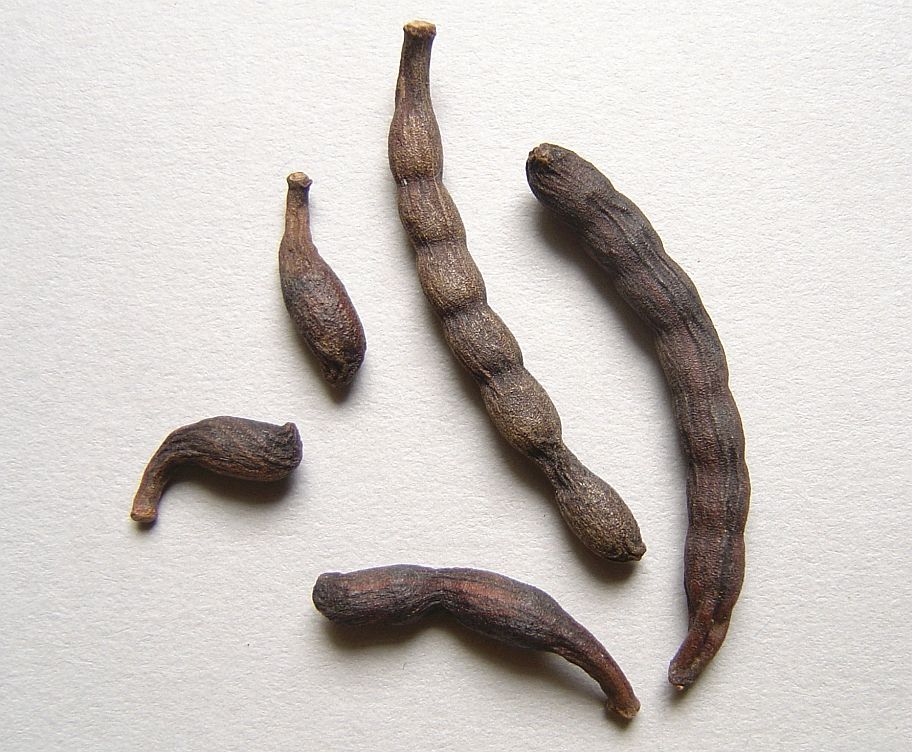 🇬🇭 Ghana and 5 moreGrains of Selimdiarr
The dried fruit of a West African shrub, used as a peppery spice and coffee flavouring.Fruit · Sharp and pungent · Bitter
🇬🇭 Ghana and 5 moreGrains of Selimdiarr
The dried fruit of a West African shrub, used as a peppery spice and coffee flavouring.Fruit · Sharp and pungent · Bitter
 🇳🇬 Nigeria and 1 moreYaji
A West African spice blend for grilled meats and rice, popular among the Hausa people.Blend · Hot and fiery · Earthy and deep
🇳🇬 Nigeria and 1 moreYaji
A West African spice blend for grilled meats and rice, popular among the Hausa people.Blend · Hot and fiery · Earthy and deep
 🇳🇬 Nigeria and 1 moreAlligator pepper
The seed pods of West African ginger plants, named for the bumpy texture of their inner kernels.Fruit · Sharp and pungent · Hot and fiery
🇳🇬 Nigeria and 1 moreAlligator pepper
The seed pods of West African ginger plants, named for the bumpy texture of their inner kernels.Fruit · Sharp and pungent · Hot and fiery
 🇳🇬 Nigeria and 3 moreAshanti pepper
The dried fruit of a climbing vine, used for its fresh, herbaceous heat in West African stews.Fruit · Sharp and pungent · Bitter
🇳🇬 Nigeria and 3 moreAshanti pepper
The dried fruit of a climbing vine, used for its fresh, herbaceous heat in West African stews.Fruit · Sharp and pungent · Bitter
Its cousins elsewhere
All paste 🇮🇷 Iran and 2 moreAsafoetida
A pungent gum-resin from the Ferula plant, used as a garlic and onion substitute in South Asian cooking.Resin · Sharp and pungent · Earthy and deep
🇮🇷 Iran and 2 moreAsafoetida
A pungent gum-resin from the Ferula plant, used as a garlic and onion substitute in South Asian cooking.Resin · Sharp and pungent · Earthy and deep
 🇮🇳 India and 3 moreBlack saltकाला नमक
A kiln-fired rock salt with a sulphurous aroma used in South Asian cooking and Ayurveda.Sharp and pungent · Sour and tart
🇮🇳 India and 3 moreBlack saltकाला नमक
A kiln-fired rock salt with a sulphurous aroma used in South Asian cooking and Ayurveda.Sharp and pungent · Sour and tart
 🇦🇺 Australia and 3 moreSeasoned salt
A dry mix of salt and spices used to flavour fried foods and meats.Savoury and umami
🇦🇺 Australia and 3 moreSeasoned salt
A dry mix of salt and spices used to flavour fried foods and meats.Savoury and umami