
Black salt
In its own language: काला नमक
A kiln-fired rock salt with a sulphurous aroma used in South Asian cooking and Ayurveda.
Black salt is a dark, sulphurous condiment made by firing rock salt with charcoal and herbs. It provides a distinctive savory taste and is essential in chaats, chutneys, and vegan egg dishes across India, Pakistan, Bangladesh, and Nepal.
- Kiln-fired rock salt with a sulphurous, egg-like aroma.
- Essential ingredient in chaat masala and South Asian street food.
- Used in vegan cooking to mimic the flavor of eggs.
- Produced in northern India using charcoal and herbal additives.
- Considered a cooling spice in Ayurvedic medicine.
What is Black salt?
Black salt is a coarse, dark seasoning widely used in South Asia. It is not a simple mineral deposit but a processed product created by heating rock salt in a kiln. The raw material comes from halite mines or salt lakes, which are then fired with charcoal and herbal ingredients like harad seeds, amla, and babul bark. This process transforms the salt, giving it a distinct brown to black exterior when whole. When ground into a powder, the color shifts to shades of pink, purple, or dark brown. The seasoning owes its identity to a strong sulphurous smell and a pungent, savory flavor that mimics the taste of eggs.
Where does Black salt come from?
The production of this salt is concentrated in northern India, particularly in the Hisar district of Haryana. Historically, manufacturers sourced raw materials from natural halite deposits in the Himalayas or brine from the North Indian salt lakes at Sambhar and Didwana. The traditional method involves a complex chemical reduction process where raw salts are sealed in ceramic jars with charcoal and herbs for twenty-four hours. This ancient technique has evolved; modern producers often add specific chemicals like sodium sulphate directly to pure salt before firing to achieve the desired results more efficiently.
What does Black salt taste like?
The defining characteristic of black salt is its intense sulphurous aroma, which many describe as resembling boiled eggs or flatulence. This scent comes primarily from hydrogen sulphide produced during the kiln-firing process. The taste is savory and slightly sour, contributed by acidic bisulphates and bisulphites within the crystal structure. Iron sulphide impurities provide the salt with its dark violet hue, while the high sodium chloride content delivers the underlying salty punch. The combination creates a unique profile that adds depth to fresh salads and cold dishes without adding heat.
How Black salt is grown and processed
Black salt is manufactured rather than harvested directly from the earth in its final form. Producers begin with raw halite from mines or brine from lakes like Sambhar. The raw salt is placed in a kiln or furnace alongside charcoal and small quantities of herbal components such as natron or babul bark. The mixture is sealed in a ceramic jar and fired for approximately twenty-four hours. During this time, the salt melts and undergoes a reductive chemical reaction that converts sodium sulphate into pungent hydrogen sulphide. After firing, the salt is cooled, aged, and then ground into a fine powder for sale.
Black salt, drawn
How Black salt is used
This seasoning is a staple in South Asian cuisine, appearing frequently in chaats, chutneys, salads, raitas, and fruit preparations. It is a critical ingredient in chaat masala, providing the blend with its signature egg-like aroma. In North India and Pakistan, cooks sometimes sprinkle it sparingly over snacks or fresh fruits. Vegan chefs also utilize black salt to replicate the flavor of eggs in tofu-based dishes. Its sharp, sulphurous quality makes it ideal for enhancing cold dishes and savory snacks where a bright, tangy note is required.
Black salt in the world's kitchens
The spice is central to the culinary traditions of India, Pakistan, Bangladesh, and Nepal. In these regions, it is considered essential for creating authentic flavors in vegetarian and vegan cooking. South Asian cuisines rely on its ability to mimic egg flavors, making it valuable for plant-based adaptations of traditional dishes. The salt is used differently across borders; in some areas, it is mixed into spice blends like chaat masala, while in others, it is sprinkled directly onto fresh produce. Its use defines the taste profile of many regional street foods and festive snacks.
At a glance: where it turns up
Spiritual use
Celebrations


Spiritual and ceremonial use
In Ayurveda, the traditional system of medicine in South Asia, black salt is regarded as a cooling spice. It is believed to aid digestion and act as a laxative. Practitioners recommend it to relieve symptoms such as heartburn and flatulence. The salt is also incorporated into oral hygiene products, such as toothpaste, due to its perceived cleansing properties. These uses are rooted in traditional beliefs about balancing bodily humors and promoting digestive health.
Black salt at celebrations
However, its role in chaat masala means it is present during various cultural gatherings and feast days where savory snacks are served. It is a common ingredient in communal meals and hospitality settings, particularly in North India and Pakistan, where it enhances the flavor of shared dishes and street food offerings.
Traditional and medicinal use
Ayurvedic tradition holds that black salt has medicinal properties, including relief from flatulence and heartburn. It is traditionally used as a digestive aid and laxative. In Jammu, the salt is reportedly used to treat goiters, though this claim is scientifically dubious as the salt lacks sufficient iodine. It is also used in folk remedies for hysteria and in the preparation of toothpaste. Modern health authorities, such as the FDA, have warned against unproven health claims regarding similar salts, noting that the trace amounts of sulphur compounds do not pose significant health risks in culinary quantities.
The trade in Black salt
The trade of black salt is centered in northern India, with production hubs in the Hisar district. Historically, the industry relied on natural deposits from the Himalayas and salt lakes. Today, manufacturers may use pure salt supplemented with chemical additives to ensure consistent quality and flavor. The global trade includes exports to countries like the United States, where it is marketed as a specialty seasoning. Despite its popularity, there have been regulatory warnings regarding exaggerated health claims associated with Himalayan salts, affecting how the product is presented in international markets.
Meal
Black salt is most commonly associated with street food and casual snacking. It is a key component in chaats, which are popular savory snacks found throughout South Asia. The salt is also added to chutneys and preserves, where its acidity helps balance sweet and spicy elements. It appears in daily meals as a finishing touch on salads, raitas, and fresh fruit plates. While not typically used in breakfast cereals or desserts, its presence in snack stalls and home kitchens makes it a regular fixture in everyday eating.
Blends with Black salt
Questions people ask about Black salt
What does black salt taste like?
It has a strong sulphurous smell and a savory, slightly sour taste. Many people compare the flavor to boiled eggs, which is why it is popular in vegan cooking.
Where does black salt come from?
It is primarily produced in northern India, especially in the Hisar district. The raw salt is mined from the Himalayas or salt lakes like Sambhar and then fired in kilns.
Is black salt the same as regular table salt?
No. Black salt is heated with charcoal and herbs, which gives it a dark color and a distinct sulphurous flavor. Regular salt lacks these additives and the resulting aroma.
How is black salt used in cooking?
It is used in chaats, chutneys, salads, and raitas. It is also a key ingredient in chaat masala and is sprinkled on fruits and snacks for a tangy kick.
Does black salt have any health benefits?
In Ayurveda, it is used as a digestive aid and to relieve heartburn. However, scientific evidence for these claims is limited, and it should not replace medical advice.
Good reading and sources
- Kala namak on WikipediaEncyclopedia
- More photos on Wikimedia CommonsPhotos and video
- Wikidata recordOpen data
The facts on this page come from the Wikipedia article "Kala namak", written by its contributors and used under the CC BY-SA 4.0 licence, and from its Wikidata record (CC0). EveryMasala rewrote the text in its own words, with AI assistance, and compares every page with the article to make sure no passage is copied. It may be reused under the same CC BY-SA 4.0 licence with a link back.
It may contain mistakes. Names, strengths and customs differ from one grower, kitchen or shop to the next. Traditional and medicinal uses are described as tradition, never as medical advice, and none of this is a substitute for a doctor. If something is wrong, tell us. Last refreshed 2026-10-04.
More from India
All the spices of India 🇮🇳 India and 4 moreFennel
The anise-scented seeds and crisp bulb of a Mediterranean perennial herbSeed · Anise and liquorice · Sweet and mellow
🇮🇳 India and 4 moreFennel
The anise-scented seeds and crisp bulb of a Mediterranean perennial herbSeed · Anise and liquorice · Sweet and mellow
 🇱🇰 Sri Lanka and 5 moreCinnamon
The dried inner bark of Cinnamomum trees, prized for its sweet warmth and essential oil.Bark · Warm and sweet-spiced · Sweet and mellow
🇱🇰 Sri Lanka and 5 moreCinnamon
The dried inner bark of Cinnamomum trees, prized for its sweet warmth and essential oil.Bark · Warm and sweet-spiced · Sweet and mellow
 🇮🇳 India and 4 moreBasil
A tender culinary herb with glossy leaves and a licorice-like aroma, native to tropical Asia.Leaf · Anise and liquorice · Warm and sweet-spiced
🇮🇳 India and 4 moreBasil
A tender culinary herb with glossy leaves and a licorice-like aroma, native to tropical Asia.Leaf · Anise and liquorice · Warm and sweet-spiced
 🇮🇷 Iran and 4 moreSaffronزعفران
The dried crimson stigmas of the autumn-blooming saffron crocus.Stigma · Sharp and pungent · Bitter
🇮🇷 Iran and 4 moreSaffronزعفران
The dried crimson stigmas of the autumn-blooming saffron crocus.Stigma · Sharp and pungent · Bitter
Its cousins elsewhere
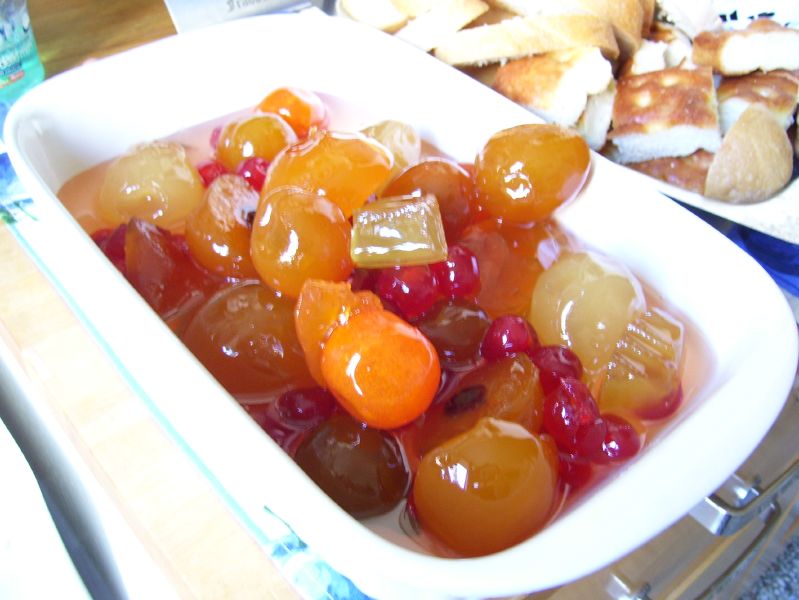 🇮🇹 ItalyMostardamostarda di frutta
A northern Italian condiment of candied fruit in a sharp mustard syrupBlend · Sweet and mellow · Sharp and pungent
🇮🇹 ItalyMostardamostarda di frutta
A northern Italian condiment of candied fruit in a sharp mustard syrupBlend · Sweet and mellow · Sharp and pungent
 🇫🇷 France and 1 moreDijon mustardMoutarde de Dijon
A sharp condiment made from brown mustard seeds and white wine or verjuice, originating in Burgundy.Sharp and pungent · Sour and tart
🇫🇷 France and 1 moreDijon mustardMoutarde de Dijon
A sharp condiment made from brown mustard seeds and white wine or verjuice, originating in Burgundy.Sharp and pungent · Sour and tart
 🇮🇹 Italy and 5 moreMustard
A pungent paste made from ground mustard seeds mixed with liquid and spices.Paste · Sharp and pungent · Hot and fiery
🇮🇹 Italy and 5 moreMustard
A pungent paste made from ground mustard seeds mixed with liquid and spices.Paste · Sharp and pungent · Hot and fiery
 🇯🇵 JapanGariガリ
Thinly sliced young ginger pickled in sweet vinegar, served with sushi.Sweet and mellow · Sour and tart
🇯🇵 JapanGariガリ
Thinly sliced young ginger pickled in sweet vinegar, served with sushi.Sweet and mellow · Sour and tart