
Yaji
A West African spice blend for grilled meats and rice, popular among the Hausa people.
Yaji is a West African spice blend used primarily as a rub for suya, a skewered meat dish. It combines dried chilies, ginger, onion powder, ground peanuts, and salt to create a savory, spicy crust.
- Yaji is also called Suya spice.
- It contains ground roasted peanuts.
- Used as a rub for grilled meat.
- Popular among the Hausa people.
- Includes dried chili peppers and ginger.
What is Yaji?
Yaji is a dry spice mixture from West Africa, widely known as Suya spice. It serves as both a rub and a dusting for various foods. The blend typically features dried chili peppers, ginger, onion powder, and ground kuli kuli, which are roasted peanuts. Salt forms the base, while other ingredients like black pepper, cloves, or bouillon powder may be added. Some versions use scotch bonnet peppers for extra heat. The spices are often lightly toasted before grinding to deepen their flavors. This mixture creates a distinct, savory coating for grilled items.
Where does Yaji come from?
The blend originates in Nigeria and is closely associated with the Hausa people. It has spread across West Africa and is adopted by other regional groups. The name Yaji is common locally, while Suya spice is used internationally due to its link with the famous grilled meat dish. Its development reflects local agricultural products like peanuts and indigenous peppers.
What does Yaji taste like?
The taste is dominated by heat from chili peppers, balanced by the earthy richness of ground peanuts. Ginger adds a sharp, warming bite, while onion powder provides savory depth. Bouillon powder enhances the umami quality. The toasting process brings out nutty and smoky notes. The texture is fine and powdery, adhering well to moist surfaces.
How Yaji is grown and processed
Ingredients are sourced from local farms in Nigeria and Niger. Peanuts are roasted until crisp, then ground into a fine meal. Chili peppers are dried thoroughly to remove moisture. Ginger and onions are also dried and powdered. Spices are lightly toasted to release essential oils before blending. The final mix is stored dry to maintain potency.
Yaji, drawn
How Yaji is used
It is primarily used as a rub for suya, skewered beef grilled over open flames. It is also sprinkled on balangu, another grilled meat dish. Cooks use it to season rice and beans for added flavor. Grilled meats benefit from its crust-forming properties. It can be mixed into other dishes for a spicy kick.
Yaji in the world's kitchens
The spice is foundational to Hausa cuisine in Nigeria. It defines the flavor profile of suya, a national favorite. Other West African communities have adopted it for their own grilling traditions. Nigerian households use it to elevate simple dishes like beans. It distinguishes West African grilled meats from other regional styles.
At a glance: where it turns up
Cuisines
Spiritual and ceremonial use
There is no specific religious or ritual significance attached to Yaji in the provided sources. It is treated purely as a culinary ingredient without ceremonial roles.
Yaji at celebrations
It is used in everyday cooking and street food contexts rather than special occasion banquets.
Traditional and medicinal use
It is strictly a food seasoning.
Buying and storing Yaji
The blend must be kept dry to prevent clumping and loss of flavor. Stored in airtight containers, it retains its potency for extended periods. Moisture is the primary enemy of this spice mix.
What to use instead of Yaji
No direct substitutes are listed. Cooks might approximate the flavor using a mix of chili powder, garlic powder, and peanut flour. However, the unique combination of kuli kuli and local peppers cannot be fully replicated elsewhere.
The trade in Yaji
Yaji is traded within Nigeria and neighboring Niger. It is a staple in local markets where Hausa vendors sell it alongside other spices. International demand grows through the popularity of suya restaurants. No major export monopolies or geographical indications are noted.
Meal
Yaji is central to street food culture, especially for evening snacks and dinners. It accompanies grilled meats sold at night markets. It is not typically used for breakfast or desserts. The blend fits well with hearty meals like rice and beans served as lunch or dinner.
Questions people ask about Yaji
What is Yaji spice?
Yaji is a West African spice blend from Nigeria, also known as Suya spice. It is used as a rub for grilled meats like suya and balangu, and can season rice and beans.
Where does Yaji come from?
Yaji originates in Nigeria and is traditionally associated with the Hausa people. It is now common across West Africa, including Niger.
What does Yaji taste like?
It tastes hot and savory, with earthy notes from roasted peanuts. Ginger adds warmth, while chili peppers provide significant heat and pungency.
Good reading and sources
The facts on this page come from the Wikipedia article "Yaji (spice blend)", written by its contributors and used under the CC BY-SA 4.0 licence, and from its Wikidata record (CC0). EveryMasala rewrote the text in its own words, with AI assistance, and compares every page with the article to make sure no passage is copied. It may be reused under the same CC BY-SA 4.0 licence with a link back.
It may contain mistakes. Names, strengths and customs differ from one grower, kitchen or shop to the next. Traditional and medicinal uses are described as tradition, never as medical advice, and none of this is a substitute for a doctor. If something is wrong, tell us. Last refreshed 2026-10-07.
More from Nigeria
All the spices of Nigeria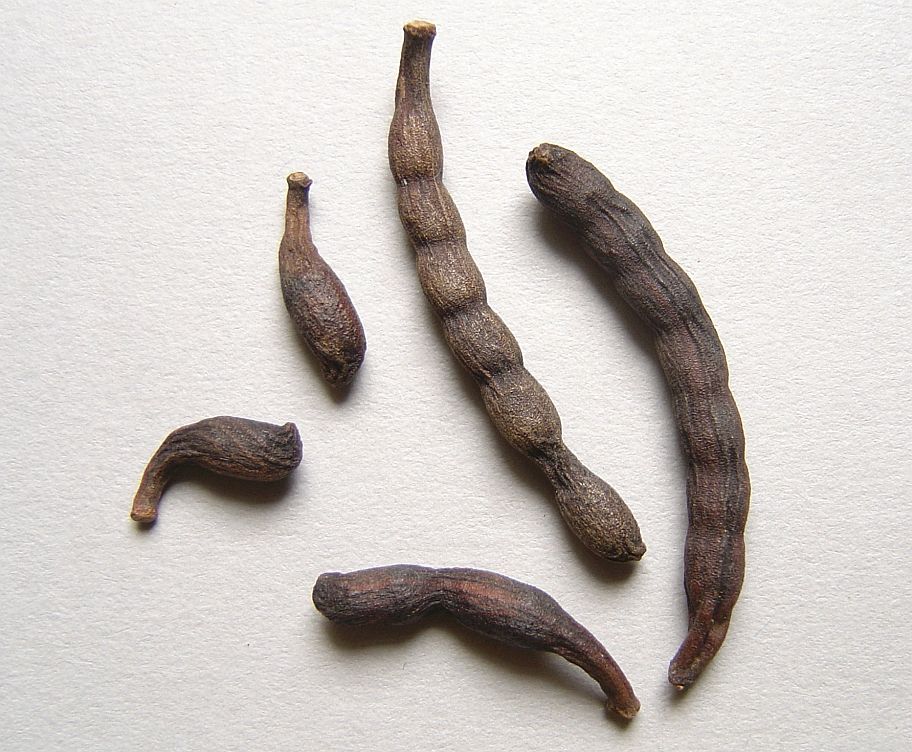 🇸🇳 Senegal and 3 moreGrains of Selim
The dried fruit of an African shrub, used for its musky and pungent seeds in West African cooking.Fruit · Sharp and pungent · Bitter
 🇳🇬 NigeriaAlligator pepper
The seed pods of West African ginger plants, named for the bumpy texture of their inner kernels.Seed · Sharp and pungent · Warm and sweet-spiced
 🇳🇬 Nigeria and 3 moreAshanti pepper
The dried fruit of a climbing vine, used for its fresh, herbaceous heat in West African stews.Fruit · Sharp and pungent · Bitter
Its cousins elsewhere
All blend 🇱🇾 Libya and 1 morePilpelchumaפלפלצ'ומה
A spicy garlic paste made from steamed peppers and olive oil, rooted in Libyan Jewish tradition.Hot and fiery · Sharp and pungent
 🇲🇦 Morocco and 2 moreRas el hanoutرأس الحانوت
A complex Maghrebi spice blend meaning 'head of the shop', used in savory dishes across North Africa.Warm and sweet-spiced · Sharp and pungent
 🇮🇳 India and 5 moreMustard seed
Tiny seeds from Brassica plants that become a sharp condiment or cooking oil.Seed · Sharp and pungent · Hot and fiery
 🇨🇳 China and 5 moreChili oil辣椒油
A red condiment of infused vegetable oil and hot peppers used across Asia and Europe.Hot and fiery · Smoky