
Shito
In its own language: shitor din
A dark, spicy sauce made from fried fish and peppers, central to Ghanaian cooking.
Shito is a black pepper sauce that forms the backbone of Ghanaian cuisine. It combines dried seafood with hot peppers and spices in oil, creating a savory condiment served alongside staples like kenkey and rice.
- Shitor din means black pepper in the Ga language.
- It is a fundamental condiment in Ghanaian households.
- The black version is fried in oil with dried seafood.
- The red or green version is mashed fresh without oil.
- Chinese restaurants in Ghana serve it with rice.
What is Shito?
This dish is a thick, dark sauce known locally as shitor din, which translates directly to black pepper. It serves as a primary flavoring agent across Ghana. The traditional version relies on a base of vegetable or corn oil, into which cooks fry a mixture of garlic, ginger, and various hot peppers. Dried fish, prawns, and other crustaceans are also essential components, providing a deep savory quality. A second variation exists that avoids frying entirely. In this method, fresh ingredients are mashed together in a clay bowl using a stone pestle. This produces a wetter paste that can appear bright red or green, depending on the specific type of pepper selected for the mash.
Where does Shito come from?
The recipe originates from the Ga people of Ghana. The name itself is derived from the Ga language. While the core concept belongs to the Ga tribe, the specific combination of spices and the ratio of seafood have evolved over time. Different villages and regions within the country now claim their own distinct versions of the sauce. Despite these local variations, the fundamental technique of frying aromatics in oil remains the standard preparation method taught and used throughout the nation.
What does Shito taste like?
The taste profile is dominated by intense heat and strong umami notes. The dried seafood contributes a salty, oceanic depth that balances the sharp bite of the chili peppers. Garlic and ginger add pungency and warmth to the background. When prepared without oil, the fresh version offers a brighter, more acidic heat from the raw tomatoes and onions. The texture varies significantly between the two styles; the fried version is oily and rich, while the mashed version is coarse and moist. The color indicates the intensity, with darker shades usually holding more concentrated flavors.
How Shito is grown and processed
However, the processing methods are clearly defined. For the black sauce, ingredients are blended and then cooked in oil for slightly more than an hour. This slow frying process caramelizes the spices and dehydrates the fish, preserving the mixture. For the fresh red or green paste, the ingredients are simply mashed in an earthenware container called an asanka. No heat is applied during the preparation of this variant, keeping the flavors raw and immediate.
Shito, drawn
How Shito is used
Cookes use shito as a versatile condiment similar to ketchup or chili oil. It is commonly served alongside fermented corn dough dishes like kenkey and banku. It also accompanies steamed rice, garri, and waakye, which is a mix of rice and beans. Beyond traditional meals, it is frequently eaten with white bread or spring rolls for a quick snack. In Chinese restaurants located in Ghana, the sauce has been adopted as a standard dipping condiment for fried and steamed rice, replacing other typical sauces found in international Chinese cuisine.
Shito in the world's kitchens
Ghanaian cuisine relies heavily on this sauce. It is considered ubiquitous, meaning it is found everywhere in the country. The Ga people established the original recipe, but all major ethnic groups in Ghana now incorporate it into their daily cooking. The sauce bridges the gap between traditional local flavors and modern adaptations. Even foreign cuisines operating within Ghana, such as Chinese eateries, have integrated shito into their menus to suit local palates, showing its deep cultural entrenchment.
At a glance: where it turns up


Shito at celebrations
It is treated as a daily food item rather than a celebratory specialty.
Traditional and medicinal use
No traditional medicinal uses or folk remedies involving this sauce are described in the available material. It is presented strictly as a culinary ingredient.
What to use instead of Shito
However, it notes that in Chinese restaurants in Ghana, it functions similarly to layou, serving as a replacement for that condiment in rice dishes. This suggests a functional similarity in context, though no exact ingredient swap is recommended.
The trade in Shito
The focus remains on its domestic consumption and integration into local and adapted restaurant cuisines within Ghana.
Meal
This sauce fits into almost every eating occasion in Ghana. It is a staple at breakfast tables, often paired with bread or simple starches. Lunch and dinner routines regularly include it as a side dish for main courses like rice and bean stews. Street vendors sell it as a quick topping for snacks. It is also common to see it served with preserved foods or light bites. The versatility of the sauce allows it to function as both a meal component and a finishing touch for any dish.
Questions people ask about Shito
What is shito?
Shito is a popular black pepper sauce from Ghana. It is made by frying peppers, garlic, ginger, and dried fish or shrimp in oil. It serves as a spicy condiment for many local dishes.
Where does shito come from?
The sauce originates from the Ga people of Ghana. The name comes from the Ga language. While regional variations exist, the core recipe is rooted in Ga culinary traditions.
How does shito taste?
It tastes hot, savory, and pungent. The dried fish adds a strong umami flavor that complements the heat of the chilies. Garlic and ginger provide additional aromatic depth.
What is it served with?
It is commonly eaten with kenkey, banku, waakye, and steamed rice. It is also used as a dip for white bread and spring rolls, or added to fried rice in local Chinese restaurants.
Good reading and sources
- Shito on WikipediaEncyclopedia
- More photos on Wikimedia CommonsPhotos and video
- Wikidata recordOpen data
The facts on this page come from the Wikipedia article "Shito", written by its contributors and used under the CC BY-SA 4.0 licence, and from its Wikidata record (CC0). EveryMasala rewrote the text in its own words, with AI assistance, and compares every page with the article to make sure no passage is copied. It may be reused under the same CC BY-SA 4.0 licence with a link back.
It may contain mistakes. Names, strengths and customs differ from one grower, kitchen or shop to the next. Traditional and medicinal uses are described as tradition, never as medical advice, and none of this is a substitute for a doctor. If something is wrong, tell us. Last refreshed 2026-10-04.
More from Ghana
All the spices of Ghana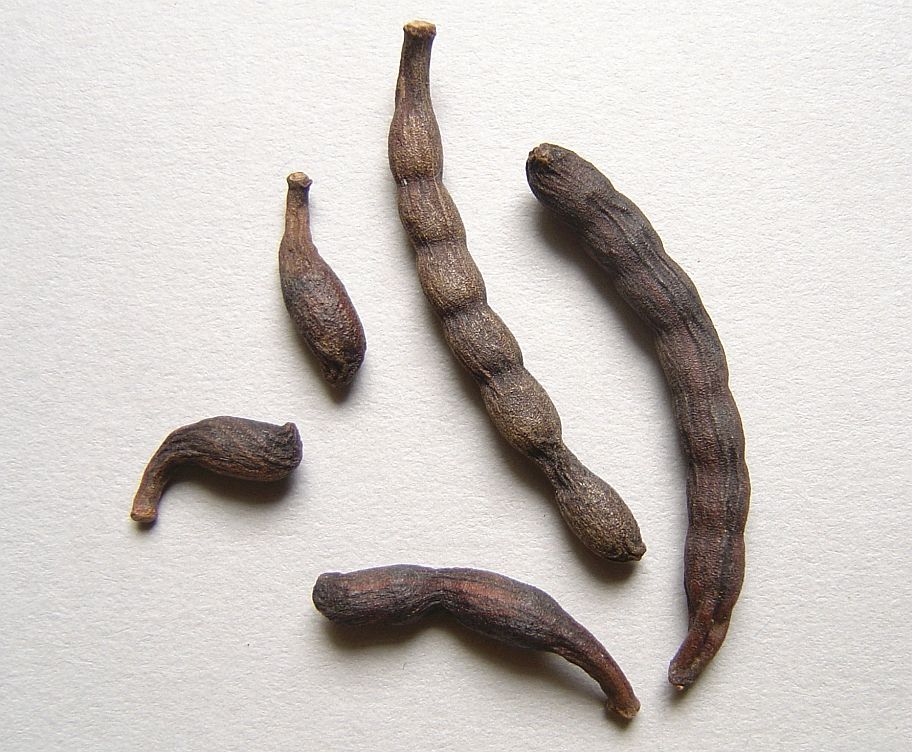 🇬🇭 Ghana and 5 moreGrains of Selimdiarr
The dried fruit of a West African shrub, used as a peppery spice and coffee flavouring.Fruit · Sharp and pungent · Bitter
🇬🇭 Ghana and 5 moreGrains of Selimdiarr
The dried fruit of a West African shrub, used as a peppery spice and coffee flavouring.Fruit · Sharp and pungent · Bitter
 🇬🇼 Guinea-Bissau and 5 moreCalabash nutmeg
The dried seed of a West African tree, used as a local substitute for nutmeg.Warm and sweet-spiced · Sweet and mellow
🇬🇼 Guinea-Bissau and 5 moreCalabash nutmeg
The dried seed of a West African tree, used as a local substitute for nutmeg.Warm and sweet-spiced · Sweet and mellow
 🇬🇭 Ghana and 5 morePrekeseprɛkɛsɛ
The scented pod of a West African tree, used to perfume soups.Fruit · Sweet and mellow
🇬🇭 Ghana and 5 morePrekeseprɛkɛsɛ
The scented pod of a West African tree, used to perfume soups.Fruit · Sweet and mellow
Its cousins elsewhere
 🇱🇾 Libya and 1 morePilpelchumaפלפלצ'ומה
A steamed chili and garlic paste from Libyan Jewish cuisine, now common in Israel.Hot and fiery · Sharp and pungent
🇱🇾 Libya and 1 morePilpelchumaפלפלצ'ומה
A steamed chili and garlic paste from Libyan Jewish cuisine, now common in Israel.Hot and fiery · Sharp and pungent
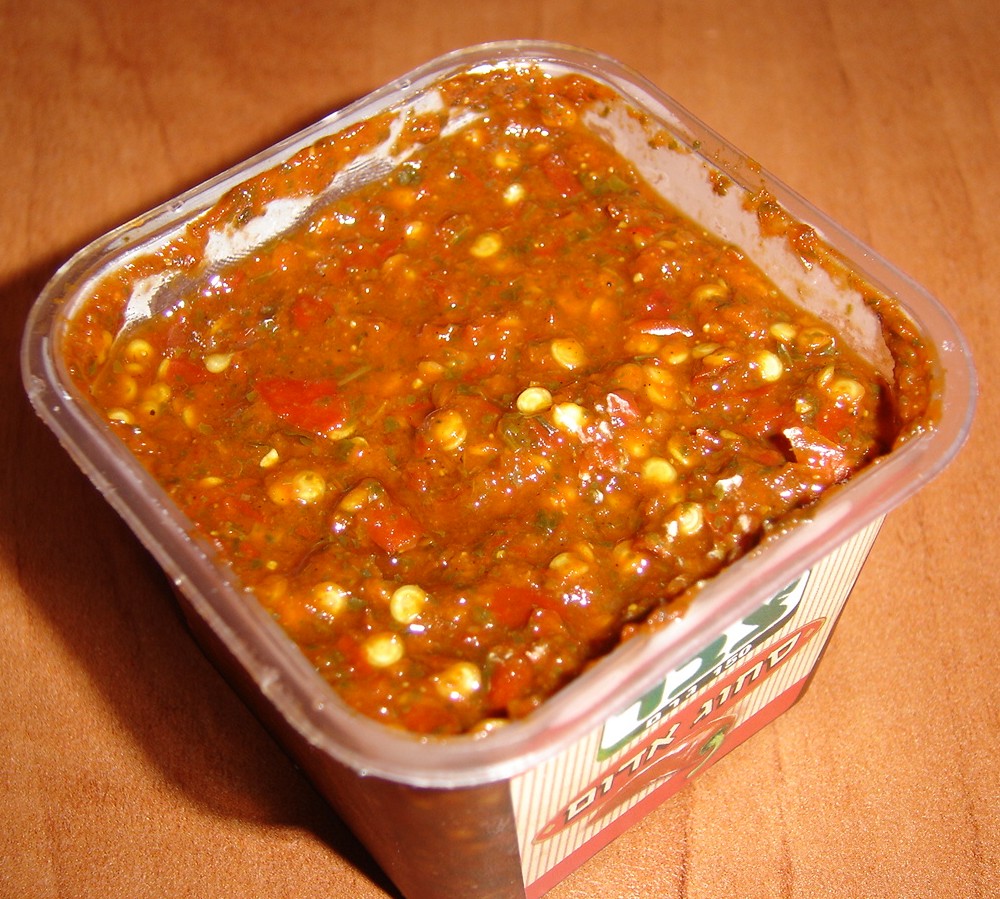 🇾🇪 Yemen and 1 moreZhugسحوق
A Yemeni hot sauce of crushed chilies, garlic, and corianderHot and fiery · Sharp and pungent
🇾🇪 Yemen and 1 moreZhugسحوق
A Yemeni hot sauce of crushed chilies, garlic, and corianderHot and fiery · Sharp and pungent
 🇮🇳 India and 4 moreCurry powder
A Western adaptation of Indian spice blends for cooking sauces and stews.Blend · Warm and sweet-spiced · Earthy and deep
🇮🇳 India and 4 moreCurry powder
A Western adaptation of Indian spice blends for cooking sauces and stews.Blend · Warm and sweet-spiced · Earthy and deep
 🇮🇷 Iran and 2 moreAsafoetida
A pungent gum-resin from the Ferula plant, used as a garlic and onion substitute in South Asian cooking.Resin · Sharp and pungent · Earthy and deep
🇮🇷 Iran and 2 moreAsafoetida
A pungent gum-resin from the Ferula plant, used as a garlic and onion substitute in South Asian cooking.Resin · Sharp and pungent · Earthy and deep