
Chili oil
In its own language: 辣椒油
A red condiment of infused vegetable oil and hot peppers used across Asia and Europe.
This spicy liquid condiment consists of vegetable oil that has been flavored with dried or fresh chili peppers. It originates in China but is now a staple in Mexican, Italian, and Turkish kitchens. The result is a bright red oil that adds heat and depth to soups, noodles, and dips.
- Originated in China with regional names like red oil and oil-splashed chili.
- Made by pouring hot vegetable oil over dried or fresh chili peppers.
- Used in Sichuan, Hunan, and Korean Chinese cuisines for soups and noodles.
- Japanese rāyu often uses sesame oil and includes fried garlic chunks.
- Mexican salsa macha combines chili oil with nuts and seeds.
What is Chili oil?
Chili oil is a liquid seasoning made by steeping hot peppers in fat. The mixture turns a deep red color from the capsaicin and pigments in the chilies. Cooks use it to add spice to meals without the texture of whole peppers. Some versions include solid bits like garlic or fried onions, while others are clear liquids. It serves as both a cooking ingredient and a table condiment.
Where does Chili oil come from?
The practice began in China, where different regions developed their own styles. In Shaanxi province, it is known as oil-splashed chili. Sichuan calls it red oil. The method involves pouring hot oil over crushed peppers to release their flavor. From China, the technique spread to neighboring countries and eventually reached Europe and the Americas through migration and trade.
What does Chili oil taste like?
The taste is defined by the heat of the chili peppers used. Varieties can range from mild warmth to intense burning. The oil carries smoky, earthy, and sometimes sweet notes depending on the pepper type. Adding spices like Sichuan peppercorns creates a numbing sensation. Garlic and sesame seeds contribute savory depth to the profile.
How Chili oil is grown and processed
Producers grow various chili varieties to harvest the pods for drying or fresh use. The oil base is typically soybean, sesame, or rapeseed oil heated to high temperatures. Hot oil is poured over ground peppers or chopped pieces. The mixture rests until the flavors meld. Solids settle at the bottom during storage, requiring shaking before use.
Chili oil, drawn
How Chili oil is used
Diners drizzle the oil over noodle soups, dumplings, and stir-fries. It acts as a dipping sauce for meat and dim sum. Chefs use it to finish dishes with a layer of spice. In Korea, it flavors the jjamppong soup. Mexican cooks blend it with nuts for salsa macha. Italians mix it into antipasto plates.
Chili oil in the world's kitchens
Chinese cuisine relies heavily on chili oil, especially in western provinces like Sichuan and Hunan. Japanese cooks use rāyu to enhance ramen and gyoza. Italian recipes in Calabria feature olive oil infused with local peperoncino. Mexican versions in Veracruz combine chilies with nuts. Portuguese preparations involve cold infusion in sealed bottles.
At a glance: where it turns up


Spiritual and ceremonial use
There are no specific religious rituals associated with chili oil. It is a secular food item used in daily cooking and social gatherings. No dietary laws restrict its consumption in major faiths.
Chili oil at celebrations
Chili oil is not tied to specific festivals or holidays. It is a everyday ingredient found in households year-round. It does not appear in ceremonial feasts or wedding banquets as a symbolic item.
Traditional and medicinal use
Traditional medicine systems do not widely document chili oil for healing purposes. The heat from capsaicin may stimulate digestion, but this is not a formal medical treatment. Consumers should be cautious of allergies to peppers or nuts in regional variations.
Buying and storing Chili oil
Store jars in a cool, dark place to preserve the oil's quality. Refrigeration slows rancidity but may cloud the liquid. Shake the container well before use to redistribute settled solids. Commercial products often include preservatives to extend shelf life.
What to use instead of Chili oil
If unavailable, cooks can make a quick version by heating neutral oil and adding chili flakes. Sriracha or gochujang provide similar heat but with vinegar or fermentation notes. Paprika oil offers color without significant spice.
The trade in Chili oil
Global trade moves large quantities of chili oil and raw peppers. Brands like Lao Gan Ma have popularized Guizhou-style products internationally. Adulteration with cheaper oils occurs in some markets. Geographical indications protect certain regional styles in China.
Meal
People enjoy this condiment at lunch and dinner, particularly with noodle dishes and rice. It appears on street food stalls as a quick topping for snacks. Breakfast users might add it to eggs or porridge. It also serves as a dip for appetizers and dim sum baskets served between main courses.
Questions people ask about Chili oil
What is chili oil?
It is a condiment made by infusing vegetable oil with chili peppers. The oil takes on a red color and spicy heat. It is used as a topping or ingredient in many Asian and European dishes.
Where does chili oil come from?
It originated in China, with distinct styles in provinces like Sichuan and Shaanxi. The technique spread to Japan, Italy, Mexico, and Turkey, adapting to local ingredients and tastes.
How is it made?
Producers pour hot oil over crushed or chopped chili peppers. They may add spices like garlic, sesame, or Sichuan peppercorns. The mixture sits until the flavors fully integrate into the fat.
What does it taste like?
It tastes hot and spicy, with smoky and earthy undertones. The flavor depends on the pepper variety and added ingredients like garlic or nuts. Some versions are smooth, while others contain crunchy solids.
How is it used in cooking?
Cooks drizzle it over noodles, soups, and dumplings. It serves as a dip for meat and dim sum. In Mexico and Italy, it mixes with other ingredients to create complex sauces and salads.
Good reading and sources
- Chili oil on WikipediaEncyclopedia
- More photos on Wikimedia CommonsPhotos and video
- Wikidata recordOpen data
The facts on this page come from the Wikipedia article "Chili oil", written by its contributors and used under the CC BY-SA 4.0 licence, and from its Wikidata record (CC0). EveryMasala rewrote the text in its own words, with AI assistance, and compares every page with the article to make sure no passage is copied. It may be reused under the same CC BY-SA 4.0 licence with a link back.
It may contain mistakes. Names, strengths and customs differ from one grower, kitchen or shop to the next. Traditional and medicinal uses are described as tradition, never as medical advice, and none of this is a substitute for a doctor. If something is wrong, tell us. Last refreshed 2026-10-04.
More from China
All the spices of China 🇨🇳 China and 2 moreChinese prickly-ash
A thorny East Asian shrub whose reddish berries yield Sichuan pepperFruit
🇨🇳 China and 2 moreChinese prickly-ash
A thorny East Asian shrub whose reddish berries yield Sichuan pepperFruit
 🇨🇳 ChinaYongfeng chili sauce永丰辣酱
A fermented paste of peppers, rice and wheat from Hunan province, one of the region's three treasures.Paste · Hot and fiery · Sweet and mellow
🇨🇳 ChinaYongfeng chili sauce永丰辣酱
A fermented paste of peppers, rice and wheat from Hunan province, one of the region's three treasures.Paste · Hot and fiery · Sweet and mellow
 🇨🇳 China and 5 moreSichuan pepper花椒 (huājiāo)
The dried husk of Zanthoxylum fruit, prized for its citrus scent and electric numbness.Fruit · Citrus and bright · Sharp and pungent
🇨🇳 China and 5 moreSichuan pepper花椒 (huājiāo)
The dried husk of Zanthoxylum fruit, prized for its citrus scent and electric numbness.Fruit · Citrus and bright · Sharp and pungent
 🇨🇳 ChinaMala麻辣
A fiery, tongue-numbing Chinese seasoning of Sichuan pepper and chilliesPaste · Hot and fiery · Numbing and tingling
🇨🇳 ChinaMala麻辣
A fiery, tongue-numbing Chinese seasoning of Sichuan pepper and chilliesPaste · Hot and fiery · Numbing and tingling
Its cousins elsewhere
 🇳🇬 NigeriaYaji
A spicy rub from Nigeria made with chili, ginger, and ground peanuts.Blend · Hot and fiery · Earthy and deep
🇳🇬 NigeriaYaji
A spicy rub from Nigeria made with chili, ginger, and ground peanuts.Blend · Hot and fiery · Earthy and deep
 🇱🇾 Libya and 1 morePilpelchumaפלפלצ'ומה
A steamed chili and garlic paste from Libyan Jewish cuisine, now common in Israel.Hot and fiery · Sharp and pungent
🇱🇾 Libya and 1 morePilpelchumaפלפלצ'ומה
A steamed chili and garlic paste from Libyan Jewish cuisine, now common in Israel.Hot and fiery · Sharp and pungent
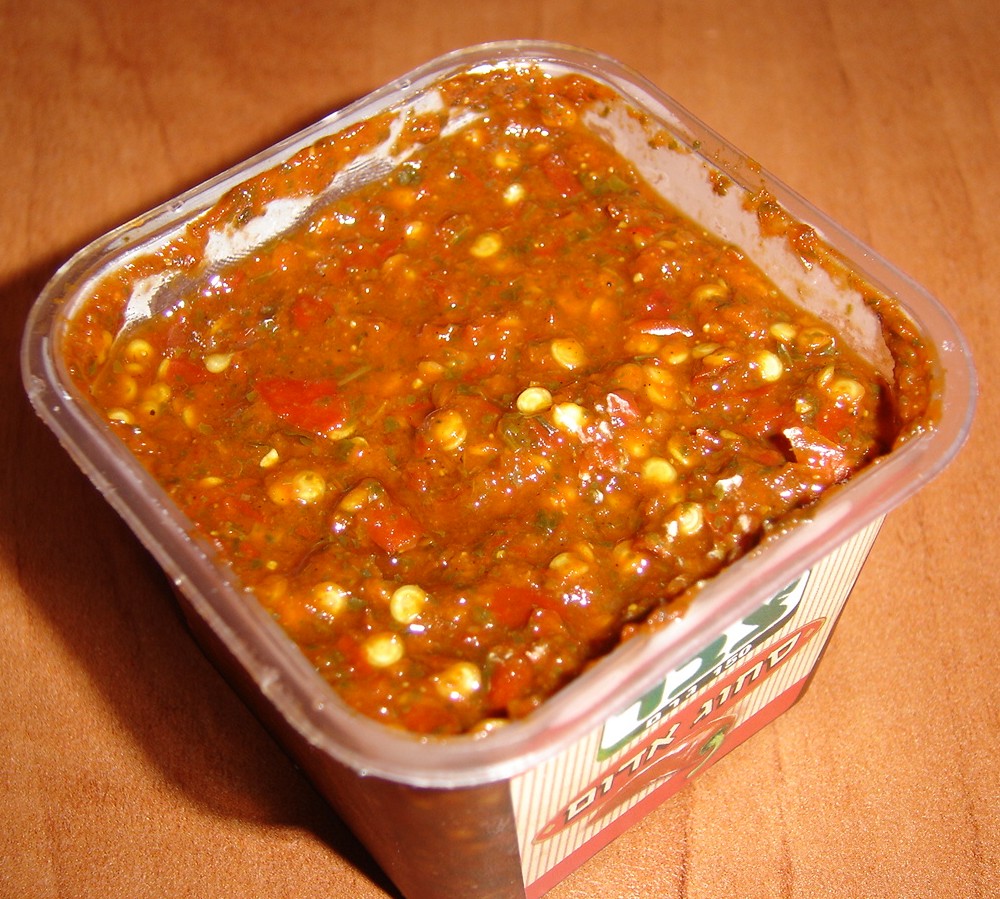 🇾🇪 Yemen and 1 moreZhugسحوق
A Yemeni hot sauce of crushed chilies, garlic, and corianderHot and fiery · Sharp and pungent
🇾🇪 Yemen and 1 moreZhugسحوق
A Yemeni hot sauce of crushed chilies, garlic, and corianderHot and fiery · Sharp and pungent
 🇲🇽 Mexico and 1 moreChipotle
Smoke-dried ripe jalapeño peppers used in Mexican and Tex-Mex cookingChilli · Hot and fiery · Smoky
🇲🇽 Mexico and 1 moreChipotle
Smoke-dried ripe jalapeño peppers used in Mexican and Tex-Mex cookingChilli · Hot and fiery · Smoky