
Utskho suneli
In its own language: უცხო სუნელი
A traditional Georgian spice blend featuring blue fenugreek.
Utskho suneli is a staple seasoning in Georgian kitchens, defined by the inclusion of blue fenugreek seeds. This blend likely absorbed culinary influences from late medieval Persia or Mughal India before becoming essential to local cooking traditions.
- Utskho suneli translates to 'foreign spice' in Georgian.
- Blue fenugreek is the key ingredient in the blend.
- The mix may derive from late medieval Persian influence.
- It is often combined with svanuri marili salt.
- The spice is found in almost every Georgian dish.
What is Utskho suneli?
Utskho suneli stands as a traditional Georgian spice blend, distinguished by its reliance on blue fenugreek. The name translates literally to 'foreign spice,' while another interpretation describes it as a 'strange and fragrant smell from far away.' This mixture holds a vital place in local gastronomy, serving as a fundamental seasoning that appears in nearly every dish prepared within the region's households.
Where does Utskho suneli come from?
Historical analysis suggests the blend emerged through cultural exchanges during the late medieval era. Georgian cooks likely integrated culinary techniques and ingredients influenced by either Persia or the Mughal Empire of India. Over centuries, these external traditions merged with indigenous practices, resulting in the unique seasoning profile recognized today as a hallmark of the region's food culture.
What does Utskho suneli taste like?
The sensory profile relies heavily on blue fenugreek, which imparts a strong aromatic quality. While precise taste descriptors are absent from the records, the blend is characterized by a 'fragrant smell.' This scent defines its identity, offering a distinct olfactory experience that complements the savory nature of the dishes it seasons.
Utskho suneli, drawn
How Utskho suneli is used
Culinary applications involve using the spice mix independently or combining it with other seasonings. It is frequently blended with svanuri marili salt and khmeli suneli to enhance flavor. The mixture accompanies a variety of foods, including badrijani, kubdari, satsivi, bazhe, kharcho, and grilled meats like rib eye steaks.
Utskho suneli in the world's kitchens
This seasoning is integral to Georgian cuisine, forming a core part of the country's cooking traditions. Its ubiquity ensures it is present in almost every dish. The recipe reflects historical ties to Persian and Mughal Indian styles, yet it remains distinctly Georgian in its application and daily use.
At a glance: where it turns up
Cuisines
Meal
The spice features prominently in main courses, evidenced by its pairing with rib eye steaks. It also plays a role in appetizers and shared plates such as badrijani and satsivi. These preparations highlight the blend's versatility across different dining settings within Georgian meals.
Questions people ask about Utskho suneli
What does the name utskho suneli mean?
The phrase translates to 'foreign spice,' though it can also be understood as a 'strange and fragrant smell from far away.'
Which herb defines this spice mix?
Blue fenugreek is the essential component that gives the blend its characteristic aroma and flavor profile.
How did this Georgian spice originate?
It likely developed from late medieval culinary influences introduced by Persia or the Mughal Empire of India.
What other seasonings is it mixed with?
Cooked often combine it with svanuri marili salt and khmeli suneli to create complex flavor layers.
Good reading and sources
The facts on this page come from the Wikipedia article "Utskho suneli", written by its contributors and used under the CC BY-SA 4.0 licence, and from its Wikidata record (CC0). EveryMasala rewrote the text in its own words, with AI assistance, and compares every page with the article to make sure no passage is copied. It may be reused under the same CC BY-SA 4.0 licence with a link back.
It may contain mistakes. Names, strengths and customs differ from one grower, kitchen or shop to the next. Traditional and medicinal uses are described as tradition, never as medical advice, and none of this is a substitute for a doctor. If something is wrong, tell us. Last refreshed 2026-10-04.
More from Georgia
All the spices of Georgia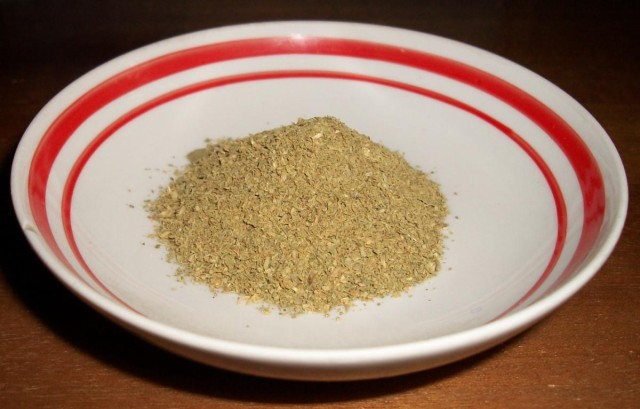 🇬🇪 GeorgiaKhmeli suneliხმელი სუნელი
A flexible Georgian blend of dried herbs and seeds for stews and meats.Blend · Warm and sweet-spiced · Earthy and deep
🇬🇪 GeorgiaKhmeli suneliხმელი სუნელი
A flexible Georgian blend of dried herbs and seeds for stews and meats.Blend · Warm and sweet-spiced · Earthy and deep
 🇷🇺 Russia and 4 moreTarragon
A slender perennial herb with anise-scented leaves, prized in French and Middle Eastern cooking.Leaf · Anise and liquorice · Sweet and mellow
🇷🇺 Russia and 4 moreTarragon
A slender perennial herb with anise-scented leaves, prized in French and Middle Eastern cooking.Leaf · Anise and liquorice · Sweet and mellow
 🇬🇪 GeorgiaSvan saltსვანური მარილი
A moist, aromatic spice blend from the Georgian mountains, combining herbs with salt.Sharp and pungent · Earthy and deep
🇬🇪 GeorgiaSvan saltსვანური მარილი
A moist, aromatic spice blend from the Georgian mountains, combining herbs with salt.Sharp and pungent · Earthy and deep
 🇬🇪 Georgia and 1 moreBlue fenugreekუცხო სუნელი
The blue-flowered annual herb that seasons Georgian stews and Swiss cheeseSeed · Earthy and deep · Bitter
🇬🇪 Georgia and 1 moreBlue fenugreekუცხო სუნელი
The blue-flowered annual herb that seasons Georgian stews and Swiss cheeseSeed · Earthy and deep · Bitter
Its cousins elsewhere
All blend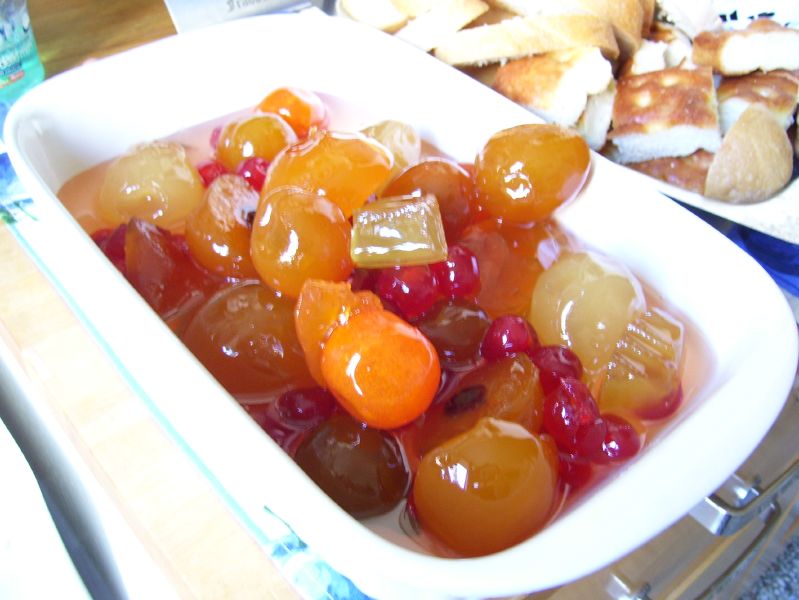 🇮🇹 ItalyMostardamostarda di frutta
A northern Italian condiment of candied fruit in a sharp mustard syrupBlend · Sweet and mellow · Sharp and pungent
🇮🇹 ItalyMostardamostarda di frutta
A northern Italian condiment of candied fruit in a sharp mustard syrupBlend · Sweet and mellow · Sharp and pungent
 🇨🇱 ChileMerkénmezkeñ
A traditional Mapuche smoked chili condiment from Chile, often mixed with coriander.Blend · Smoky · Hot and fiery
🇨🇱 ChileMerkénmezkeñ
A traditional Mapuche smoked chili condiment from Chile, often mixed with coriander.Blend · Smoky · Hot and fiery
 🇳🇬 NigeriaYaji
A spicy rub from Nigeria made with chili, ginger, and ground peanuts.Blend · Hot and fiery · Earthy and deep
🇮🇳 IndiaKala masala
A dark roasted spice blend from Maharashtra used for everyday home cooking.Blend · Hot and fiery · Warm and sweet-spiced
🇳🇬 NigeriaYaji
A spicy rub from Nigeria made with chili, ginger, and ground peanuts.Blend · Hot and fiery · Earthy and deep
🇮🇳 IndiaKala masala
A dark roasted spice blend from Maharashtra used for everyday home cooking.Blend · Hot and fiery · Warm and sweet-spiced