
Long pepper
In its own language: pippali
Piper longum
The dried fruit spike of a climbing vine, once the world's most prized spice.
Long pepper is the dried flower spike of Piper longum, a vine native to India. Its taste is sweeter and more pungent than black pepper due to piperine. It was a major trade commodity until chili peppers replaced it in Europe.
- The Sanskrit word 'pippali' is the origin of the English word 'pepper'.
- Pliny the Elder incorrectly believed long and black pepper came from the same plant.
- Long pepper was displaced by black pepper in Europe by the fourteenth century.
- It is a main spice in nihari, a famous meat stew from Lucknow.
- Chili peppers were called 'pimiento' by Spanish explorers, borrowing the pepper term.
What is Long pepper?
Long pepper is the dried fruiting body of Piper longum, a flowering vine in the Piperaceae family. The spice resembles a hazel catkin or pine cone, covered in tiny berry-like structures similar in size to poppy seeds. It tastes like black pepper but is distinctly sweeter and more intensely pungent. This heat comes from piperine, the same compound found in its relative, Piper nigrum. The plant is native to India, while a related species, Piper retrofractum, grows in Indonesia.
Where does Long pepper come from?
The plant originates in India, where the Sanskrit word for it, pippali, eventually gave rise to the English word 'pepper'. Long pepper has ancient roots, appearing in Greek texts from the sixth or fifth century BCE. Hippocrates described it as medicine rather than food. Romans used it widely, though they often confused it with black pepper, mistakenly believing both came from the same plant. Theophrastus was one of the few ancient writers who correctly distinguished between the two varieties.
What does Long pepper taste like?
The primary flavour profile combines sharp heat with noticeable sweetness. Piperine provides a strong, nose-clearing pungency that exceeds that of common black pepper. The taste is complex, offering a warming sensation that lingers longer than standard peppercorns. Unlike the flat heat of chili peppers, long pepper offers a layered warmth derived from its unique alkaloid content, making it distinct from other spices in the Piper genus.
How Long pepper is grown and processed
Long pepper is cultivated as a climbing vine. The harvest involves collecting the entire flower spike, which contains numerous small fruits embedded in its surface. These spikes are then dried thoroughly before being sold as whole spices. Processing is relatively simple compared to black pepper, requiring no separation of individual berries. The plant thrives in tropical climates, particularly in the Indian subcontinent and parts of Southeast Asia.
Long pepper, drawn
How Long pepper is used
Historically, long pepper was essential in medieval European spice mixes like 'strong powder'. Today, it remains rare in Western cooking but is vital in South Asian cuisines. It is a key ingredient in nihari, a slow-cooked meat stew from Lucknow, India, and Pakistan. In Nepal and India, it flavours vegetable pickles. Indonesian and Malaysian cooks also use it in traditional dishes. North African spice blends occasionally include it for depth.
Long pepper in the world's kitchens
Indian cuisine uses long pepper extensively, especially in Lucknowi nihari and regional pickles. Nepalese cooking incorporates it similarly for savoury depth. Indonesian and Malaysian traditions utilize it in local spice pastes and curries. North African cuisine employs it in specific mixtures, though less commonly today. European cuisines largely abandoned it after the fifteenth century, replacing it with black pepper and chilies.
At a glance: where it turns up


Spiritual and ceremonial use
While Hippocrates noted its medicinal properties, this was clinical rather than spiritual. It does not appear in sacred texts or dietary laws associated with major faiths. Its historical significance lies in commerce and medicine, not worship or ceremony.
Long pepper at celebrations
Long pepper is not tied to specific festivals, weddings, or harvest celebrations. Its decline in Europe coincided with the Age of Discovery, driven by economic factors rather than cultural shifts. It lacks the ceremonial role seen with spices like saffron or cardamom. Modern usage is functional, focused on flavour enhancement in daily cooking rather than festive occasions.
Traditional and medicinal use
In Ayurveda and traditional medicine, long pepper (pippali) is valued for its warming properties. It is traditionally used to support digestion and respiratory health. Historical texts describe it as a remedy for various ailments, though these claims are not medical advice. It is considered a potent digestive aid in folk medicine systems across South Asia.
Buying and storing Long pepper
Whole long pepper spikes should be stored in airtight containers away from light and moisture. They retain their potency longer than ground spices if kept whole. Grinding releases volatile oils quickly, reducing flavour over time. Check for signs of mould or insect damage when purchasing, as dried spikes can attract pests if not stored properly.
What to use instead of Long pepper
Black pepper is the closest common substitute, though it lacks the sweetness of long pepper. White pepper offers a cleaner heat but misses the floral notes. In niche recipes, a mix of black pepper and a touch of sugar may approximate the profile. Chili peppers are sometimes confused with long pepper due to shape, but they provide different heat and flavour entirely.
The trade in Long pepper
Long pepper dominated European trade until the twelfth century, when black pepper began to displace it. By the fourteenth century, black pepper had become the standard. The search for reliable pepper sources fueled the Age of Discovery. After the Columbian Exchange, chili peppers offered easier cultivation and similar shapes, further reducing long pepper's commercial value. It is now a rarity in global markets.
Meal
Long pepper fits primarily into dinner and preserve categories. It is central to nihari, a substantial meat stew often eaten for lunch or dinner. It also appears in pickle recipes, which serve as preserves or condiments. While historically used in various European meals, its modern culinary presence is concentrated in hearty, spiced meat dishes and tangy preserved vegetables.
Blends with Long pepper
Questions people ask about Long pepper
What is long pepper and where does it come from?
Long pepper is the dried flower spike of Piper longum, a vine native to India. It looks like a small pine cone and tastes sweeter and more pungent than black pepper. It is still used in Indian, Nepalese, and Indonesian cooking.
How does long pepper taste compared to black pepper?
Long pepper shares the pungent heat of black pepper due to piperine, but it is noticeably sweeter and more complex. The heat is warmer and lingers longer, offering a deeper flavour profile than standard peppercorns.
Why is long pepper rare in Europe today?
Black pepper replaced long pepper in Europe by the fourteenth century because it was cheaper and easier to trade. Later, chili peppers from the Americas offered similar shapes and heat, further reducing demand for long pepper in Western kitchens.
What is a common dish that uses long pepper?
Nihari, a slow-cooked meat stew originating in Lucknow, India, relies heavily on long pepper (pippali) as its main spice. It is also found in Nepalese vegetable pickles and some North African spice blends.
Good reading and sources
- Long pepper on WikipediaEncyclopedia
- More photos on Wikimedia CommonsPhotos and video
- Wikidata recordOpen data
The facts on this page come from the Wikipedia article "Long pepper", written by its contributors and used under the CC BY-SA 4.0 licence, and from its Wikidata record (CC0). EveryMasala rewrote the text in its own words, with AI assistance, and compares every page with the article to make sure no passage is copied. It may be reused under the same CC BY-SA 4.0 licence with a link back.
It may contain mistakes. Names, strengths and customs differ from one grower, kitchen or shop to the next. Traditional and medicinal uses are described as tradition, never as medical advice, and none of this is a substitute for a doctor. If something is wrong, tell us. Last refreshed 2026-10-04.
More from India
All the spices of India 🇮🇳 India and 4 moreFennel
The anise-scented seeds and crisp bulb of a Mediterranean perennial herbSeed · Anise and liquorice · Sweet and mellow
🇮🇳 India and 4 moreFennel
The anise-scented seeds and crisp bulb of a Mediterranean perennial herbSeed · Anise and liquorice · Sweet and mellow
 🇮🇳 IndiaKairकैर
The spicy pink berry and flower bud of a drought-hardy desert bushFruit · Sharp and pungent
🇮🇳 IndiaKairकैर
The spicy pink berry and flower bud of a drought-hardy desert bushFruit · Sharp and pungent
 🇮🇳 India and 3 moreIndian prickly ash
A pungent fruit from a thorny shrub, used for its tingling spice in coastal India and Vietnam.Fruit · Sharp and pungent · Numbing and tingling
🇮🇳 India and 3 moreIndian prickly ash
A pungent fruit from a thorny shrub, used for its tingling spice in coastal India and Vietnam.Fruit · Sharp and pungent · Numbing and tingling
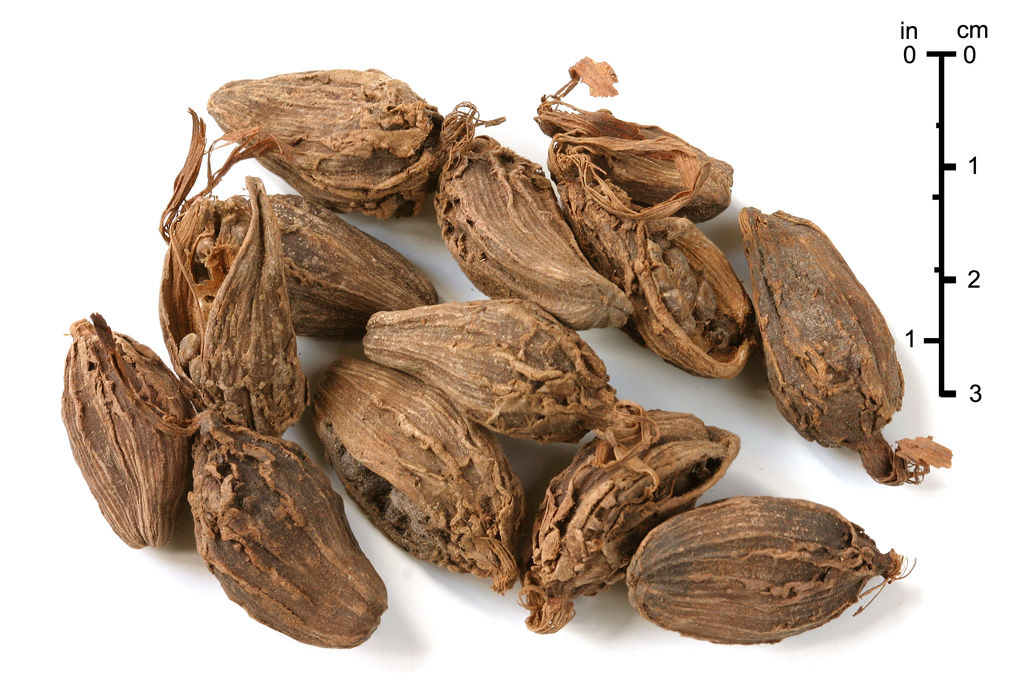 🇳🇵 Nepal and 4 moreBlack cardamom
The dried pod of a Zingiberaceae herb, prized for its smoky, camphor-like flavour in savoury cooking.Fruit · Smoky · Sharp and pungent
🇳🇵 Nepal and 4 moreBlack cardamom
The dried pod of a Zingiberaceae herb, prized for its smoky, camphor-like flavour in savoury cooking.Fruit · Smoky · Sharp and pungent
Its cousins elsewhere
All fruit 🇺🇸 United States and 1 moreDatil pepper
A very hot, sweet-sour cultivar of Capsicum chinense grown mainly in FloridaChilli · Hot and fiery · Sweet and mellow
🇺🇸 United States and 1 moreDatil pepper
A very hot, sweet-sour cultivar of Capsicum chinense grown mainly in FloridaChilli · Hot and fiery · Sweet and mellow
 🇲🇽 Mexico and 5 moreCapsicum annuum
A flowering plant producing berries of many colors and heat levels, from sweet bell peppers to fiery chilies.Fruit · Hot and fiery · Sweet and mellow
🇲🇽 Mexico and 5 moreCapsicum annuum
A flowering plant producing berries of many colors and heat levels, from sweet bell peppers to fiery chilies.Fruit · Hot and fiery · Sweet and mellow
 🇮🇩 Indonesia and 3 moreNutmeg
The dried seed of a tropical evergreen tree, prized for its warm, pungent flavor.Seed · Warm and sweet-spiced · Sweet and mellow
🇮🇩 Indonesia and 3 moreNutmeg
The dried seed of a tropical evergreen tree, prized for its warm, pungent flavor.Seed · Warm and sweet-spiced · Sweet and mellow
 🇱🇾 Libya and 1 morePilpelchumaפלפלצ'ומה
A steamed chili and garlic paste from Libyan Jewish cuisine, now common in Israel.Hot and fiery · Sharp and pungent
🇱🇾 Libya and 1 morePilpelchumaפלפלצ'ומה
A steamed chili and garlic paste from Libyan Jewish cuisine, now common in Israel.Hot and fiery · Sharp and pungent