Regional blends
Achari masala (pickle spice)
The pickle-spice blend of fennel, nigella, mustard and fenugreek used in curries and chutneys.
Presented by ClearTrust Free for cooks, makers and the curious.
Achari means pickled in Hindi and Urdu. Achari masala takes the spice mix used in mango and lime pickle, which commonly combines fennel, mustard, nigella and fenugreek seeds, and uses it as a seasoning for vegetables and meat in a dish called achari.
What goes in
- Fennel321%, Sweet.
- Mustard seed321%, Pungent.
- Nigella214%, Oniony.
- Fenugreek seed17%, Bitter.
- Cumin214%, Earthy.
- Turmeric17%, Colour.
- Red chilli214%, Heat.
Parts by volume of the whole spice. The ring shows each part's share.
Made step by step
Each drawing shows the operation for that step. Ratios and timings differ from house to house; this is one traditional-style way.
Step 1: Toast Dry roast the fennel, mustard, nigella, fenugreek and cumin. Step 2: Pound Cool and crush them coarsely. Step 3: Blend Mix in turmeric and chilli. Step 4: Temper Heat mustard oil until it just smokes, then cool it a little. Step 5: Bloom Stir the spice mix into the oil to make a pickle masala or curry base. Step 6: Store Store the dry blend in a jar. Finished Achari masala (pickle spice), by share.
Seeds and oil
In pickling, seeds are lightly crushed and mixed with mustard oil, salt, turmeric and chilli. The same flavour is borrowed for cooking, where the seeds are tempered in oil and often finished with a spoon of pickle brine or lemon.
Variation
Each region has its own pickles, and the masala changes with them. Kerala, Gujarat, Rajasthan and Punjab all have their own.
Where it is used
The spices in it
 Mustard seedPungent.
 Black cuminKalonji.
 FennelSweet.
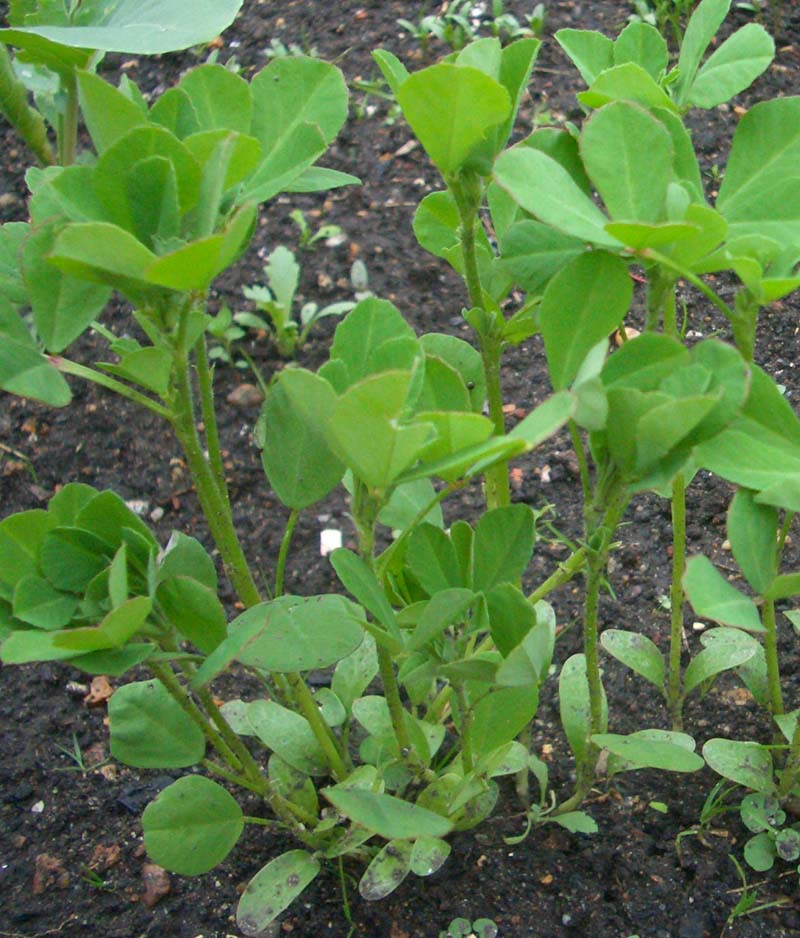 FenugreekThe cuboid seed of an annual legume, prized for its bitter warmth and maple aroma.
 CuminThe dried seed of a small parsley-family herb, used whole or ground in many world cuisines.
 TurmericThe dried rhizome of a tropical ginger relative, prized for its golden color and earthy bite.
 Chili pepperThe pungent berry of the Capsicum plant, used to add heat to dishes worldwide.
More on EveryMasala

Sources and further reading
Original text and drawings by the EveryMasala desk, written with AI assistance and checked against the sources above. The shares are an illustrative, traditional-style ratio, not a standard: every family and maker blends differently. If we have something wrong, tell us.
Photo credits on this page
The small pictures above come from Wikimedia Commons under free licences. Some are cropped to fit.
- Chili pepper: Takeaway, CC BY-SA 4.0, source
- Black cumin: AndreHolz at English Wikipedia, CC BY-SA 3.0, source
- Turmeric: J.M.Garg, CC BY 3.0, source
- Mustard seed: Novalis at en.wikipedia, CC BY-SA 3.0, source
- Cumin: Sanjay Acharya, CC BY-SA 3.0, source
- Fenugreek: Yak, CC BY-SA 3.0, source
- Fennel: Elekes Andor, CC BY 4.0, source
- Mustard seed: Pancrat, CC BY-SA 3.0, source