Classic blends
Five-spice powder
Chinese blend built on star anise, cloves, cinnamon, Sichuan pepper and fennel.
Presented by ClearTrust Free for cooks, makers and the curious.
Five-spice powder is a Chinese blend, with the number five often linked to the five tastes and five elements of traditional thought. It is used in marinades, roasted meats and braised dishes, and the exact five vary.
What goes in
- Star anise429%, Sweet anise.
- Cassia321%, Warm.
- Sichuan pepper321%, Numbing.
- Fennel321%, Sweet.
- Clove17%, Strong.
Parts by volume of the whole spice. The ring shows each part's share.
Made step by step
Each drawing shows the operation for that step. Ratios and timings differ from house to house; this is one traditional-style way.
Step 1: Dry Pick out stems and seeds from the Sichuan pepper. Step 2: Toast Dry toast the star anise, fennel and pepper until aromatic. Step 3: Toast Add the cassia and clove for a short time. Step 4: Rest Cool entirely. Step 5: Grind Grind to a fine powder and sieve. Step 6: Store Store in a small airtight jar and use within a few months. Finished Five-spice powder, by share.
The usual five
Star anise, clove, cassia or cinnamon, Sichuan pepper and fennel seed are typical. Some mixtures use dried tangerine peel, liquorice, ginger or cardamom, so a package may contain more than five.
In the kitchen
It is strong, so small amounts are used. It seasons roast duck, crispy pork belly, braises and marinades. Varieties from Taiwan and Vietnam are slightly different in balance.
Where it is used
The spices in it
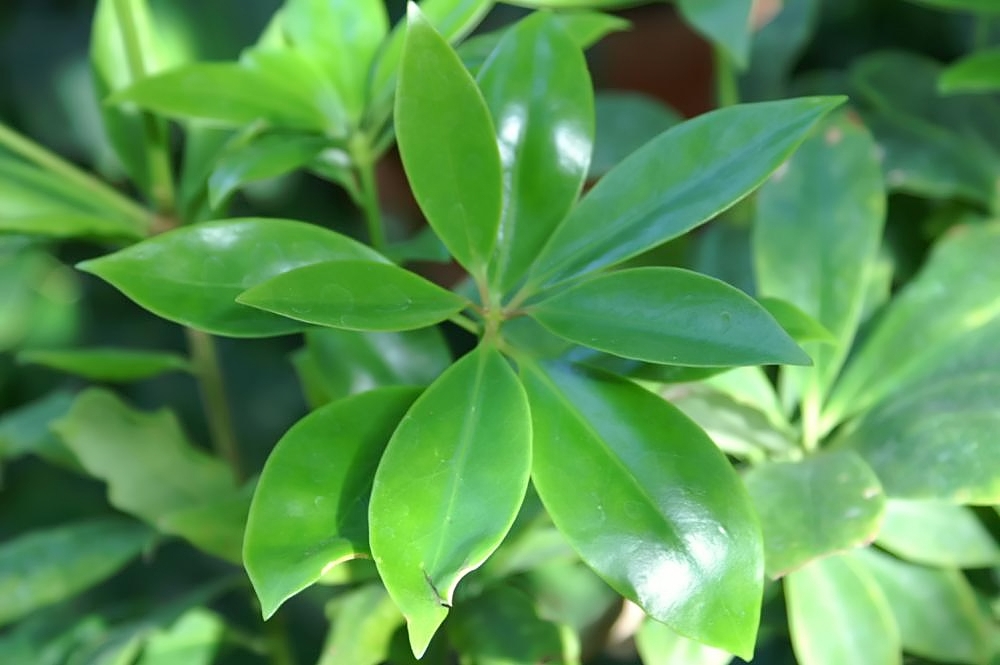 Star aniseStar anise.
 Sichuan pepperNumbing.
 Chinese cassiaCassia.
 CinnamonThe dried inner bark of Cinnamomum trees, prized for its sweet warmth and essential oil.
 FennelThe anise-scented seeds and crisp bulb of a Mediterranean perennial herb
 CloveThe dried flower bud of a tropical tree, prized for its intense warmth and numbing bite.
More on EveryMasala
No spices here yet. New pages are added every day.
Sources and further reading
Original text and drawings by the EveryMasala desk, written with AI assistance and checked against the sources above. The shares are an illustrative, traditional-style ratio, not a standard: every family and maker blends differently. If we have something wrong, tell us.
Photo credits on this page
The small pictures above come from Wikimedia Commons under free licences. Some are cropped to fit.
- Chinese cassia: Itineranttrader, Public domain, source
- Sichuan pepper: Didier Descouens, CC BY-SA 4.0, source
- Clove: Bayu Nugroho, CC BY-SA 4.0, source
- Cinnamon: Luc Viatour, CC BY-SA 3.0, source
- Fennel: Elekes Andor, CC BY 4.0, source
- Star anise: Photo by David J. Stang, CC BY-SA 4.0, source