🇪🇹 The spices of Ethiopia
9 spices from Ethiopia, best known first, across 1 city, market or growing area.
Ethiopian meals center on injera, a sour flatbread made from fermented teff, which serves as both plate and utensil for scooping spicy stews called wat. Seasoning relies heavily on chili-based powders like berbere and mitmita, often cooked into spiced clarified butter known as niter kibbeh. Religious fasting traditions encourage a wide variety of plant-based preparations using vegetable oils and seeds instead of dairy or meat fats.
- Injera is a sour flatbread made from fermented teff, used as both plate and utensil.
- Berbere is a key spice blend containing chili peppers and various aromatic seeds.
- Niter kibbeh is clarified butter infused with garlic, ginger, and other spices.
- Fasting traditions create many vegan dishes using vegetable oils instead of animal fats.
- Kitfo consists of raw minced beef marinated in chili powder and spiced butter.
Spice in Ethiopia
Food here builds community around shared platters where diners tear pieces of bread to gather bites of stew. The table reflects centuries of farming and cross-border trade, blending local crops with outside influences. Christian observances shape much of the diet, creating numerous vegan options during long fasting seasons. Islamic customs also leave their mark, especially when meat appears in celebratory cooking. Geography plays a role too, with highland grains meeting southern root vegetables. This mix produces a distinctive palate where heat meets tanginess, and every region adds its own twist to the national style.
The spices of the kitchen
Heat comes from dried chilies ground into fine dust, sometimes blended with aromatic seeds and bark. Cooks use mustard seeds for sharp salads and fresh jalapeños for cold sides. Turmeric offers a gentler yellow color for milder broths. Butter gets enriched with garlic and warming roots before straining. Beer brewing calls for bitter leaves to balance the malt. Roasted barley brings a nutty crunch to dry snacks. These elements layer flavor without overwhelming the main ingredients, letting the texture of the bread and the richness of the sauce shine through.
Blends and pastes
A famous red powder mixes chili with a dozen aromatics, including cardamom pods, fenugreek seeds, and sweet wood. Another fiery blend focuses on small birdseye chilies paired with cloves and salt, occasionally adding cinnamon. Fat becomes a carrier for flavor when cooks simmer garlic, ginger, and peppercorns in melted butter until clear. This spiced oil coats meats and grains, infusing them with a deep, savory warmth that defines many home kitchens across the country.
Today
Modern kitchens still honor old ways, though pasta shops now dot urban streets. Migration spreads these flavors globally, while locals keep fermentation pits active for daily bread. Trade routes continue to introduce new ingredients, yet the core reliance on chili powders and spiced butter remains unchanged. Protected status for certain grains ensures traditional farming persists. Coffee ceremonies stay central to social life, bridging generations through the ritual of roasting and serving beans.
The facts in this overview come from the Wikipedia article "Ethiopian cuisine", written by its contributors and used under the CC BY-SA 4.0 licence. EveryMasala rewrote the text in its own words, with AI assistance, and compares every page with the article to make sure no passage is copied. It may be reused under the same CC BY-SA 4.0 licence with a link back.
Spice cities and markets of Ethiopia
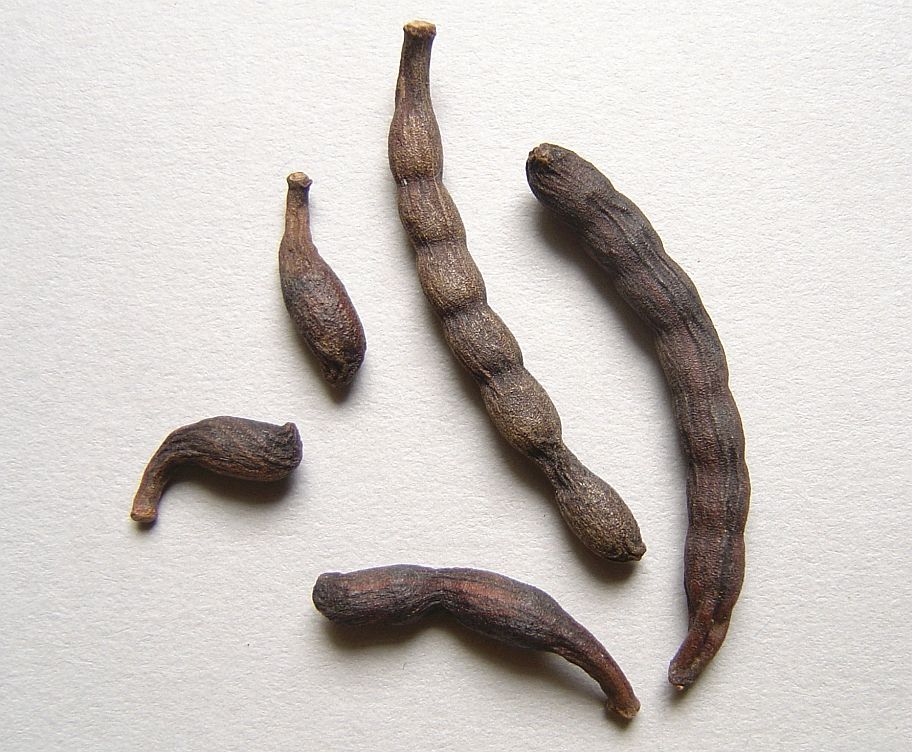 🇬🇭 Ghana and 5 moreGrains of Selimdiarr
The dried fruit of a West African shrub, used as a peppery spice and coffee flavouring.Fruit · Sharp and pungent · Bitter
🇬🇭 Ghana and 5 moreGrains of Selimdiarr
The dried fruit of a West African shrub, used as a peppery spice and coffee flavouring.Fruit · Sharp and pungent · Bitter
 🇪🇹 Ethiopia and 4 moreKorarima
The dried seeds of a wild ginger relative, essential to Ethiopian and Eritrean cooking.Seed · Warm and sweet-spiced · Citrus and bright
🇪🇹 Ethiopia and 4 moreKorarima
The dried seeds of a wild ginger relative, essential to Ethiopian and Eritrean cooking.Seed · Warm and sweet-spiced · Citrus and bright
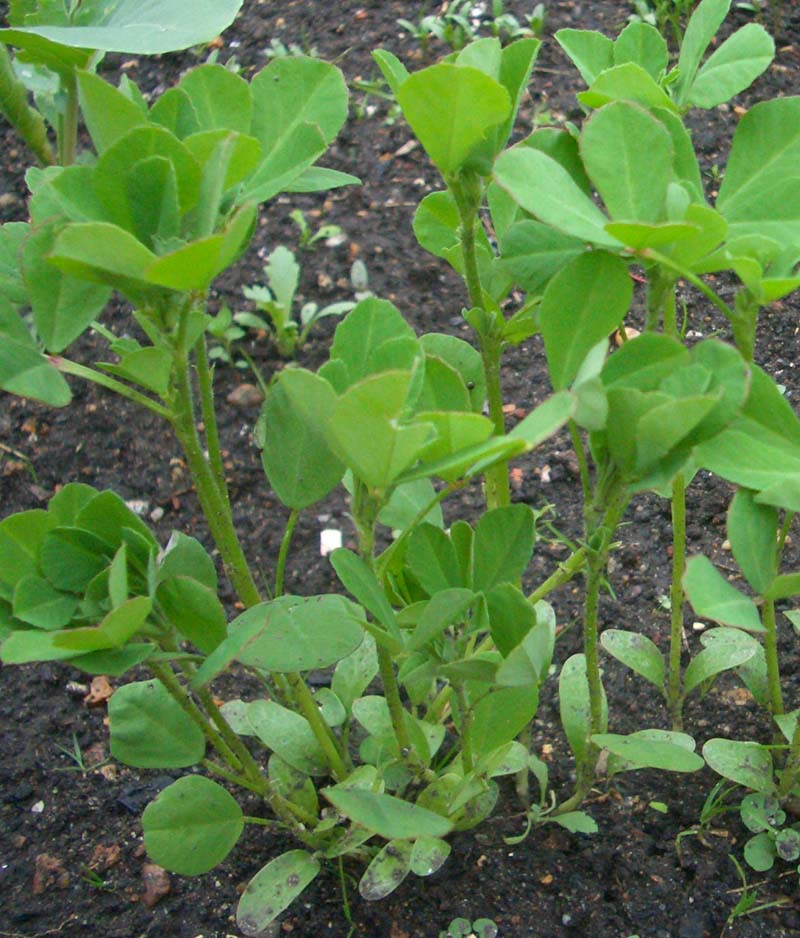 🇮🇳 India and 5 moreFenugreekحلبة (hilba)
The cuboid seed of an annual legume, prized for its bitter warmth and maple aroma.Seed · Bitter · Warm and sweet-spiced
🇮🇳 India and 5 moreFenugreekحلبة (hilba)
The cuboid seed of an annual legume, prized for its bitter warmth and maple aroma.Seed · Bitter · Warm and sweet-spiced
 🇬🇳 Guinea and 5 moreGrains of paradise
The pungent, citrus-tinged seeds of a West African ginger relative.Seed · Sharp and pungent · Hot and fiery
🇬🇳 Guinea and 5 moreGrains of paradise
The pungent, citrus-tinged seeds of a West African ginger relative.Seed · Sharp and pungent · Hot and fiery
Photo credits on this page
The small pictures above come from Wikimedia Commons under free licences. Some are cropped to fit.
- Grains of Selim: Unknown author, CC BY 2.0, source
- Grains of paradise: Lemmikkipuu, CC BY-SA 3.0, source
- Fenugreek: Yak, CC BY-SA 3.0, source
- Korarima: Joe Castleman ( Gyrofrog ), CC BY-SA 3.0, source
The weekly digest
Every Monday: seven spices you may not know, what is cooking this week, and one blend explained step by step.