Regional blends
Niter kibbeh spice mix
The aromatic mix simmered into Ethiopian clarified butter: fenugreek, korarima, cardamom and turmeric.
Presented by ClearTrust Free for cooks, makers and the curious.
Niter kibbeh is spiced clarified butter, basic to Ethiopian and Eritrean cooking. The butter is simmered with onion, garlic, ginger and a handful of spices, then strained. It is used for stews and for finishing dishes, and fasting dishes use oil instead.
What goes in
- Fenugreek seed217%, Slight bitter.
- Korarima217%, Cardamom relative.
- Cardamom217%, Perfume.
- Cinnamon217%, Warm.
- Turmeric217%, Colour.
- Clove18%, Pungent.
- Nutmeg18%, Sweet.
Parts by volume of the whole spice. The ring shows each part's share.
Made step by step
Each drawing shows the operation for that step. Ratios and timings differ from house to house; this is one traditional-style way.
Step 1: Infuse Melt unsalted butter slowly over low heat. Step 2: Pound Lightly crush the cardamom, korarima and cinnamon. Step 3: Bloom Add onion, garlic, ginger and the spices to the butter. Step 4: Infuse Simmer gently for about an hour without browning. Step 5: Rest Let it settle and skim the foam. Step 6: Store Strain through muslin into a jar. Finished Niter kibbeh spice mix, by share.
The spices
Fenugreek seed, korarima, cardamom, cinnamon, clove, turmeric, nutmeg and sometimes basil or the herb besobela are used. The mix varies by family and by region.
Fast days
Many Ethiopian Orthodox Christians keep fasting days with no animal products, so on those days cooks use oil. Niter kibbeh is used on feast days and in everyday cooking at other times.
Where it is used
The spices in it
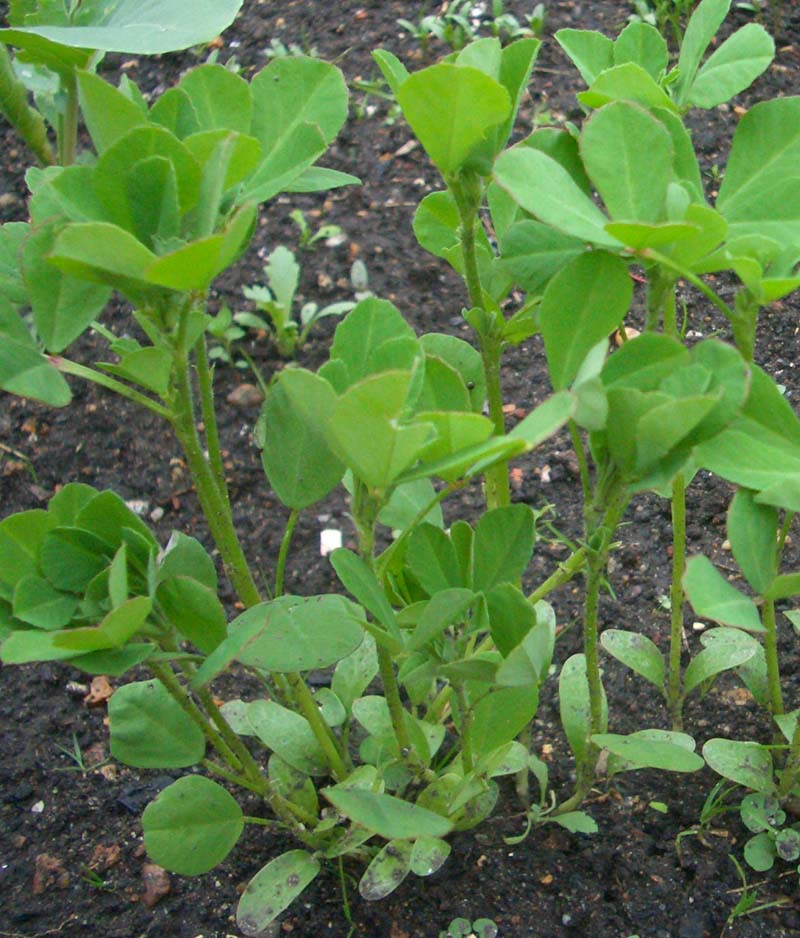 FenugreekSeed.
 KorarimaKorarima.
 CardamomAromatic seeds from spindle-shaped pods used in sweet and savory dishes across Asia and the Middle East.
 CinnamonThe dried inner bark of Cinnamomum trees, prized for its sweet warmth and essential oil.
 TurmericThe dried rhizome of a tropical ginger relative, prized for its golden color and earthy bite.
 CloveThe dried flower bud of a tropical tree, prized for its intense warmth and numbing bite.
 NutmegThe dried seed of a tropical evergreen tree, prized for its warm, pungent flavor.
Also part of it, and being written: Niter kibbeh (Spiced butter.).
More on EveryMasala
No spices here yet. New pages are added every day.
Sources and further reading
Original text and drawings by the EveryMasala desk, written with AI assistance and checked against the sources above. The shares are an illustrative, traditional-style ratio, not a standard: every family and maker blends differently. If we have something wrong, tell us.
Photo credits on this page
The small pictures above come from Wikimedia Commons under free licences. Some are cropped to fit.
- Clove: Bayu Nugroho, CC BY-SA 4.0, source
- Cinnamon: Luc Viatour, CC BY-SA 3.0, source
- Turmeric: J.M.Garg, CC BY 3.0, source
- Fenugreek: Yak, CC BY-SA 3.0, source
- Korarima: Joe Castleman ( Gyrofrog ), CC BY-SA 3.0, source
- Cardamom: Didier Descouens, CC BY-SA 4.0, source
- Nutmeg: Herusutimbul, CC BY-SA 4.0, source