🇱🇰 The spices of Sri Lanka
11 spices from Sri Lanka, best known first, across 4 cities, markets and growing areas.
Sri Lankan cooking builds its character on rice, coconut, and seafood, seasoned with distinct local spices like cinnamon and pepper. These elements create a cuisine that balances sweet, sour, and spicy notes through unique blends and fermentation techniques.
- True cinnamon (Cinnamomum verum) is native to Sri Lanka and prized for its delicate taste.
- Maldives fish adds umami depth to vegetable dishes across the island.
- Hoppers use fermented rice batter, leavened by palm toddy or yeast.
- Kiribath is milk rice cooked until soft, essential for New Year celebrations.
- Goraka provides a sour element in stews where tamarind might not suffice.
Spice in Sri Lanka
This island cuisine centers on rice and coconut, shaped by historic trade routes and influences from India, Indonesia, and Europe. Coastal areas emphasize seafood, while inland regions rely on hill vegetables and fruits. The food shares ties with South and Southeast Asian neighbors but maintains a distinct identity through specific spice choices and preparation styles.
The spices of the kitchen
True cinnamon is the hallmark spice, offering a delicate sweetness compared to cassia varieties. Black pepper adds heat, while goraka provides sourness in stews. Lemongrass, pandan leaves, curry leaves, and shallots form the aromatic base. Turmeric, cumin, coriander, cloves, cardamom, fennel, fenugreek, nutmeg, and mace are also commonly used to build complex flavor profiles.
Blends and pastes
Lunu miris combines red onions and chilies for a sharp relish. Coconut sambol mixes ground coconut, dried Maldives fish, and lime juice. Seeni sambol offers a sweet-savory onion jam. Mallung blends chopped greens with grated coconut and red onions. Malay achcharu presents pickled vegetables in a sweet, sour, and spicy sauce. These condiments accompany most main dishes.
Today
Modern kitchens blend traditional methods with contemporary influences. Chinese restaurants have adapted dishes to local tastes since the mid-twentieth century. Migration has introduced Indonesian staples like nasi goreng. Protected geographical indications help preserve the reputation of true cinnamon. Urban centers offer diverse dining options while rural areas maintain traditional home cooking practices.
The facts in this overview come from the Wikipedia article "Sri Lankan cuisine", written by its contributors and used under the CC BY-SA 4.0 licence. EveryMasala rewrote the text in its own words, with AI assistance, and compares every page with the article to make sure no passage is copied. It may be reused under the same CC BY-SA 4.0 licence with a link back.
 🇱🇰 Sri Lanka and 5 moreCinnamon
The dried inner bark of Cinnamomum trees, prized for its sweet warmth and essential oil.Bark · Warm and sweet-spiced · Sweet and mellow
🇱🇰 Sri Lanka and 5 moreCinnamon
The dried inner bark of Cinnamomum trees, prized for its sweet warmth and essential oil.Bark · Warm and sweet-spiced · Sweet and mellow
 🇮🇳 India and 4 moreBasil
A tender culinary herb with glossy leaves and a licorice-like aroma, native to tropical Asia.Leaf · Anise and liquorice · Warm and sweet-spiced
🇮🇳 India and 4 moreBasil
A tender culinary herb with glossy leaves and a licorice-like aroma, native to tropical Asia.Leaf · Anise and liquorice · Warm and sweet-spiced
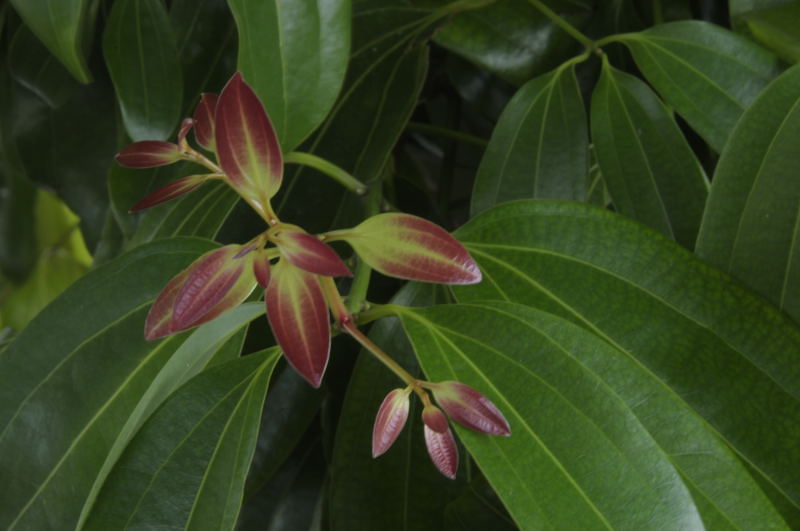 🇱🇰 Sri Lanka and 3 moreCeylon cinnamon
The inner bark of a Sri Lankan evergreen, prized for its delicate, sweet spice.Bark · Sweet and mellow · Warm and sweet-spiced
🇱🇰 Sri Lanka and 3 moreCeylon cinnamon
The inner bark of a Sri Lankan evergreen, prized for its delicate, sweet spice.Bark · Sweet and mellow · Warm and sweet-spiced
 🇮🇩 Indonesia and 5 morePandan
The fragrant leaf of a sterile screwpine, used to scent rice and desserts across Asia.Leaf · Sweet and mellow · Floral and perfumed
🇮🇩 Indonesia and 5 morePandan
The fragrant leaf of a sterile screwpine, used to scent rice and desserts across Asia.Leaf · Sweet and mellow · Floral and perfumed
Photo credits on this page
The small pictures above come from Wikimedia Commons under free licences. Some are cropped to fit.
- Pandan: Zuhairali, CC BY-SA 3.0, source
- Ceylon cinnamon: NickCT, CC BY-SA 3.0, source
- Basil: Castielli, CC BY-SA 3.0, source
- Cinnamon: Luc Viatour, CC BY-SA 3.0, source
The weekly digest
Every Monday: seven spices you may not know, what is cooking this week, and one blend explained step by step.