Regional blends
Sri Lankan roasted curry powder
A dark, deeply roasted curry powder with rice, cinnamon and fennel, used in Sri Lankan curries.
Presented by ClearTrust Free for cooks, makers and the curious.
Sri Lankan roasted curry powder, or thuna paha, is browner and deeper than ordinary curry powders because the spices, and sometimes a little raw rice, are roasted until dark. Cinnamon grown on the island is a key part.
What goes in
- Coriander seed638%, Roasted dark.
- Cumin319%, Roasted.
- Fennel213%, Sweet.
- Cinnamon213%, Ceylon bark.
- Cardamom16%, Aroma.
- Clove16%, Pungent.
- Fenugreek16%, Bitter edge.
Parts by volume of the whole spice. The ring shows each part's share.
Made step by step
Each drawing shows the operation for that step. Ratios and timings differ from house to house; this is one traditional-style way.
Step 1: Toast Roast the coriander in a heavy pan until deep brown. Step 2: Toast Roast the cumin and fennel separately to a lighter brown. Step 3: Toast Roast the fenugreek and rice briefly if using. Step 4: Toast Add the cinnamon, cardamom and clove for a few seconds. Step 5: Rest Cool completely. Step 6: Grind Grind to a fine powder. Step 7: Store Store airtight and away from light. Finished Sri Lankan roasted curry powder, by share.
Roasting
The roasting is the signature step. Coriander, cumin and fennel are taken to a deep brown, which gives a slightly bitter, smoky depth. Raw rice is sometimes added to thicken curries.
Island produce
Sri Lanka is long known for cinnamon and also grows pepper, cardamom and clove. Curry leaf and pandan are used in cooking but not always in the powder.
Where it is used
The spices in it
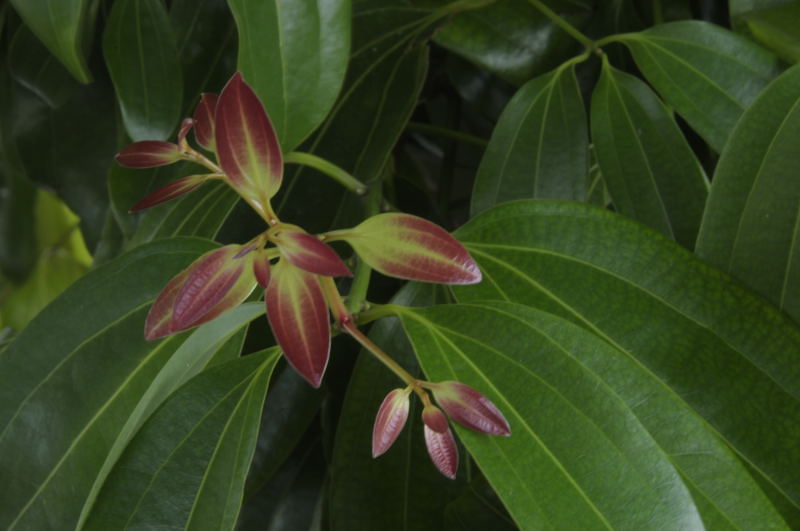 Ceylon cinnamonCeylon cinnamon.
 CorianderRoasted.
 FennelSweet seed.
 CuminThe dried seed of a small parsley-family herb, used whole or ground in many world cuisines.
 CinnamonThe dried inner bark of Cinnamomum trees, prized for its sweet warmth and essential oil.
 CardamomAromatic seeds from spindle-shaped pods used in sweet and savory dishes across Asia and the Middle East.
 CloveThe dried flower bud of a tropical tree, prized for its intense warmth and numbing bite.
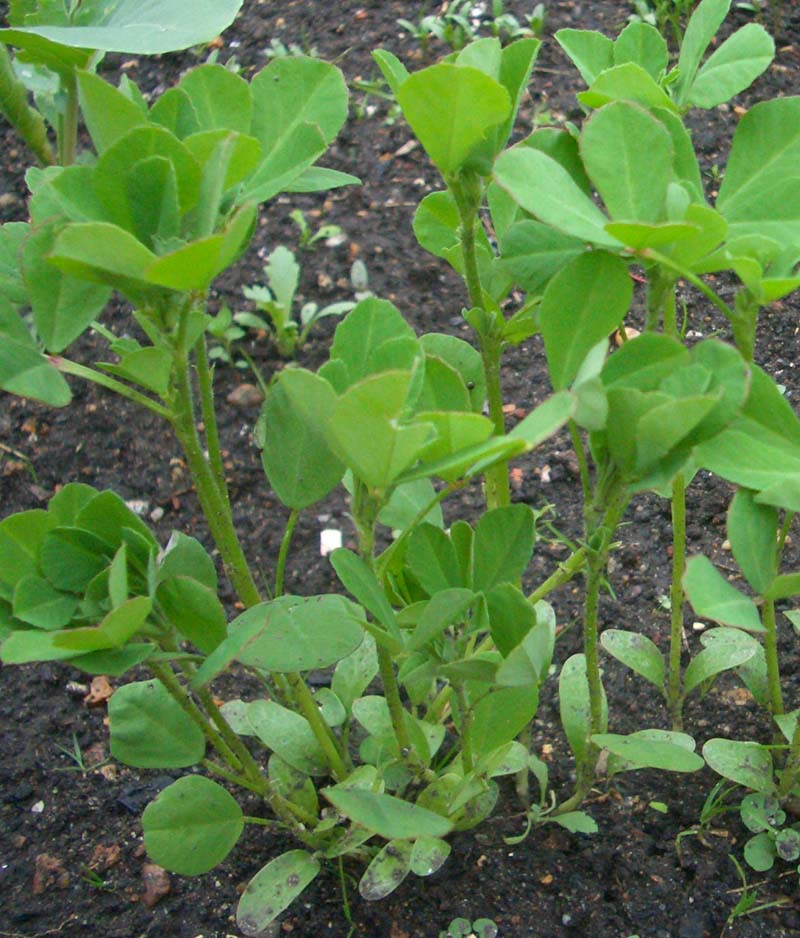 FenugreekThe cuboid seed of an annual legume, prized for its bitter warmth and maple aroma.
More on EveryMasala
No spices here yet. New pages are added every day.
Sources and further reading
Original text and drawings by the EveryMasala desk, written with AI assistance and checked against the sources above. The shares are an illustrative, traditional-style ratio, not a standard: every family and maker blends differently. If we have something wrong, tell us.
Photo credits on this page
The small pictures above come from Wikimedia Commons under free licences. Some are cropped to fit.
- Clove: Bayu Nugroho, CC BY-SA 4.0, source
- Cumin: Sanjay Acharya, CC BY-SA 3.0, source
- Ceylon cinnamon: NickCT, CC BY-SA 3.0, source
- Fenugreek: Yak, CC BY-SA 3.0, source
- Cardamom: Didier Descouens, CC BY-SA 4.0, source
- Fennel: Elekes Andor, CC BY 4.0, source
- Coriander: Thamizhpparithi Maari, CC BY-SA 3.0, source
- Cinnamon: Luc Viatour, CC BY-SA 3.0, source