
Pandan
Pandanus amaryllifolius
The fragrant leaf of a sterile screwpine, used to scent rice and desserts across Asia.
Pandan is the long, blade-like leaf of Pandanus amaryllifolius, a sterile tropical plant domesticated in ancient times. It offers a sweet, floral aroma reminiscent of vanilla and grass. Cooks use it whole or as juice to flavor rice, cakes, and drinks throughout Southeast and South Asia.
- Sterile plant propagated only by cuttings or suckers.
- Aroma caused by 2-acetyl-1-pyrroline compound.
- Used as natural cockroach repellent in some regions.
- Acts as a substitute for basmati rice fragrance.
- Green color comes from chlorophyll in shaded plants.
What is Pandan?
Pandan refers to the vibrant green leaves of Pandanus amaryllifolius, a sterile screwpine. The plant stands upright with woody aerial roots and fan-shaped sprays of long, narrow foliage. Its scent is distinctively sweet and floral, often compared to vanilla or fresh grass. This aroma comes from 2-acetyl-1-pyrroline, a compound also found in jasmine rice and white bread. The leaves provide both color and fragrance to dishes without overpowering them.
Where does Pandan come from?
This plant is a true cultigen, meaning it was domesticated by humans and no longer exists in the wild. It reproduces only through cuttings or suckers because it is sterile. Specimens were first described from the Maluku Islands, where rare male flowers suggested this might be its origin. However, without other wild specimens, this remains conjecture. It has been grown widely across Southeast and South Asia for centuries.
What does Pandan taste like?
The flavor profile is subtle, combining sweet, floral, and grassy notes with a hint of vanilla. The smell is nutty and botanical, acting as a gentle enhancer rather than a sharp spice. The aromatic compound 2-acetyl-1-pyrroline provides the signature scent. The green color comes from chlorophyll, which intensifies when plants grow under tree shade rather than direct sunlight.
How Pandan is grown and processed
Pandan is cultivated extensively in tropical regions. Because it cannot produce seeds, farmers propagate it vegetatively using cuttings or suckers. The plant thrives in humid climates typical of Southeast Asia. Leaves are harvested fresh, dried, or frozen for commercial sale. In areas where it does not grow naturally, frozen leaves are available in Asian grocery stores.
Pandan, drawn
How Pandan is used
Cooks use pandan to scent rice, desserts, and beverages. Leaves are often tied in knots or bruised before being added to coconut milk or rice pots. They can also be woven into baskets for cooking. The green juice serves as a natural food coloring and flavoring agent in cakes like klepon and lapis legit. In Thailand, chicken is sometimes wrapped in leaves and fried. It also acts as a mild preservative against mold due to its antibacterial properties.
Pandan in the world's kitchens
In Southeast Asia, it is known as pandan and features heavily in Filipino, Indonesian, Malaysian, Vietnamese, Cambodian, and Singaporean cuisines. In Sri Lanka, it is called rampe or rambai and is used alongside curry leaves for aroma. In India, it is known as annapurna leaves and scents rice and pithas. In Bangladesh, it is pulao pata, used in biryani. In the Maldives, ran'baa enhances pulao and sweet rice pudding.
At a glance: where it turns up


Spiritual and ceremonial use
It is primarily a culinary and household item rather than a sacred object in formal worship practices.
Pandan at celebrations
Its use is general and daily across the regions where it is cultivated.
Traditional and medicinal use
Beyond cooking, pandan leaves are used in traditional medicine and perfume production. The essence can substitute for vanilla. Studies note its effectiveness as a natural repellent against American cockroaches. In Thailand, cab drivers place leaves in vehicles as a natural air freshener. It is also valued for its ability to preserve food by inhibiting fungal growth.
Buying and storing Pandan
Fresh leaves can be frozen for later use. Dried leaves are also commercially available. Bottled extracts exist but may contain artificial green coloring. For best results, use fresh or frozen leaves to retain the full aromatic profile, as drying may reduce potency.
What to use instead of Pandan
Pandan essence can substitute for vanilla essence in baking. In rice dishes, it acts as a cheap alternative to basmati rice, providing similar fragrance using ordinary rice. No direct single-herb substitute matches its unique vanilla-grass flavor, though vanilla extract is sometimes used in Western adaptations.
The trade in Pandan
Pandan is grown widely throughout Southeast and South Asia. Frozen leaves are exported to Asian grocery stores in nations where the plant does not grow. While celebrity chefs have promoted it globally, it has long been a staple ingredient in Asian households. The trade focuses on fresh, dried, and frozen forms, along with bottled extracts.
Meal
Pandan is most common in desserts and sweet drinks. It flavors traditional cakes, puddings, and coconut-based sweets. It is also used in savory contexts, such as enhancing the aroma of fragrant rice dishes and biryani. Street vendors and home cooks alike use it to add a pleasant scent to everyday snacks and beverages.
Questions people ask about Pandan
What does pandan taste like?
It tastes sweet, floral, and grassy with a distinct vanilla-like aroma. The flavor is subtle and nutty, making it ideal for desserts and rice dishes without overpowering other ingredients.
Where does pandan come from?
It originates from the Maluku Islands in Indonesia. It is now widely cultivated throughout Southeast Asia and parts of South Asia, including Sri Lanka and India, where it is a household staple.
How is pandan used in cooking?
Leaves are tied in knots, bruised, or blended into juice. They flavor coconut rice, cakes, and drinks. The green juice colors foods, while the leaves impart a fragrant vanilla-grass scent during cooking.
Can I buy pandan outside Asia?
Yes, frozen pandan leaves are available in many Asian grocery stores worldwide. Bottled extracts are also sold, though they may contain artificial coloring. Fresh leaves are harder to find outside tropical regions.
Good reading and sources
- Pandanus amaryllifolius on WikipediaEncyclopedia
- More photos on Wikimedia CommonsPhotos and video
- Wikidata recordOpen data
The facts on this page come from the Wikipedia article "Pandanus amaryllifolius", written by its contributors and used under the CC BY-SA 4.0 licence, and from its Wikidata record (CC0). EveryMasala rewrote the text in its own words, with AI assistance, and compares every page with the article to make sure no passage is copied. It may be reused under the same CC BY-SA 4.0 licence with a link back.
It may contain mistakes. Names, strengths and customs differ from one grower, kitchen or shop to the next. Traditional and medicinal uses are described as tradition, never as medical advice, and none of this is a substitute for a doctor. If something is wrong, tell us. Last refreshed 2026-10-04.
More from Indonesia
All the spices of Indonesia 🇮🇩 Indonesia and 2 moreIndonesian bay leafdaun salam
The aromatic leaves of a Myrtaceae tree used to flavour soups and stews across Indonesia and Suriname.Leaf · Bitter
🇮🇩 Indonesia and 2 moreIndonesian bay leafdaun salam
The aromatic leaves of a Myrtaceae tree used to flavour soups and stews across Indonesia and Suriname.Leaf · Bitter
 🇹🇭 Thailand and 5 moreKaffir limeมะกรูด
The bumpy-skinned citrus fruit and double-leafed shrub of Southeast AsiaFruit · Citrus and bright · Sharp and pungent
🇹🇭 Thailand and 5 moreKaffir limeมะกรูด
The bumpy-skinned citrus fruit and double-leafed shrub of Southeast AsiaFruit · Citrus and bright · Sharp and pungent
 🇰🇭 Cambodia and 5 moreVietnamese corianderrau răm
The fresh leaves of a tropical herb used in Southeast Asian soups and saladsLeaf · Citrus and bright · Sharp and pungent
🇰🇭 Cambodia and 5 moreVietnamese corianderrau răm
The fresh leaves of a tropical herb used in Southeast Asian soups and saladsLeaf · Citrus and bright · Sharp and pungent
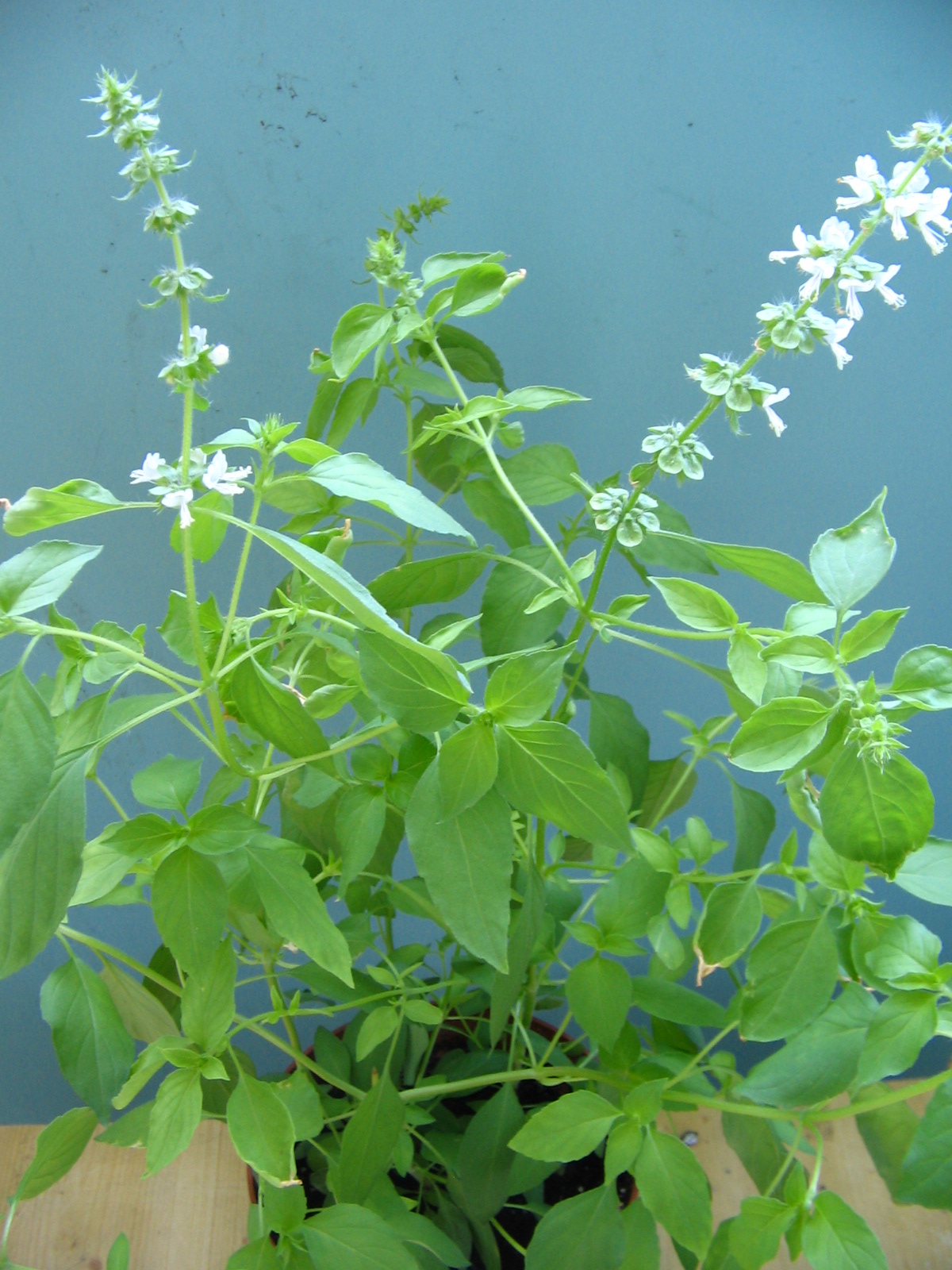 🇱🇦 Laos and 5 moreLemon basil
A hybrid herb with a bright citrus scent, used across Southeast Asia and Africa.Leaf · Citrus and bright · Herbal and green
🇱🇦 Laos and 5 moreLemon basil
A hybrid herb with a bright citrus scent, used across Southeast Asia and Africa.Leaf · Citrus and bright · Herbal and green
Its cousins elsewhere
All leaf 🇲🇽 Mexico and 4 moreVanilla
The cured seed pods of a climbing orchid, the world's second-most expensive spice by weight.Fruit · Sweet and mellow · Floral and perfumed
🇲🇽 Mexico and 4 moreVanilla
The cured seed pods of a climbing orchid, the world's second-most expensive spice by weight.Fruit · Sweet and mellow · Floral and perfumed
 🇮🇳 IndiaKewraकेवड़ा
A fragrant essential oil distilled from the male flowers of the screwpine plant.Resin · Sweet and mellow · Floral and perfumed
🇮🇳 IndiaKewraकेवड़ा
A fragrant essential oil distilled from the male flowers of the screwpine plant.Resin · Sweet and mellow · Floral and perfumed
 🇵🇪 Peru and 3 morePink peppercornbaie rose
The dried fruit of Schinus trees, offering a sweet, piney heat distinct from black pepper.Fruit · Sharp and pungent · Citrus and bright
🇮🇷 IranAdviehادویه
A fragrant blend of spices used to season rice and stews in Iranian cooking.Warm and sweet-spiced · Sweet and mellow
🇵🇪 Peru and 3 morePink peppercornbaie rose
The dried fruit of Schinus trees, offering a sweet, piney heat distinct from black pepper.Fruit · Sharp and pungent · Citrus and bright
🇮🇷 IranAdviehادویه
A fragrant blend of spices used to season rice and stews in Iranian cooking.Warm and sweet-spiced · Sweet and mellow