
Gari
In its own language: ガリ
Thinly sliced young ginger pickled in sweet vinegar, served with sushi.
Gari is a Japanese tsukemono made from tender young ginger marinated in sugar and vinegar. It is traditionally served after sushi to cleanse the palate between pieces.
- Made from thinly sliced young ginger marinated in sugar and vinegar.
- Served after sushi pieces to cleanse the palate.
- Naturally pale yellow, sometimes dyed pink commercially.
- Considered essential in sushi presentation.
- Younger ginger provides better tenderness and sweetness.
What is Gari?
Gari consists of very thin slices of young ginger root that have been preserved in a mixture of vinegar and sugar. The preparation results in a tender texture with a natural sweetness from the fresh rhizome. The pickling process typically yields a pale yellow colour, though some batches develop a soft pink hue if extremely young ginger is used. Commercial versions often add artificial or natural dyes like beet juice to achieve this pink shade. It functions as a tsukemono, which is a category of Japanese pickled vegetables designed to accompany main dishes.
Where does Gari come from?
This condiment originates from Japan, where it has become a standard component of sushi presentation. The tradition relies on selecting younger ginger plants because their flesh is more tender and naturally sweeter than mature roots. While specific historical dates are not detailed in the provided records, its role in Japanese cuisine is well-established as an essential element for serving alongside raw fish preparations.
What does Gari taste like?
The taste profile balances sharp pungency from the ginger with distinct sour notes from the vinegar and clear sweetness from the added sugar. This combination creates a bright, clean flavour that cuts through the richness of fatty fish. The heat level is mild compared to fresh ginger, softened significantly by the marinade. The aroma remains fresh and zesty without being overwhelming.
How Gari is grown and processed
Young ginger plants are preferred for production due to their delicate structure and higher sugar content. The roots are harvested while still tender, then sliced into very thin strips. These slices are immediately submerged in a solution containing vinegar and sugar to begin the preservation process. No specific drying or curing methods beyond this marination are described in the available information.
Gari, drawn
How Gari is used
It is primarily used as a side dish served directly alongside sushi. Diners typically eat a few slices between different pieces of nigiri or maki to reset their taste buds. Some people consume it before starting the meal or after finishing to refresh the mouth. It is considered an essential part of the visual and culinary presentation of a sushi plate in traditional settings.
Gari in the world's kitchens
Japanese cuisine utilizes gari as a fundamental garnish for sushi. It is deeply integrated into the dining etiquette of eating raw fish preparations. The condiment is expected in formal sushi presentations and is widely available in both traditional restaurants and commercial food production within Japan.
At a glance: where it turns up

Traditional and medicinal use
In Japanese tradition, gari is viewed as a palate cleanser. It is believed to help neutralize lingering flavours between different types of sushi. This practice supports the appreciation of each piece's individual taste. There are no medicinal claims or ritualistic uses associated with the condiment in the provided sources.
Meal
Gari belongs to lunch and dinner occasions where sushi is consumed. It serves as a functional accompaniment rather than a standalone food item. Its role is specifically tied to the structure of a sushi meal, providing breaks between bites of raw fish and rice.
Questions people ask about Gari
What is gari?
Gari is a Japanese pickled vegetable made from thin slices of young ginger marinated in a sweet vinegar solution. It is a type of tsukemono commonly served alongside sushi.
Why is it called sushi ginger?
It is called sushi ginger because it is traditionally eaten between pieces of sushi. The purpose is to cleanse the palate, allowing the diner to fully appreciate the flavour of the next piece of fish.
Where does gari come from?
Gari comes from Japan. It is a staple condiment in Japanese cuisine, specifically designed to accompany sushi meals and enhance the dining experience.
What does gari taste like?
Gari tastes sweet, sour, and mildly pungent. The vinegar and sugar balance the natural sharpness of the ginger, creating a refreshing flavour that cleanses the mouth.
Good reading and sources
- Gari (ginger) on WikipediaEncyclopedia
- More photos on Wikimedia CommonsPhotos and video
- Wikidata recordOpen data
The facts on this page come from the Wikipedia article "Gari (ginger)", written by its contributors and used under the CC BY-SA 4.0 licence, and from its Wikidata record (CC0). EveryMasala rewrote the text in its own words, with AI assistance, and compares every page with the article to make sure no passage is copied. It may be reused under the same CC BY-SA 4.0 licence with a link back.
It may contain mistakes. Names, strengths and customs differ from one grower, kitchen or shop to the next. Traditional and medicinal uses are described as tradition, never as medical advice, and none of this is a substitute for a doctor. If something is wrong, tell us. Last refreshed 2026-10-04.
More from Japan
All the spices of Japan 🇯🇵 Japan and 1 moreShishito pepper獅子唐辛子 (Shishitōgarashi)
A slender East Asian chili that is mostly mild with occasional spicy surprises.Sweet and mellow · Hot and fiery
🇯🇵 Japan and 1 moreShishito pepper獅子唐辛子 (Shishitōgarashi)
A slender East Asian chili that is mostly mild with occasional spicy surprises.Sweet and mellow · Hot and fiery
 🇯🇵 JapanKarashiからし
A potent Japanese mustard made from brown mustard seeds, served as a sharp condiment.Seed · Hot and fiery · Sharp and pungent
🇯🇵 JapanKarashiからし
A potent Japanese mustard made from brown mustard seeds, served as a sharp condiment.Seed · Hot and fiery · Sharp and pungent
 🇯🇵 JapanYuzu koshō柚子胡椒
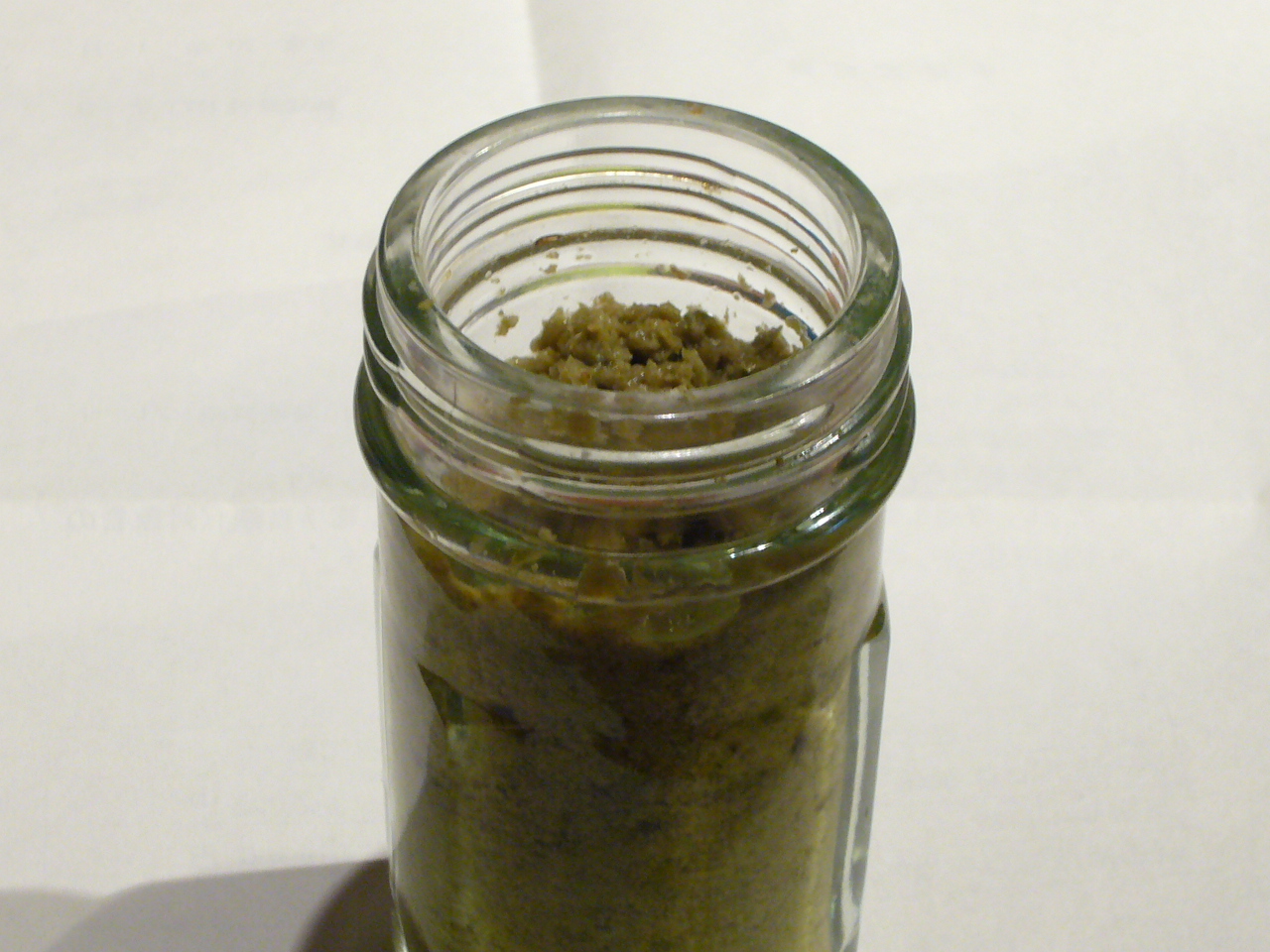
A fermented Japanese paste of chili peppers and yuzu citrus peel.Paste · Hot and fiery · Citrus and bright
🇯🇵 JapanMoshio salt藻塩
A Japanese sea salt flavoured with dried hondawara seaweed.Seasoning · Savoury and umami
🇯🇵 JapanYuzu koshō柚子胡椒
A fermented Japanese paste of chili peppers and yuzu citrus peel.Paste · Hot and fiery · Citrus and bright
🇯🇵 JapanMoshio salt藻塩
A Japanese sea salt flavoured with dried hondawara seaweed.Seasoning · Savoury and umami
Its cousins elsewhere
 🇮🇹 ItalyMostardamostarda di frutta
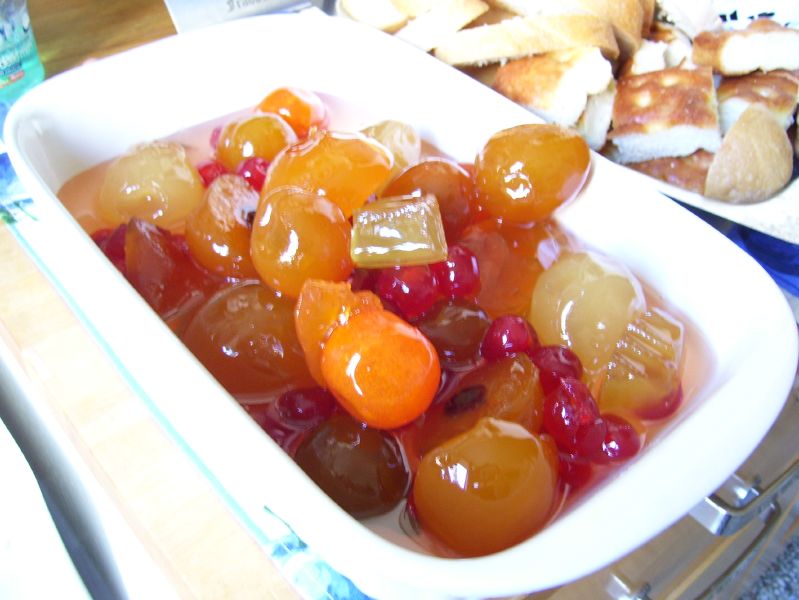
A northern Italian condiment of candied fruit in a sharp mustard syrupBlend · Sweet and mellow · Sharp and pungent
🇮🇹 ItalyMostardamostarda di frutta
A northern Italian condiment of candied fruit in a sharp mustard syrupBlend · Sweet and mellow · Sharp and pungent
 🇱🇰 Sri Lanka and 5 moreCinnamon
The dried inner bark of Cinnamomum trees, prized for its sweet warmth and essential oil.Bark · Warm and sweet-spiced · Sweet and mellow
🇱🇰 Sri Lanka and 5 moreCinnamon
The dried inner bark of Cinnamomum trees, prized for its sweet warmth and essential oil.Bark · Warm and sweet-spiced · Sweet and mellow
 🇮🇩 Indonesia and 4 moreNutmeg
The dried seed of a tropical tree, prized for its warm, pungent spice.Seed · Warm and sweet-spiced · Sweet and mellow
🇮🇩 Indonesia and 4 moreNutmeg
The dried seed of a tropical tree, prized for its warm, pungent spice.Seed · Warm and sweet-spiced · Sweet and mellow
 🇮🇹 Italy and 5 moreMustard
A pungent paste made from ground mustard seeds mixed with liquid and spices.Paste · Sharp and pungent · Hot and fiery
🇮🇹 Italy and 5 moreMustard
A pungent paste made from ground mustard seeds mixed with liquid and spices.Paste · Sharp and pungent · Hot and fiery