
Merkén
In its own language: mezkeñ
Capsicum annuum var. longum
A traditional Mapuche smoked chili condiment from Chile, often mixed with coriander.
Merkén is a smoked chili pepper condiment originating from the Mapuche people of Chile. It is made from dried 'cacho de cabra' peppers, which are sun-dried and smoked over wood fires before being ground, sometimes with coriander seeds and salt.
- Made from 'cacho de cabra' peppers smoked over wood fire.
- Originates from the Mapuche people of Chile's Araucanía Region.
- Often blended with toasted coriander seeds and salt.
- Used as a dry rub for meats and seafood.
- Commercially sold as 'natural' or 'special' varieties.
What is Merkén?
Merkén, also spelled merquén, is a spicy condiment rooted in the culinary traditions of the Mapuche people in Chile. The name comes from the Mapudungun language. The base ingredient is a specific type of dried red pepper known as 'cacho de cabra'. These peppers undergo a two-step drying process: first, they are left to dry naturally under the sun. Afterward, they are smoked over an open wood fire, which gives the final product its distinctive character. The result is a potent, smoky heat that serves as a key flavoring agent in regional dishes.
Where does Merkén come from?
This spice originates primarily from the Araucanía Region of Chile, where it has been a staple of Mapuche cuisine for generations. It represents a traditional method of preserving and flavoring food using locally available peppers and wood smoke. In recent decades, particularly since the start of the twenty-first century, merkén has moved beyond local use. Professional chefs have taken notice, introducing it to international markets while it remains deeply embedded in everyday Chilean cooking.
What does Merkén taste like?
The taste of merkén is defined by its smoky depth and significant heat. The smoking process over wood fire imparts a distinct aromatic quality that distinguishes it from fresh or simply dried chilies. When prepared as 'special merkén', the blend includes roasted coriander seeds, which add a warm, nutty, and slightly citrusy counterpoint to the sharp chili heat. Salt is also added to enhance the flavors and act as a preservative. The combination creates a complex profile that is both pungent and savory.
How Merkén is grown and processed
The primary ingredient is the 'cacho de cabra' pepper, a variety of Capsicum annuum. The harvesting process involves picking the red peppers and allowing them to dry naturally in the sun. Once sufficiently dried, they are placed over a wood fire to smoke. After smoking, the peppers are hung to continue drying before being ground into powder or flakes. Commercially, two main forms exist: 'natural merken', which contains only the smoked pepper and salt, and 'special merkén', which typically consists of about seventy percent chili, ten percent coriander seed, and twenty percent salt.
Merkén, drawn
How Merkén is used
Cookers use merkén as a versatile seasoning for a wide array of foods. It acts as a general condiment for lentils, potatoes, and sautéed vegetables. It is frequently used as a dry rub for meats such as tuna, lamb, pork, duck, and beef. Seafood lovers sprinkle it on crab or use it as a boiling spice. It also enhances stews, savory pies, purees, and ceviches. Additionally, it can be added to cow or goat cheese, or sprinkled over peanuts and salty olives for a quick snack.
Merkén in the world's kitchens
The spice is central to Mapuche cuisine in the Araucanía Region of Chile. Over time, it has become integrated into broader Chilean national cuisine, often serving as a replacement for fresh chilies in many recipes. While its roots are firmly in indigenous traditions, modern Chilean chefs have embraced it, elevating its status and spreading its use throughout the country's culinary landscape.
At a glance: where it turns up
Cuisines
Traditional and medicinal use
In Mapuche tradition, merkén is more than just a flavoring; it is a cultural staple. The method of smoking peppers over wood fire reflects traditional preservation techniques passed down through generations.
Buying and storing Merkén
After smoking, the peppers are hung to dry completely before grinding. This drying process helps preserve the spice. Once ground, the mixture of chili, coriander, and salt can be stored for later use. The salt content also aids in preservation, allowing the condiment to maintain its quality over time.
What to use instead of Merkén
In Chilean cuisine, merkén is often used as a direct replacement for fresh chili peppers when a smoky flavor is desired. However, no specific alternative substitutes are mentioned for when merkén itself is unavailable.
The trade in Merkén
Since the beginning of the twenty-first century, merkén has entered international markets. Professional chefs have played a key role in this expansion, bringing the spice to global attention. Despite this growing international presence, it remains widely used within Chile, maintaining its status as a domestic staple alongside its new role in global gastronomy.
Meal
Merkén fits into various eating occasions across Chile. It is commonly found in street-food settings as a seasoning for quick bites. It serves as a snack when mixed with peanuts or olives. For main meals, it seasons lunches and dinners involving meats, seafood, or vegetable-based dishes like stews and purees. Its versatility allows it to complement both hearty feasts and daily home cooking.
Questions people ask about Merkén
What is merkén?
Merkén is a traditional Chilean condiment made from smoked 'cacho de cabra' peppers. It is often ground with coriander seeds and salt, creating a smoky, spicy powder used in many local dishes.
Where does merkén come from?
It originates from the Mapuche people in the Araucanía Region of Chile. It is a staple of their cuisine and has recently gained popularity throughout Chile and internationally.
How is merkén different from regular chili powder?
Unlike standard chili powder, merkén peppers are dried in the sun and then smoked over a wood fire. This process gives it a distinct smoky aroma and flavor that fresh or unsmoked chilies lack.
What is special merkén?
Special merkén is a commercial blend containing approximately seventy percent smoked chili, ten percent roasted coriander seed, and twenty percent salt. Natural merkén contains only the pepper and salt.
Good reading and sources
- Merkén on WikipediaEncyclopedia
- More photos on Wikimedia CommonsPhotos and video
- Wikidata recordOpen data
The facts on this page come from the Wikipedia article "Merkén", written by its contributors and used under the CC BY-SA 4.0 licence, and from its Wikidata record (CC0). EveryMasala rewrote the text in its own words, with AI assistance, and compares every page with the article to make sure no passage is copied. It may be reused under the same CC BY-SA 4.0 licence with a link back.
It may contain mistakes. Names, strengths and customs differ from one grower, kitchen or shop to the next. Traditional and medicinal uses are described as tradition, never as medical advice, and none of this is a substitute for a doctor. If something is wrong, tell us. Last refreshed 2026-10-04.
More from Chile
All the spices of Chile 🇵🇪 Peru and 3 morePink peppercornmulli
The dried pink drupes of the Schinus molle tree, sold as a peppery alternative to black pepper.Fruit · Sharp and pungent · Citrus and bright
🇵🇪 Peru and 3 morePink peppercornmulli
The dried pink drupes of the Schinus molle tree, sold as a peppery alternative to black pepper.Fruit · Sharp and pungent · Citrus and bright
 🇵🇪 Peru and 5 moreCapsicum baccatumají
A domesticated Andean chili with fruit that hangs down, known for its bright orange skin and warm heat.Hot and fiery · Citrus and bright
🇵🇪 Peru and 5 moreCapsicum baccatumají
A domesticated Andean chili with fruit that hangs down, known for its bright orange skin and warm heat.Hot and fiery · Citrus and bright
 🇵🇪 Peru and 3 moreBlack mintHuacatay
A South American marigold herb used as a paste or dried seasoning in Andean cookingLeaf · Herbal and green · Sharp and pungent
🇵🇪 Peru and 3 moreBlack mintHuacatay
A South American marigold herb used as a paste or dried seasoning in Andean cookingLeaf · Herbal and green · Sharp and pungent
 🇹🇹 Trinidad and Tobago and 2 moreTrinidad Moruga Scorpion
A superhot Capsicum chinense cultivar from Trinidad known for its intense, lingering heat and sweet fruit notes.Chilli · Hot and fiery · Sweet and mellow
🇹🇹 Trinidad and Tobago and 2 moreTrinidad Moruga Scorpion
A superhot Capsicum chinense cultivar from Trinidad known for its intense, lingering heat and sweet fruit notes.Chilli · Hot and fiery · Sweet and mellow
Its cousins elsewhere
All blend 🇨🇳 China and 5 moreChili oil辣椒油
A red condiment of infused vegetable oil and hot peppers used across Asia and Europe.Hot and fiery · Smoky
🇨🇳 China and 5 moreChili oil辣椒油
A red condiment of infused vegetable oil and hot peppers used across Asia and Europe.Hot and fiery · Smoky
 🇮🇳 India and 2 moreCardamom
Aromatic seeds from spindle-shaped pods used in sweet and savory dishes across Asia and the Middle East.Seed · Sharp and pungent · Warm and sweet-spiced
🇮🇳 India and 2 moreCardamom
Aromatic seeds from spindle-shaped pods used in sweet and savory dishes across Asia and the Middle East.Seed · Sharp and pungent · Warm and sweet-spiced
 🇯🇵 JapanKarashiからし
A potent Japanese mustard made from brown mustard seeds, served as a sharp condiment.Seed · Hot and fiery · Sharp and pungent
🇯🇵 JapanKarashiからし
A potent Japanese mustard made from brown mustard seeds, served as a sharp condiment.Seed · Hot and fiery · Sharp and pungent
 🇯🇵 JapanYuzu koshō柚子胡椒
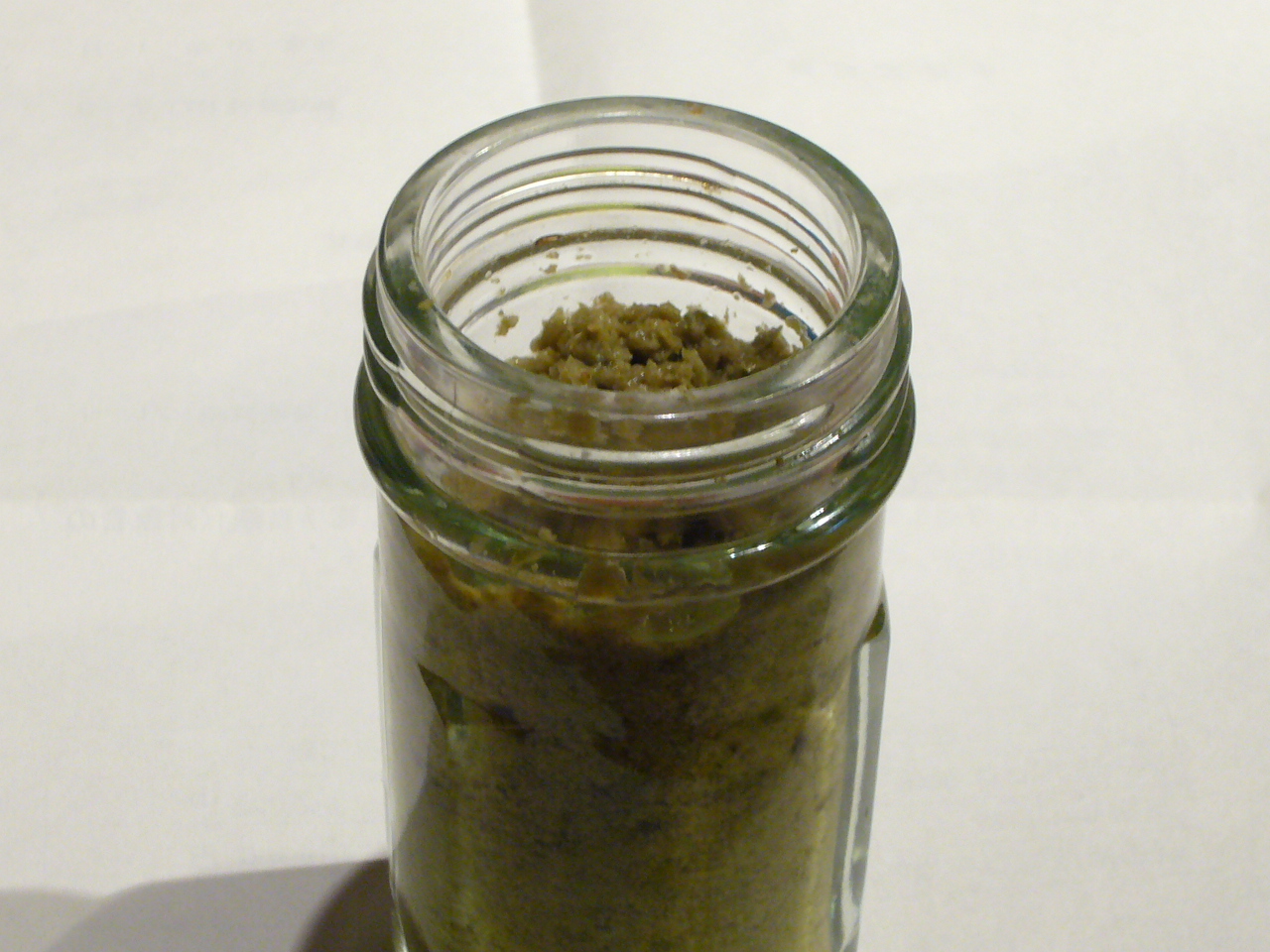
A fermented Japanese paste of chili peppers and yuzu citrus peel.Paste · Hot and fiery · Citrus and bright
🇯🇵 JapanYuzu koshō柚子胡椒
A fermented Japanese paste of chili peppers and yuzu citrus peel.Paste · Hot and fiery · Citrus and bright