
Pink peppercorn
In its own language: mulli
Schinus molle
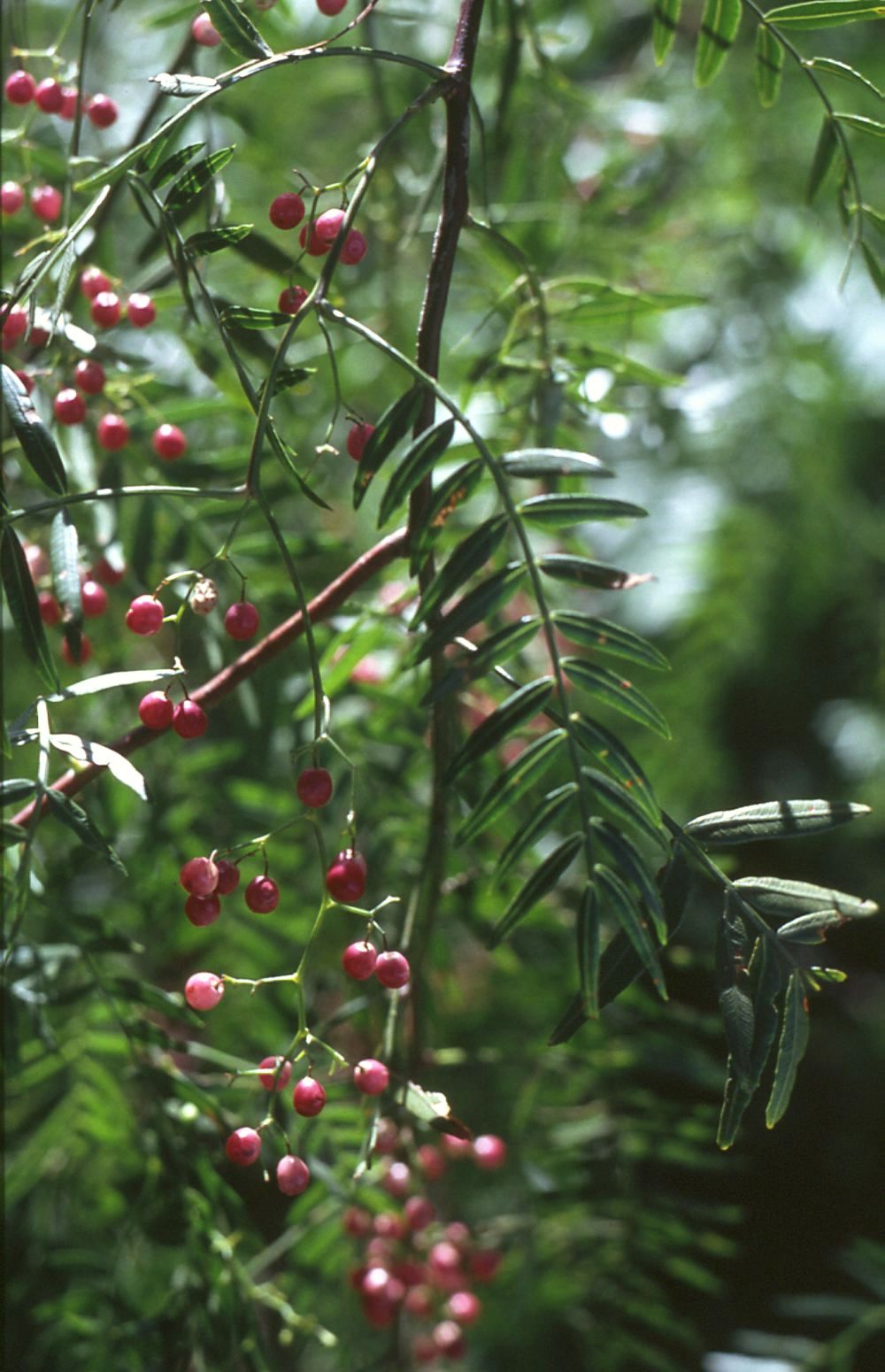
The dried pink drupes of the Schinus molle tree, sold as a peppery alternative to black pepper.
These bright pink berries come from an evergreen tree native to the Andes and southern Brazil. They are unrelated to true pepper but offer a sharp, citrusy bite often used in blends or whole.
- Not related to black pepper despite the name.
- Native to the Peruvian Andes and southern Brazil.
- Used by Incas to make fermented chicha drinks.
- Can be poisonous to poultry and young children.
- Invasive weed in Australia and South Africa.
What is Pink peppercorn?
This spice consists of small, round drupes that turn from green to vibrant shades of pink, red, or purple. They grow in dense clusters on the Schinus molle tree, an evergreen with drooping branches and pinnately compound leaves. The berries have a woody seed inside and a sweet outer skin. When crushed, the bark, leaves, and fruits release an aromatic scent. Despite being called pink peppercorns, these are not related to black pepper. They look like tiny, colorful spheres that hang in heavy bunches year-round.
Where does Pink peppercorn come from?
The plant originates in the arid zones of northern South America, specifically the Peruvian Andes and extending into southern Brazil. The name comes from the Quechua word mulli. Historically, the Wari state used the drupes to make chicha, a fermented beverage, between 600 and 1000 AD. The Incas also utilized the sweet outer part of the ripe fruit for drinks and syrups. It was later planted widely in California, where it became known as the California pepper tree due to its association with Spanish missions.
What does Pink peppercorn taste like?
The taste is pungent and warm, with distinct citrus notes. It provides a sharp bite similar to black pepper but lacks capsaicin heat. The flavor profile is complex, combining spicy elements with fruity undertones. The aromatic quality comes from the crushed parts of the tree, including the bark and leaves. This unique combination makes it suitable for blending with other spices or using alone to add a zesty kick to dishes.
How Pink peppercorn is grown and processed
Schinus molle is a hardy, drought-tolerant tree that can reach fifteen meters in height. It grows quickly and reproduces through seeds, suckers, and cuttings. Seeds have hard coats and germinate best after passing through animal guts or during spring. The tree thrives in semi-arid conditions and has become invasive in places like Australia and South Africa. It prefers open habitats and can spread rapidly along roadsides and drainage lines.
Pink peppercorn, drawn
How Pink peppercorn is used
Cooks use the dried pink berries whole or ground, often blending them with black pepper. They add a citrusy spice to meats, salads, and marinades. Extracts are sometimes used in drinks and syrups for flavoring. In traditional settings, the sweet outer part of ripe fruit was boiled down into syrup or mixed with maize for gruel. The berries must be handled carefully to avoid mixing bitter inner parts, which can cause illness.
Pink peppercorn in the world's kitchens
The spice is rooted in Andean cuisine, where indigenous groups historically used it for beverages and food. It appears in modern global markets as a decorative and flavorful alternative to black pepper. In California, it became part of the local landscape and culinary identity through mission-era planting. Its use spans from traditional South American preparations to contemporary international seasoning blends.
At a glance: where it turns up
By meal
Cuisines
Spiritual use
Celebrations


Spiritual and ceremonial use
Indigenous traditions hold significance for this plant. Fresh green leaves are used shamanically in Mesoamerican ceremonies for cleansings and blessings. The Incas used oil from the leaves in mummification practices to preserve and embalm the dead. These rituals highlight the tree's role beyond mere sustenance, connecting it to spiritual purification and ancestral rites.
Pink peppercorn at celebrations
There are no specific festivals or weddings tied directly to this spice. However, its historical use in making chicha connects it to communal gatherings and ancient celebrations. The Wari state likely consumed it during social events involving fermented drinks. Today, it remains a part of daily life rather than special occasion dining.
Traditional and medicinal use
Traditional medicine uses the plant for wounds, infections, toothaches, and rheumatism due to antibacterial properties. It has been used as a diuretic and for menstrual disorders. Recent studies suggest possible antidepressant effects. Caution is advised as the fruit can cause vomiting and diarrhea in children and animals. It lacks generally recognized as safe status in the United States. Insecticidal properties are also noted for pest control.
Buying and storing Pink peppercorn
Store dried berries in a cool, dry place to maintain their color and aroma. Keep them away from moisture to prevent mold. Whole berries last longer than ground ones. Check for any signs of insect damage or discoloration before purchase. Properly stored, they retain their peppery character for extended periods.
The trade in Pink peppercorn
The spice is traded globally as pink peppercorns. It is often blended with commercial black pepper to reduce costs. Peru remains a key origin country. The tree's invasive nature affects trade regulations in some regions. Adulteration with dyed berries occurs, so sourcing from reputable suppliers is important. Geographical indications are not currently established.
Meal
This spice fits into daily cooking and snack preparations. It is commonly found in street-food stalls and market blends. The berries are eaten as a garnish or seasoning component. Drinks and syrups flavored with extracts serve as refreshments. It is not typically associated with formal feasts or specific holiday meals, but rather everyday culinary applications where a peppery twist is desired.
Questions people ask about Pink peppercorn
What does pink peppercorn taste like?
It tastes pungent and warm with distinct citrus notes. It offers a sharp bite similar to black pepper but without capsaicin heat. The flavor is complex, combining spicy elements with fruity undertones.
Where do pink peppercorns come from?
They come from the Schinus molle tree, native to the arid zones of northern South America. This includes the Peruvian Andes and extends into southern Brazil. The name derives from the Quechua word mulli.
Is it safe to eat pink peppercorns?
Caution is needed. The fruit can cause vomiting and diarrhea in young children and is potentially poisonous to poultry and pigs. It lacks generally recognized as safe status in the United States. Traditional uses require careful preparation.
How is it different from black pepper?
They are unrelated plants. Black pepper comes from Piper nigrum, while pink peppercorns come from Schinus molle. Pink peppercorns have a citrusy flavor and lack the intense heat of black pepper. They are often blended together.
Good reading and sources
- Schinus molle on WikipediaEncyclopedia
- More photos on Wikimedia CommonsPhotos and video
- Wikidata recordOpen data
The facts on this page come from the Wikipedia article "Schinus molle", written by its contributors and used under the CC BY-SA 4.0 licence, and from its Wikidata record (CC0). EveryMasala rewrote the text in its own words, with AI assistance, and compares every page with the article to make sure no passage is copied. It may be reused under the same CC BY-SA 4.0 licence with a link back.
It may contain mistakes. Names, strengths and customs differ from one grower, kitchen or shop to the next. Traditional and medicinal uses are described as tradition, never as medical advice, and none of this is a substitute for a doctor. If something is wrong, tell us. Last refreshed 2026-10-04.
More from Peru
All the spices of Peru 🇵🇪 Peru and 5 moreChili pepperchīlli
The pungent berry of the Capsicum plant, used to add heat to dishes worldwide.Fruit · Hot and fiery · Earthy and deep
🇵🇪 Peru and 5 moreChili pepperchīlli
The pungent berry of the Capsicum plant, used to add heat to dishes worldwide.Fruit · Hot and fiery · Earthy and deep
 🇵🇪 Peru and 3 morePink peppercornbaie rose
The dried fruit of Schinus trees, offering a sweet, piney heat distinct from black pepper.Fruit · Sharp and pungent · Citrus and bright
🇵🇪 Peru and 3 morePink peppercornbaie rose
The dried fruit of Schinus trees, offering a sweet, piney heat distinct from black pepper.Fruit · Sharp and pungent · Citrus and bright
 🇵🇪 Peru and 4 moreRocoto
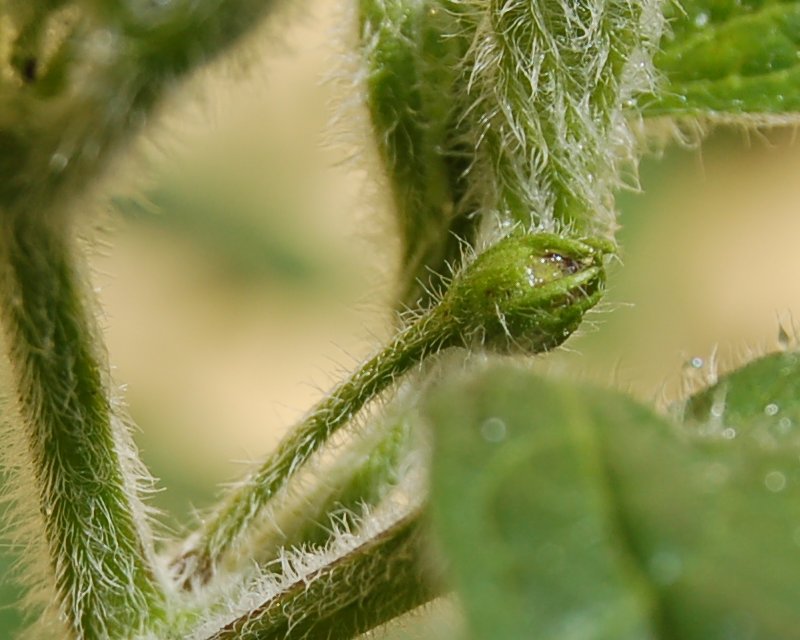
A hairy-leaved Andean pepper with black seeds and a distinct cucumber aroma.Fruit · Hot and fiery · Earthy and deep
🇵🇪 Peru and 4 moreRocoto
A hairy-leaved Andean pepper with black seeds and a distinct cucumber aroma.Fruit · Hot and fiery · Earthy and deep
 🇲🇽 Mexico and 5 moreCapsicum annuum
A flowering plant producing berries of many colors and heat levels, from sweet bell peppers to fiery chilies.Fruit · Hot and fiery · Sweet and mellow
🇲🇽 Mexico and 5 moreCapsicum annuum
A flowering plant producing berries of many colors and heat levels, from sweet bell peppers to fiery chilies.Fruit · Hot and fiery · Sweet and mellow
Its cousins elsewhere
All fruit 🇮🇳 India and 2 moreCardamom
Aromatic seeds from spindle-shaped pods used in sweet and savory dishes across Asia and the Middle East.Seed · Sharp and pungent · Warm and sweet-spiced
🇮🇳 India and 2 moreCardamom
Aromatic seeds from spindle-shaped pods used in sweet and savory dishes across Asia and the Middle East.Seed · Sharp and pungent · Warm and sweet-spiced
 🇮🇳 India and 4 moreCurry paste
A blended mixture of spices and aromatics used as the base for curries in Asia.Warm and sweet-spiced · Earthy and deep
🇮🇳 India and 4 moreCurry paste
A blended mixture of spices and aromatics used as the base for curries in Asia.Warm and sweet-spiced · Earthy and deep
 🇮🇩 Indonesia and 5 moreGreater galangalข่า
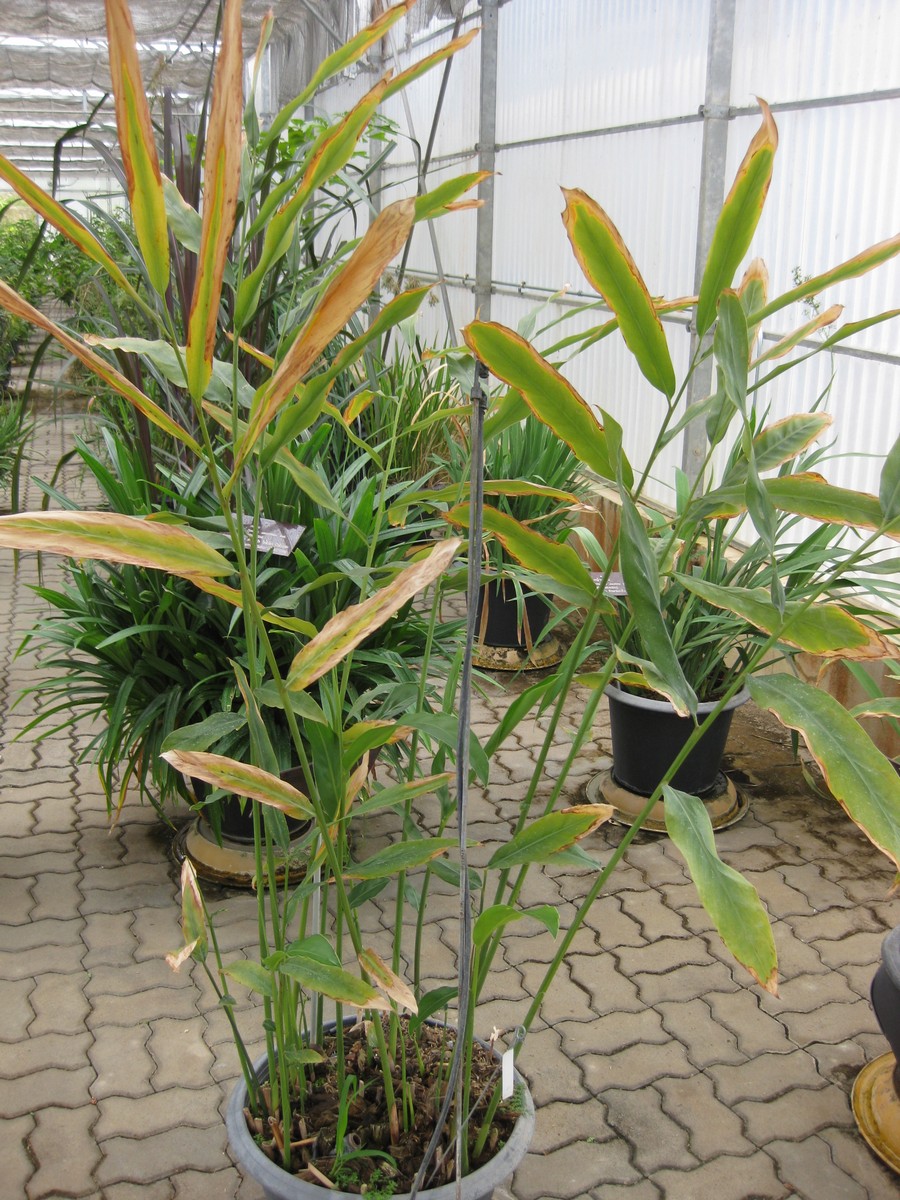
The pungent rhizome of a ginger relative, essential in Southeast Asian soups and curries.Root · Sharp and pungent · Citrus and bright
🇮🇩 Indonesia and 3 moreGalangal
The pungent rhizome of the ginger family, essential to Southeast Asian soups and pastes.Root · Sharp and pungent · Warm and sweet-spiced
🇮🇩 Indonesia and 5 moreGreater galangalข่า
The pungent rhizome of a ginger relative, essential in Southeast Asian soups and curries.Root · Sharp and pungent · Citrus and bright
🇮🇩 Indonesia and 3 moreGalangal
The pungent rhizome of the ginger family, essential to Southeast Asian soups and pastes.Root · Sharp and pungent · Warm and sweet-spiced