
Capsicum baccatum
In its own language: ají
Capsicum baccatum
A domesticated Andean chili with fruit that hangs down, known for its bright orange skin and warm heat.
This perennial shrub produces hanging pods used across the Andes. It offers a warm, fruity heat ranging from mild to hot, often described as having citrus notes.
- Fruits hang downward in domesticated varieties.
- Mature pods turn bright orange when ripe.
- Used in Peru's condiment trinity with onion and coriander.
- Heat ranges from mild to 50,000 Scoville units.
- Word ají dates back to 4600 BCE.
What is Capsicum baccatum?
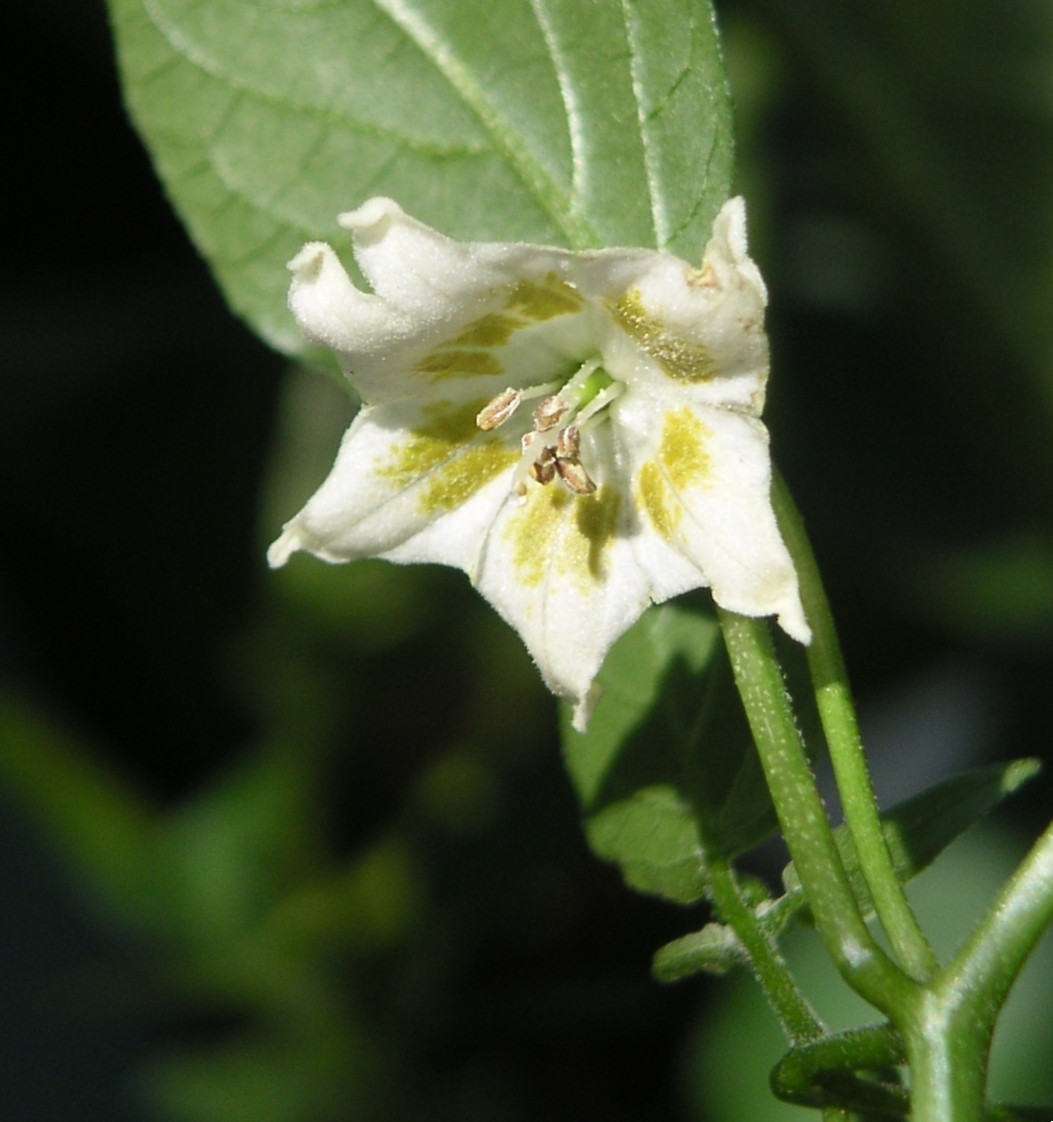
This plant is a perennial shrub belonging to the Capsicum genus. It stands out among domesticated chilies because its fruits hang downward rather than pointing up. The pods vary greatly in shape, unlike other species that keep a standard form. When ripe, mature pods turn a bright orange color, though they appear green while growing. The flowers are cream or white with a gold or green center. These blooms can be pollinated by insects, wind, or themselves. The name comes from Greek words meaning pepper and berry-like. In Spanish-speaking regions, people simply call it ají.
Where does Capsicum baccatum come from?
The species originated in ancient Peru and spread throughout the Andean region of South America. Evidence suggests the word ají has been spoken since around 4600 BCE, starting in the Otomanguean protolanguage. As the fruit moved from Central and South America to other growing areas, the name traveled with it. Spanish conquistadors later applied the term pepper to these plants because the heat sensation reminded them of black pepper. The binomial name reflects this history, combining terms for pepper and berry.
What does Capsicum baccatum taste like?
Heat levels differ widely depending on the specific cultivar. Some varieties are nearly heatless, while others register between 30,000 and 50,000 Scoville units. The flavor profile is often described as fruity with distinct citrus undertones. Ají amarillo provides a warm, sweet heat that complements savory dishes well. The taste is not just about spice; it adds a complex layer of brightness to meals. This balance makes it suitable for both fresh applications and cooked reductions.
How Capsicum baccatum is grown and processed
Farmers cultivate this shrub in the Andes and surrounding countries. The domesticated variety, C. baccatum var. pendulum, keeps its fruit attached firmly until harvest. Wild forms drop their ripe pods naturally. The plants produce flowers that require pollination to set fruit. Farmers grow some varieties as ornamental plants for export markets. Others focus on culinary production. The fruits are harvested when they reach full size and color. Processing methods vary by region, with some preferring fresh pods and others drying them for grinding.
Capsicum baccatum, drawn
How Capsicum baccatum is used
In Peru, the chili is a core ingredient alongside red onion and coriander. Cooks use it fresh in stews like ají de gallina and sauces such as Papa a la Huancaína. Bolivian chefs often dry and grind the pods for use in fricasé. Ecuadorian tables serve it fresh in bowls as an optional condiment with lemon juice. Colombian recipes also feature ají sauce frequently. Brazilian cooks use the dedo-de-moça variety in regional dishes. The peppers work well in marinades, salsas, and blended pastes.
Capsicum baccatum in the world's kitchens
Peruvian cuisine relies heavily on ají amarillo for its signature sauces. Bolivian cooking uses dried versions to add depth to meat dishes. Ecuadorian meals treat it as a fresh table condiment. Colombian kitchens blend it into liquid sauces. Brazilian cuisine incorporates specific cultivars in southern and southeastern regional foods. Each country adapts the pepper differently based on local traditions. The shared heritage links these nations through this single botanical family.
At a glance: where it turns up


Spiritual and ceremonial use
The Moche culture depicted these peppers in their artwork. They represented fruits and vegetables together in artistic compositions. This suggests the plant held cultural significance beyond mere sustenance. There are no recorded religious rituals involving this specific chili today. Modern usage remains strictly culinary. The historical art indicates respect for the crop in ancient societies.
Capsicum baccatum at celebrations
No specific festivals or holidays are tied to this chili. It functions as a staple ingredient rather than a ceremonial object. Daily cooking practices incorporate it regularly. Families prepare meals using it without special occasion requirements. The pepper supports everyday gastronomy rather than marking unique calendar events.
Traditional and medicinal use
Traditional medicine does not prominently feature this chili in historical records provided. Its primary value lies in culinary application. Cooks rely on it for flavor enhancement. No safety warnings or medicinal doses are associated with its use. The focus remains entirely on taste and heat contribution to food.
Buying and storing Capsicum baccatum
Fresh pods should be kept cool to maintain texture. Dried versions last longer when stored in airtight containers away from light. Ground powder loses potency over time if exposed to air. Proper storage preserves the citrus notes and heat levels. Consumers should check for soft spots or mold when buying fresh fruit.
What to use instead of Capsicum baccatum
Other Capsicum species can replace this chili in a pinch. Jalapeños offer similar heat but lack the fruity citrus tone. Poblano peppers provide milder heat with earthy flavors. For authentic results, finding a close relative like ají limón works best. Substitutes will change the dish's character slightly.
The trade in Capsicum baccatum
The pepper has moved from ancient Andean farms to global markets. McCormick & Company named one variety Flavor of the Year recently. This recognition predicts increased menu appearances worldwide. Export farmers grow ornamental types for international sale. The trade routes follow historical paths from South America outward. Adulteration is less common with fresh imports compared to ground spices.
Meal
This chili appears primarily in lunch and dinner settings. It forms the base of hearty stews served during main meals. Condiment bowls containing the fresh pepper accompany daily dining in Ecuador. Street food vendors may include it in fast-paced local eats. Desserts rarely feature this ingredient due to its heat. Breakfast menus typically do not include it, as the flavor profile suits savory midday and evening cooking better.
Questions people ask about Capsicum baccatum
Where does Capsicum baccatum come from?
It originates in ancient Peru and spreads across the Andean region of South America. The name ají has been used since 4600 BCE in the Otomanguean language before moving with the fruit to other areas.
How hot is this chili pepper?
Heat varies by cultivar. Some are nearly heatless, while popular types like ají amarillo reach 30,000 to 50,000 Scoville units. This places it in the medium-hot range, offering warmth without overwhelming pain.
What does it taste like?
It tastes fruity with distinct citrus notes. The heat is warm and sweet rather than sharp. The flavor complements savory dishes well, adding brightness and depth to stews and sauces.
How is it used in cooking?
Peruvians use it fresh in stews and sauces. Bolivians dry and grind it for meat dishes. Ecuadorians serve it fresh as a condiment. Brazilians use specific cultivars in regional recipes. It pairs with onions and coriander.
Good reading and sources
- Capsicum baccatum on WikipediaEncyclopedia
- More photos on Wikimedia CommonsPhotos and video
- Wikidata recordOpen data
The facts on this page come from the Wikipedia article "Capsicum baccatum", written by its contributors and used under the CC BY-SA 4.0 licence, and from its Wikidata record (CC0). EveryMasala rewrote the text in its own words, with AI assistance, and compares every page with the article to make sure no passage is copied. It may be reused under the same CC BY-SA 4.0 licence with a link back.
It may contain mistakes. Names, strengths and customs differ from one grower, kitchen or shop to the next. Traditional and medicinal uses are described as tradition, never as medical advice, and none of this is a substitute for a doctor. If something is wrong, tell us. Last refreshed 2026-10-04.
More from Peru
All the spices of Peru 🇵🇪 Peru and 5 moreChili pepperchīlli
The pungent berry of the Capsicum plant, used to add heat to dishes worldwide.Fruit · Hot and fiery · Earthy and deep
🇵🇪 Peru and 1 moreMuña
An Andean aromatic herb brewed into tea across Peru and BoliviaLeaf · Herbal and green
🇵🇪 Peru and 5 moreChili pepperchīlli
The pungent berry of the Capsicum plant, used to add heat to dishes worldwide.Fruit · Hot and fiery · Earthy and deep
🇵🇪 Peru and 1 moreMuña
An Andean aromatic herb brewed into tea across Peru and BoliviaLeaf · Herbal and green
 🇲🇽 Mexico and 5 moreJalapeño
A medium-sized Capsicum annuum cultivar from Mexico known for its green pods and moderate heat.Chilli · Hot and fiery · Earthy and deep
🇲🇽 Mexico and 5 moreJalapeño
A medium-sized Capsicum annuum cultivar from Mexico known for its green pods and moderate heat.Chilli · Hot and fiery · Earthy and deep
 🇵🇪 Peru and 3 morePink peppercornbaie rose
The dried fruit of Schinus trees, offering a sweet, piney heat distinct from black pepper.Fruit · Sharp and pungent · Citrus and bright
🇵🇪 Peru and 3 morePink peppercornbaie rose
The dried fruit of Schinus trees, offering a sweet, piney heat distinct from black pepper.Fruit · Sharp and pungent · Citrus and bright
Its cousins elsewhere
 🇺🇸 United StatesCarolina Reaper
A gnarled red cultivar of Capsicum chinense bred in South Carolina for extreme heat.Chilli · Hot and fiery · Sweet and mellow
🇺🇸 United StatesCarolina Reaper
A gnarled red cultivar of Capsicum chinense bred in South Carolina for extreme heat.Chilli · Hot and fiery · Sweet and mellow
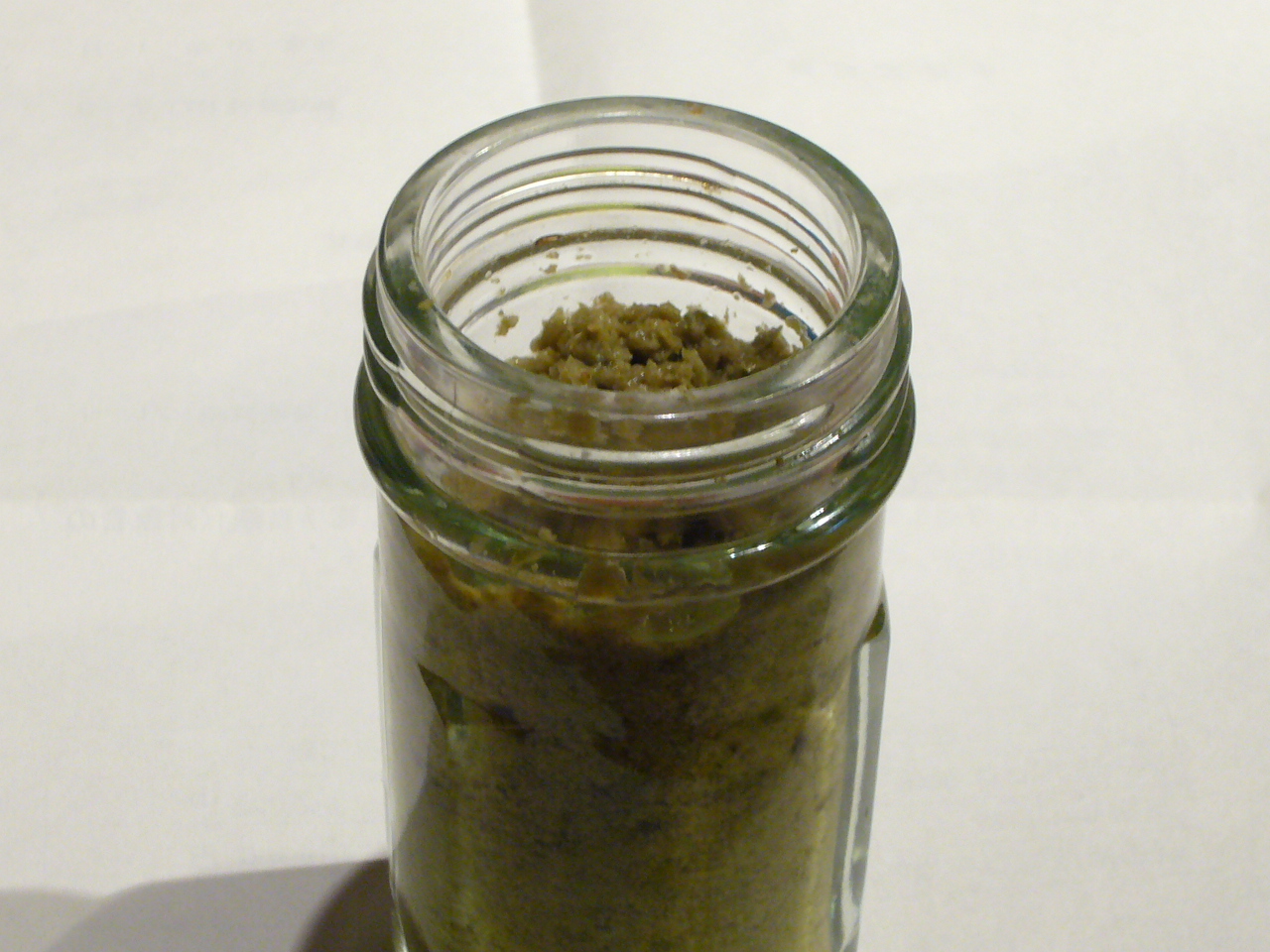 🇯🇵 JapanYuzu koshō柚子胡椒
A fermented Japanese paste of chili peppers and yuzu citrus peel.Paste · Hot and fiery · Citrus and bright
🇯🇵 JapanYuzu koshō柚子胡椒
A fermented Japanese paste of chili peppers and yuzu citrus peel.Paste · Hot and fiery · Citrus and bright
 🇨🇳 ChinaYongfeng chili sauce永丰辣酱
A fermented paste of peppers, rice and wheat from Hunan province, one of the region's three treasures.Paste · Hot and fiery · Sweet and mellow
🇨🇳 ChinaYongfeng chili sauce永丰辣酱
A fermented paste of peppers, rice and wheat from Hunan province, one of the region's three treasures.Paste · Hot and fiery · Sweet and mellow
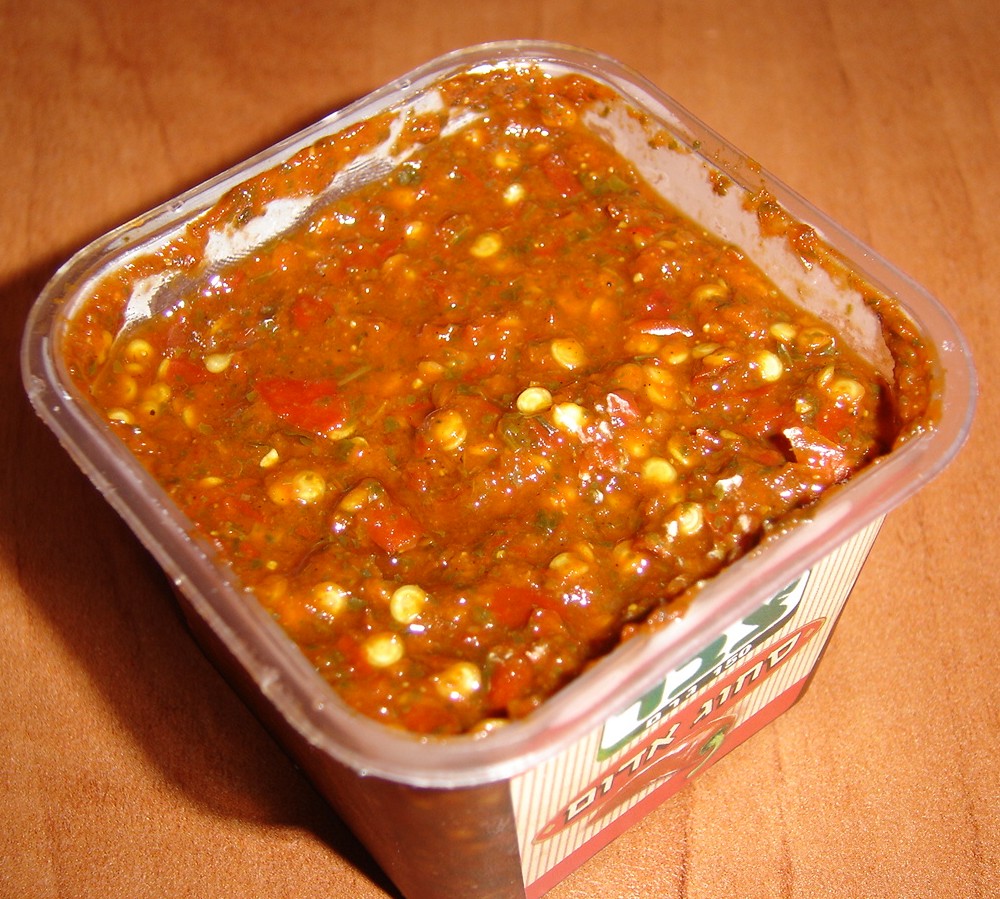 🇾🇪 Yemen and 1 moreZhugسحوق
A Yemeni hot sauce of crushed chilies, garlic, and corianderHot and fiery · Sharp and pungent
🇾🇪 Yemen and 1 moreZhugسحوق
A Yemeni hot sauce of crushed chilies, garlic, and corianderHot and fiery · Sharp and pungent