
Peperoncino
Capsicum annuum
A hot Italian chili pepper used in southern cuisine, dried and crushed for heat.
Peperoncino is the Italian term for small hot chili peppers from species like Capsicum annuum. It ripens to red and provides a moderate, sharp heat that defines dishes in Calabria and beyond.
- Peperoncino means small pepper in Italian.
- Heat ranges from 15,000 to 30,000 Scoville units.
- Dried peppers hang from buildings in Calabria.
- First described scientifically in 1568.
- Annual festival held in Diamante since 1992.
What is Peperoncino?
Peperoncino refers to specific regional cultivars of hot chili peppers native to Italy. The plants belong to species such as Capsicum annuum and Capsicum frutescens. The name uses a diminutive suffix to indicate size, distinguishing it from the larger sweet bell pepper known as peperone. Young fruits appear green or yellowish-green before maturing into a vibrant red colour. The dried pods are commonly crushed into flakes or ground into powder to season food.
Where does Peperoncino come from?
The plant likely arrived in southern Italy during the fifteenth century under Spanish rule. It traveled from the Americas alongside other crops like the tomato. Initially viewed as an ornamental or potentially toxic plant, it eventually became a staple for lower-class households due to its affordability. Pietro Andrea Mattioli first documented the variety in 1568, noting its intense heat compared to Asian peppers. The earliest recorded recipe using the ingredient dates to 1694.
What does Peperoncino taste like?
The flavour profile prioritizes distinct taste over extreme burning sensation. Heat levels vary significantly between different cultivars, though Calabrian varieties typically range between fifteen thousand and thirty thousand Scoville units. This level provides a sharp, pungent kick without overwhelming the palate. Cooks use the pepper to add depth and warmth to sauces and oils rather than just pure spice.
How Peperoncino is grown and processed
Farmers harvest the peppers in late summer when they reach full maturity. Traditional preservation involves stitching the pods onto wires and hanging them from buildings. This method utilizes natural sunlight and air circulation to dry the chilies thoroughly. The drying process allows the peppers to be stored for long periods until the next harvest cycle begins. They can then be fried whole, pickled, or processed into pastes.
Peperoncino, drawn
How Peperoncino is used
The pepper is essential in Calabrian cooking, appearing in condiments like bomba calabrese and spicy pork sausage called 'nduja. It is also key to chili oil and various relishes. In Roman cuisine, it seasons pasta dishes such as arrabbiata sauce. Apulian recipes use it with orecchiette pasta and broccoli rabe. The dried flakes are frequently sprinkled over pizza and other prepared foods to add immediate heat.
Peperoncino in the world's kitchens
Southern Italian cuisines rely heavily on this ingredient, particularly in Calabria where it is a cultural cornerstone. Roman cooking incorporates it for classic spicy pasta sauces. Apulian traditions pair it with bitter greens and ear-shaped pasta. While North American markets sometimes substitute cayenne or jalapeño for Italian-style crushed red pepper, specialty stores continue to import authentic peperoncino flakes for traditional recipes.
At a glance: where it turns up


Spiritual and ceremonial use
There are no specific religious rituals or dietary laws associated with the peperoncino in the provided sources. It functions strictly as a culinary ingredient within secular Italian traditions.
Peperoncino at celebrations
The town of Diamante hosts an annual Peperoncino Festival starting in September. Organized by the Accademia Italiana del Peperoncino, the event draws large crowds to the seaside promenade. The four-day celebration includes a market selling local chili products and features a competitive eating contest focused on the peppers.
Traditional and medicinal use
Historical texts describe the pepper as a practical food source for working classes before it gained wider acceptance. Early medical observers noted its potency relative to other global peppers. No medicinal applications or safety warnings are detailed in the available information.
Buying and storing Peperoncino
Hanging dried peppers in ventilated areas preserves them effectively for future use. This traditional method protects the spice from moisture and spoilage. Consumers should look for vibrant red colour and intact pods when purchasing dried specimens.
What to use instead of Peperoncino
In regions outside Italy, cooks often use cayenne pepper or jalapeño flakes as alternatives. These substitutes mimic the heat and texture of crushed peperoncino but lack the specific regional flavour profile. Specialty markets may offer imported Italian flakes for those seeking authenticity.
The trade in Peperoncino
The pepper has moved from local southern Italian consumption to international export markets. Calabrian chili oil is a notable commercial product sold globally. The festival in Diamante supports local trade by showcasing regional food products derived from the crop.
Meal
Peperoncino features prominently in dinner preparations across southern Italy. It serves as a primary seasoning for main courses involving pasta and meat. Street vendors and local markets often sell products made from the dried chilies as quick snacks or accompaniments. The spicy oil and crushed flakes act as finishing touches for everyday meals.
Questions people ask about Peperoncino
What does peperoncino mean?
It is the Italian word for a small hot chili pepper. The suffix indicates size, distinguishing it from the larger sweet bell pepper called peperone.
Where does peperoncino come from?
It originated in the Americas and arrived in southern Italy around the fifteenth century. It is now deeply rooted in Italian agricultural tradition.
How hot is peperoncino?
Calabrian varieties typically measure between fifteen thousand and thirty thousand Scoville units. This provides a noticeable but manageable heat level.
How is it used in cooking?
It is dried, crushed into flakes, or made into oil and paste. It seasons pasta sauces, meats, and street food throughout southern Italy.
Is there a festival for it?
Yes, the Peperoncino Festival takes place annually in Diamante, Calabria. It celebrates the pepper with markets and eating contests.
Good reading and sources
- Peperoncino on WikipediaEncyclopedia
- More photos on Wikimedia CommonsPhotos and video
- Wikidata recordOpen data
The facts on this page come from the Wikipedia article "Peperoncino", written by its contributors and used under the CC BY-SA 4.0 licence, and from its Wikidata record (CC0). EveryMasala rewrote the text in its own words, with AI assistance, and compares every page with the article to make sure no passage is copied. It may be reused under the same CC BY-SA 4.0 licence with a link back.
It may contain mistakes. Names, strengths and customs differ from one grower, kitchen or shop to the next. Traditional and medicinal uses are described as tradition, never as medical advice, and none of this is a substitute for a doctor. If something is wrong, tell us. Last refreshed 2026-10-04.
More from Italy
All the spices of Italy 🇵🇸 Palestine and 4 moreGreek sage
A hairy Mediterranean shrub with pink flowers and edible fruit galls.Leaf · Herbal and green · Sweet and mellow
🇵🇸 Palestine and 4 moreGreek sage
A hairy Mediterranean shrub with pink flowers and edible fruit galls.Leaf · Herbal and green · Sweet and mellow
 🇪🇸 Spain and 4 moreCaper
The pickled flower buds of a drought-tolerant Mediterranean shrub.Flower · Sharp and pungent · Sour and tart
🇪🇸 Spain and 4 moreCaper
The pickled flower buds of a drought-tolerant Mediterranean shrub.Flower · Sharp and pungent · Sour and tart
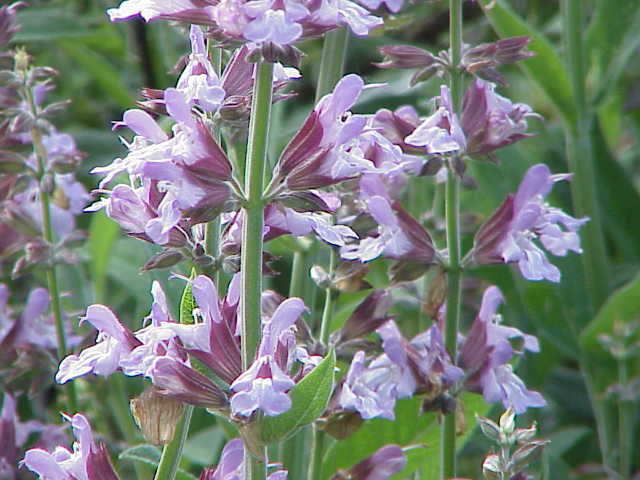 🇮🇹 Italy and 2 moreCommon sage
The gray-green leaves of a Mediterranean perennial used in European roasts and traditional remedies.Leaf · Herbal and green
🇮🇹 Italy and 2 moreCommon sage
The gray-green leaves of a Mediterranean perennial used in European roasts and traditional remedies.Leaf · Herbal and green
 🇬🇷 Greece and 4 moreParsley
A bright green herb from the celery family, used fresh across Europe and the Middle East.Leaf · Bitter · Herbal and green
🇬🇷 Greece and 4 moreParsley
A bright green herb from the celery family, used fresh across Europe and the Middle East.Leaf · Bitter · Herbal and green
Its cousins elsewhere
All chilli 🇬🇧 United Kingdom and 4 moreRock samphire
A coastal succulent with peppery leaves and carrot-scented roots, used fresh or pickled.Leaf · Hot and fiery · Sharp and pungent
🇬🇧 United Kingdom and 4 moreRock samphire
A coastal succulent with peppery leaves and carrot-scented roots, used fresh or pickled.Leaf · Hot and fiery · Sharp and pungent
 🇧🇷 Brazil and 5 moreMalagueta peppermalagueta
A small, fiery chili from Capsicum frutescens used across Portuguese-speaking regions.Chilli · Hot and fiery · Sharp and pungent
🇧🇷 Brazil and 5 moreMalagueta peppermalagueta
A small, fiery chili from Capsicum frutescens used across Portuguese-speaking regions.Chilli · Hot and fiery · Sharp and pungent
 🇯🇵 JapanKarashiからし
A potent Japanese mustard made from brown mustard seeds, served as a sharp condiment.Seed · Hot and fiery · Sharp and pungent
🇯🇵 JapanKarashiからし
A potent Japanese mustard made from brown mustard seeds, served as a sharp condiment.Seed · Hot and fiery · Sharp and pungent
 🇳🇬 NigeriaYaji
A spicy rub from Nigeria made with chili, ginger, and ground peanuts.Blend · Hot and fiery · Earthy and deep
🇳🇬 NigeriaYaji
A spicy rub from Nigeria made with chili, ginger, and ground peanuts.Blend · Hot and fiery · Earthy and deep